{"title":"A novel variant in the PDE4D gene is the cause of Acrodysostosis type 2 in a Lithuanian patient: a case report.","authors":"Gunda Petraitytė, Kamilė Šiaurytė, Violeta Mikštienė, Loreta Cimbalistienė, Dovilė Kriaučiūnienė, Aušra Matulevičienė, Algirdas Utkus, Eglė Preikšaitienė","doi":"10.1186/s12902-021-00741-6","DOIUrl":null,"url":null,"abstract":"<p><strong>Background: </strong>Acrodysostosis is a rare hereditary disorder described as a primary bone dysplasia with or without hormonal resistance. Pathogenic variants in the PRKAR1A and PDE4D genes are known genetic causes of this condition. The latter gene variants are more frequently identified in patients with midfacial and nasal hypoplasia and neurological involvement. The aim of our study was to analyse and confirm a genetic cause of acrodysostosis in a male patient.</p><p><strong>Case presentation: </strong>We report on a 29-year-old Lithuanian man diagnosed with acrodysostosis type 2. The characteristic phenotype includes specific skeletal abnormalities, facial dysostosis, mild intellectual disability and metabolic syndrome. Using patient's DNA extracted from peripheral blood sample, the novel, likely pathogenic, heterozygous de novo variant NM_001104631.2:c.581G > C was identified in the gene PDE4D via Sanger sequencing. This variant causes amino acid change (NP_001098101.1:p.(Arg194Pro)) in the functionally relevant upstream conserved region 1 domain of PDE4D.</p><p><strong>Conclusions: </strong>This report further expands the knowledge of the consequences of missense variants in PDE4D that affect the upstream conserved region 1 regulatory domain and indicates that pathogenic variants of the gene PDE4D play an important role in the pathogenesis mechanism of acrodysostosis type 2 without significant hormonal resistance.</p>","PeriodicalId":9152,"journal":{"name":"BMC Endocrine Disorders","volume":" ","pages":"71"},"PeriodicalIF":3.3000,"publicationDate":"2021-04-15","publicationTypes":"Journal Article","fieldsOfStudy":null,"isOpenAccess":false,"openAccessPdf":"https://sci-hub-pdf.com/10.1186/s12902-021-00741-6","citationCount":"0","resultStr":null,"platform":"Semanticscholar","paperid":null,"PeriodicalName":"BMC Endocrine Disorders","FirstCategoryId":"3","ListUrlMain":"https://doi.org/10.1186/s12902-021-00741-6","RegionNum":3,"RegionCategory":"医学","ArticlePicture":[],"TitleCN":null,"AbstractTextCN":null,"PMCID":null,"EPubDate":"","PubModel":"","JCR":"Q3","JCRName":"ENDOCRINOLOGY & METABOLISM","Score":null,"Total":0}
引用次数: 0
Abstract
Background: Acrodysostosis is a rare hereditary disorder described as a primary bone dysplasia with or without hormonal resistance. Pathogenic variants in the PRKAR1A and PDE4D genes are known genetic causes of this condition. The latter gene variants are more frequently identified in patients with midfacial and nasal hypoplasia and neurological involvement. The aim of our study was to analyse and confirm a genetic cause of acrodysostosis in a male patient.
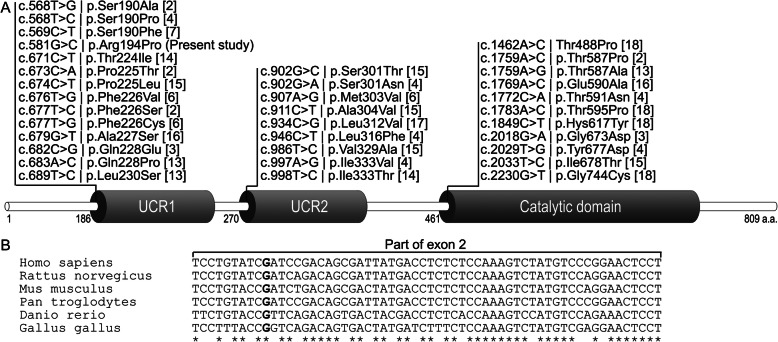
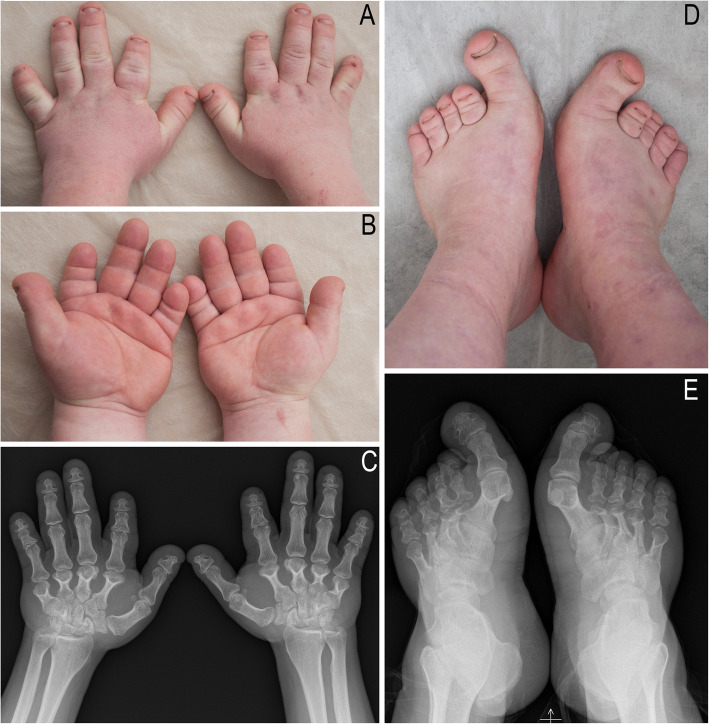
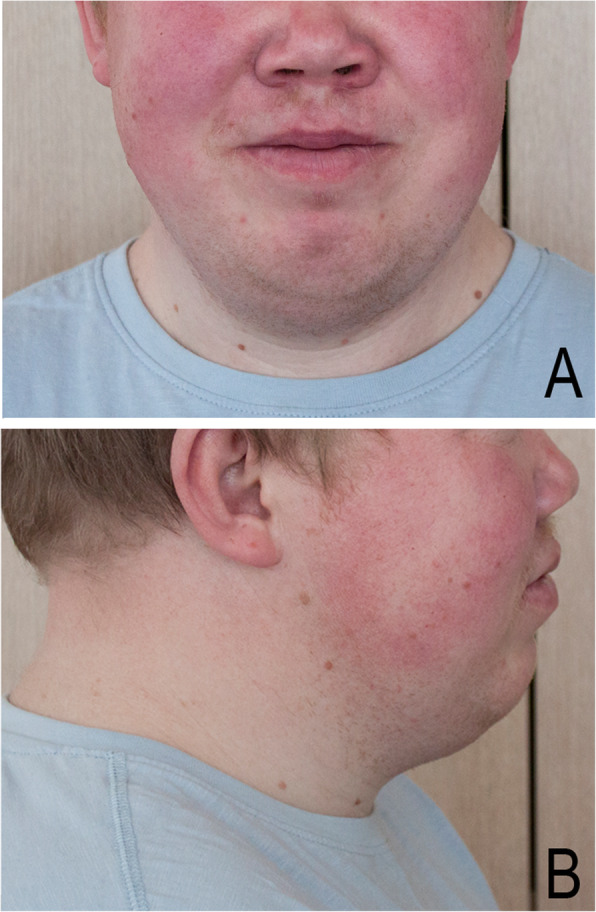
Case presentation: We report on a 29-year-old Lithuanian man diagnosed with acrodysostosis type 2. The characteristic phenotype includes specific skeletal abnormalities, facial dysostosis, mild intellectual disability and metabolic syndrome. Using patient's DNA extracted from peripheral blood sample, the novel, likely pathogenic, heterozygous de novo variant NM_001104631.2:c.581G > C was identified in the gene PDE4D via Sanger sequencing. This variant causes amino acid change (NP_001098101.1:p.(Arg194Pro)) in the functionally relevant upstream conserved region 1 domain of PDE4D.
Conclusions: This report further expands the knowledge of the consequences of missense variants in PDE4D that affect the upstream conserved region 1 regulatory domain and indicates that pathogenic variants of the gene PDE4D play an important role in the pathogenesis mechanism of acrodysostosis type 2 without significant hormonal resistance.
期刊介绍:
BMC Endocrine Disorders is an open access, peer-reviewed journal that considers articles on all aspects of the prevention, diagnosis and management of endocrine disorders, as well as related molecular genetics, pathophysiology, and epidemiology.



 京公网安备 11010802042870号
京ICP备2023020795号-1
京公网安备 11010802042870号
京ICP备2023020795号-1

 分享
分享
 求助内容:
求助内容: 应助结果提醒方式:
 扫码关注我们
