Ling-Chun Huang, Sun-Wung Hsieh, Chia-Chan Tsai, Chun-Hung Chen, Yuan-Han Yang
{"title":"The Role of Cilostazol and Inflammation in Cognitive Impairment After Ischemic Stroke.","authors":"Ling-Chun Huang, Sun-Wung Hsieh, Chia-Chan Tsai, Chun-Hung Chen, Yuan-Han Yang","doi":"10.1177/15333175211016185","DOIUrl":null,"url":null,"abstract":"<p><strong>Purpose: </strong>The aim of this study is to examine the potential effect of cilostazol and inflammation on cognitive impairment after stroke in an Asian population.</p><p><strong>Methods: </strong>Forty-five patients with cognitive impairment after ischemic stroke using cilostazol were enrolled as the study group and 45 patients using aspirin or clopidogrel were enrolled as the control group. Neuropsychiatric assessments were administered at the start of the study and after 6 months. Multiple logistic regression analysis was used to estimate the association between the cognitive change and cilostazol use. Macrophage polarization were assessed using flow cytometry in 7 patients.</p><p><strong>Results: </strong>There were a significantly higher number of patients with peripheral arterial occlusive disease in the cilostazol group. No significant differences were observed in the cognitive change between the cilostazol and control groups. M1 macrophage subset increment were observed in the patient having a declined cognitive change.</p><p><strong>Conclusion: </strong>Cilostazol did not make a significant difference in cognitive change after ischemic stroke. M1 macrophage subset increment may indicate post stroke cognitive decline. Due to limited number of subjects, these findings should be examined further in large-scale randomized clinical trials.</p>","PeriodicalId":2,"journal":{"name":"ACS Applied Bio Materials","volume":" ","pages":"15333175211016185"},"PeriodicalIF":4.7000,"publicationDate":"2021-01-01","publicationTypes":"Journal Article","fieldsOfStudy":null,"isOpenAccess":false,"openAccessPdf":"https://www.ncbi.nlm.nih.gov/pmc/articles/PMC10624089/pdf/","citationCount":"0","resultStr":null,"platform":"Semanticscholar","paperid":null,"PeriodicalName":"ACS Applied Bio Materials","FirstCategoryId":"3","ListUrlMain":"https://doi.org/10.1177/15333175211016185","RegionNum":0,"RegionCategory":null,"ArticlePicture":[],"TitleCN":null,"AbstractTextCN":null,"PMCID":null,"EPubDate":"","PubModel":"","JCR":"Q2","JCRName":"MATERIALS SCIENCE, BIOMATERIALS","Score":null,"Total":0}
引用次数: 0
Abstract
Purpose: The aim of this study is to examine the potential effect of cilostazol and inflammation on cognitive impairment after stroke in an Asian population.
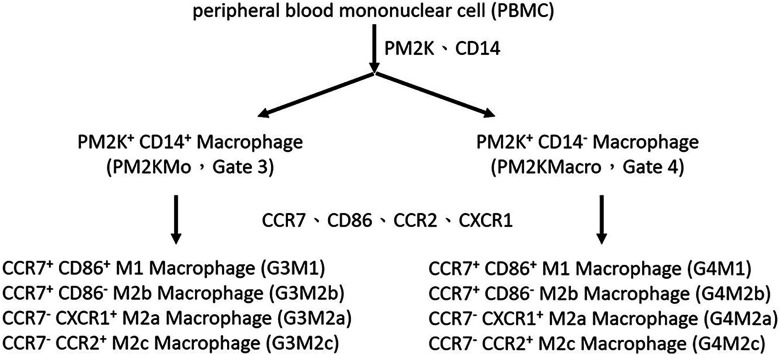
Methods: Forty-five patients with cognitive impairment after ischemic stroke using cilostazol were enrolled as the study group and 45 patients using aspirin or clopidogrel were enrolled as the control group. Neuropsychiatric assessments were administered at the start of the study and after 6 months. Multiple logistic regression analysis was used to estimate the association between the cognitive change and cilostazol use. Macrophage polarization were assessed using flow cytometry in 7 patients.
Results: There were a significantly higher number of patients with peripheral arterial occlusive disease in the cilostazol group. No significant differences were observed in the cognitive change between the cilostazol and control groups. M1 macrophage subset increment were observed in the patient having a declined cognitive change.
Conclusion: Cilostazol did not make a significant difference in cognitive change after ischemic stroke. M1 macrophage subset increment may indicate post stroke cognitive decline. Due to limited number of subjects, these findings should be examined further in large-scale randomized clinical trials.
期刊介绍:
ACS Applied Bio Materials is an interdisciplinary journal publishing original research covering all aspects of biomaterials and biointerfaces including and beyond the traditional biosensing, biomedical and therapeutic applications.
The journal is devoted to reports of new and original experimental and theoretical research of an applied nature that integrates knowledge in the areas of materials, engineering, physics, bioscience, and chemistry into important bio applications. The journal is specifically interested in work that addresses the relationship between structure and function and assesses the stability and degradation of materials under relevant environmental and biological conditions.






 京公网安备 11010802042870号
京ICP备2023020795号-1
京公网安备 11010802042870号
京ICP备2023020795号-1

 分享
分享
 求助内容:
求助内容: 应助结果提醒方式:
 扫码关注我们
