Patient satisfaction with calcipotriol/betamethasone dipropionate cutaneous foam for the treatment of plaque psoriasis: The LION real-life multicenter prospective observational cohort study
Anna Campanati, Laura Atzori, Concetta Potenza, Giovanni Damiani, Luca Bianchi, Monica Corazza, Rossana Tiberio, Francesca Prignano, Giuseppe Argenziano, Maria Concetta Fargnoli, Luca Stingeni, Annamaria Mazzotta, Ornella De Pità, Carlo Mazzatenta, Claudio Feliciani, Massimo Donini, Annamaria Offidani, Ketty Peris, LION study group
{"title":"Patient satisfaction with calcipotriol/betamethasone dipropionate cutaneous foam for the treatment of plaque psoriasis: The LION real-life multicenter prospective observational cohort study","authors":"Anna Campanati, Laura Atzori, Concetta Potenza, Giovanni Damiani, Luca Bianchi, Monica Corazza, Rossana Tiberio, Francesca Prignano, Giuseppe Argenziano, Maria Concetta Fargnoli, Luca Stingeni, Annamaria Mazzotta, Ornella De Pità, Carlo Mazzatenta, Claudio Feliciani, Massimo Donini, Annamaria Offidani, Ketty Peris, LION study group","doi":"10.1111/dth.15077","DOIUrl":null,"url":null,"abstract":"<p>Topical treatment is the mainstay for mild or moderate psoriasis, but patients are generally little satisfied. Calcipotriol/betamethasone dipropionate (Cal/BD) cutaneous foam has shown to improve signs and symptoms in plaque psoriasis patients. This study assessed patient's satisfaction with Cal/BD foam in a real-life Italian dermatological clinical practice. A multicenter, 4-week observational prospective cohort study enrolled, in 17 Italian dermatology clinics, adult patients with plaque psoriasis on the body and/or scalp. Treatment satisfaction was assessed by 9-item Treatment Satisfaction Questionnaire for Medication (TSQM-9), preference over previous treatments by Patient Preference Questionnaire (PPQ), and change in disease state by Psoriasis Area Severity Index (PASI). Overall 256 patients were eligible, with a mean (SD) age of 55.6 (15.4) years, 59.4% were males. Psoriasis severity was mild in 52.0% of patients, moderate in 43.3%, and severe in 4.7%. Scalp involvement was present in 36.7% of patients. Previous antipsoriatic treatments had been received by 80.5% of patients. TSQM-9 median (25th–75th percentile) scores were 83.3 (66.7–88.9) for effectiveness, 77.8 (66.7–88.9) for convenience, and 78.6 (64.3–92.9) for global satisfaction. Mean (SD) PASI value decreased from 7.3 (4.8) to 2.1 (2.7) after 4 weeks. More than 90% of patients previously treated for psoriasis evaluated the Cal/BD foam more effective, easier to use and better tolerated compared to previous topical treatments at PPQ. This observational study provides real-life evidence of a high level of satisfaction with effectiveness and convenience of the Cal/BD foam in a cohort of plaque psoriasis patients, with an objective improvement in PASI.</p>","PeriodicalId":11045,"journal":{"name":"Dermatologic Therapy","volume":"34 5","pages":""},"PeriodicalIF":3.4000,"publicationDate":"2021-08-01","publicationTypes":"Journal Article","fieldsOfStudy":null,"isOpenAccess":false,"openAccessPdf":"https://sci-hub-pdf.com/10.1111/dth.15077","citationCount":"10","resultStr":null,"platform":"Semanticscholar","paperid":null,"PeriodicalName":"Dermatologic Therapy","FirstCategoryId":"3","ListUrlMain":"https://onlinelibrary.wiley.com/doi/10.1111/dth.15077","RegionNum":4,"RegionCategory":"医学","ArticlePicture":[],"TitleCN":null,"AbstractTextCN":null,"PMCID":null,"EPubDate":"","PubModel":"","JCR":"Q1","JCRName":"DERMATOLOGY","Score":null,"Total":0}
引用次数: 10
Abstract
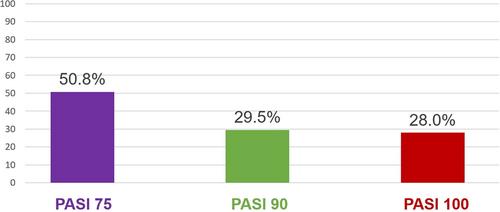
Topical treatment is the mainstay for mild or moderate psoriasis, but patients are generally little satisfied. Calcipotriol/betamethasone dipropionate (Cal/BD) cutaneous foam has shown to improve signs and symptoms in plaque psoriasis patients. This study assessed patient's satisfaction with Cal/BD foam in a real-life Italian dermatological clinical practice. A multicenter, 4-week observational prospective cohort study enrolled, in 17 Italian dermatology clinics, adult patients with plaque psoriasis on the body and/or scalp. Treatment satisfaction was assessed by 9-item Treatment Satisfaction Questionnaire for Medication (TSQM-9), preference over previous treatments by Patient Preference Questionnaire (PPQ), and change in disease state by Psoriasis Area Severity Index (PASI). Overall 256 patients were eligible, with a mean (SD) age of 55.6 (15.4) years, 59.4% were males. Psoriasis severity was mild in 52.0% of patients, moderate in 43.3%, and severe in 4.7%. Scalp involvement was present in 36.7% of patients. Previous antipsoriatic treatments had been received by 80.5% of patients. TSQM-9 median (25th–75th percentile) scores were 83.3 (66.7–88.9) for effectiveness, 77.8 (66.7–88.9) for convenience, and 78.6 (64.3–92.9) for global satisfaction. Mean (SD) PASI value decreased from 7.3 (4.8) to 2.1 (2.7) after 4 weeks. More than 90% of patients previously treated for psoriasis evaluated the Cal/BD foam more effective, easier to use and better tolerated compared to previous topical treatments at PPQ. This observational study provides real-life evidence of a high level of satisfaction with effectiveness and convenience of the Cal/BD foam in a cohort of plaque psoriasis patients, with an objective improvement in PASI.
期刊介绍:
Dermatologic Therapy has been created to fill an important void in the dermatologic literature: the lack of a readily available source of up-to-date information on the treatment of specific cutaneous diseases and the practical application of specific treatment modalities. Each issue of the journal consists of a series of scholarly review articles written by leaders in dermatology in which they describe, in very specific terms, how they treat particular cutaneous diseases and how they use specific therapeutic agents. The information contained in each issue is so practical and detailed that the reader should be able to directly apply various treatment approaches to daily clinical situations. Because of the specific and practical nature of this publication, Dermatologic Therapy not only serves as a readily available resource for the day-to-day treatment of patients, but also as an evolving therapeutic textbook for the treatment of dermatologic diseases.



 京公网安备 11010802042870号
京ICP备2023020795号-1
京公网安备 11010802042870号
京ICP备2023020795号-1

 分享
分享
 求助内容:
求助内容: 应助结果提醒方式:
 扫码关注我们
