Effects of Bovine Pichia kudriavzevii T7, Candida glabrata B14, and Lactobacillus plantarum Y9 on Milk Production, Quality and Digestive Tract Microbiome in Dairy Cows.
Yali Ji, Xin Dong, Zhimin Liu, Weijun Wang, Hai Yan, Xiaolu Liu
{"title":"Effects of Bovine <i>Pichia kudriavzevii</i> T7, <i>Candida glabrata</i> B14, and <i>Lactobacillus plantarum</i> Y9 on Milk Production, Quality and Digestive Tract Microbiome in Dairy Cows.","authors":"Yali Ji, Xin Dong, Zhimin Liu, Weijun Wang, Hai Yan, Xiaolu Liu","doi":"10.3390/microorganisms10050842","DOIUrl":null,"url":null,"abstract":"<p><p>Microbial administration has been used successfully to improve host health. However, the positive effects of endogenous microbials are still underexplored. This study investigated the effects of bovine Lactic acid bacteria and yeast on the milk production, quality and digestive tract microbiome of dairy cows. <i>Lactobacillus plantarum</i> Y9, <i>Pichia kudriavzevii</i> T7 and <i>Candida glabrata B14</i> isolated from high-yielding dairy cows were selected to feed low-yielding Holstein cows. <i>Pichia kudriavzevii</i> T7 could significantly increase milk yield, meanwhile, <i>Pichia kudriavzevii</i> T7 and <i>Candida glabrata</i> B14 could obviously reduce the number of somatic cell counts (SCC). However, slight differences were found in milk fat, protein, lactose and SNF (solids not fat) percentage. High throughput sequencing showed that the dominant bacteria were <i>Prevotella</i> and <i>Ruminococcaceae</i> in rumen and feces, respectively, and the dominant fungi were <i>Penicillium</i>, <i>Aspergillus</i> and <i>Trichoderma</i> in both samples, before and after feeding the microbial addition. Nonetheless, microbial addition changed the abundance and structure of the microbiome in the digestive tract. Our data showed bovine yeast and LAB were beneficial for improving performance and regulating the microbial structure of dairy cows. This study was expected to enrich the knowledge of the digestive tract microbiome in dairy cows and provide a feasible strategy for the further utilization of bovine microorganisms.</p>","PeriodicalId":4,"journal":{"name":"ACS Applied Energy Materials","volume":" ","pages":""},"PeriodicalIF":5.5000,"publicationDate":"2022-04-20","publicationTypes":"Journal Article","fieldsOfStudy":null,"isOpenAccess":false,"openAccessPdf":"https://www.ncbi.nlm.nih.gov/pmc/articles/PMC9146454/pdf/","citationCount":"0","resultStr":null,"platform":"Semanticscholar","paperid":null,"PeriodicalName":"ACS Applied Energy Materials","FirstCategoryId":"99","ListUrlMain":"https://doi.org/10.3390/microorganisms10050842","RegionNum":3,"RegionCategory":"材料科学","ArticlePicture":[],"TitleCN":null,"AbstractTextCN":null,"PMCID":null,"EPubDate":"","PubModel":"","JCR":"Q2","JCRName":"CHEMISTRY, PHYSICAL","Score":null,"Total":0}
引用次数: 0
Abstract
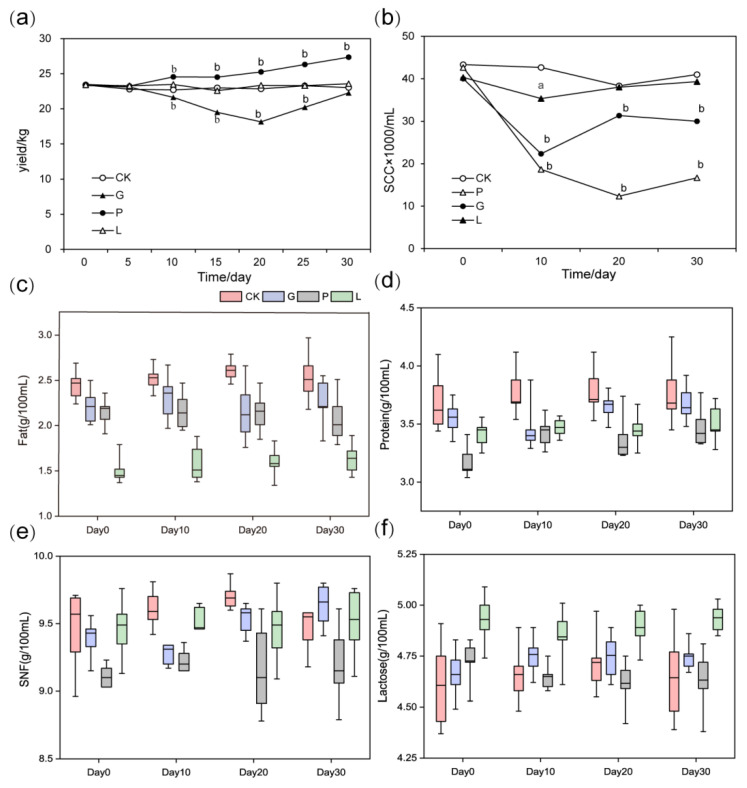
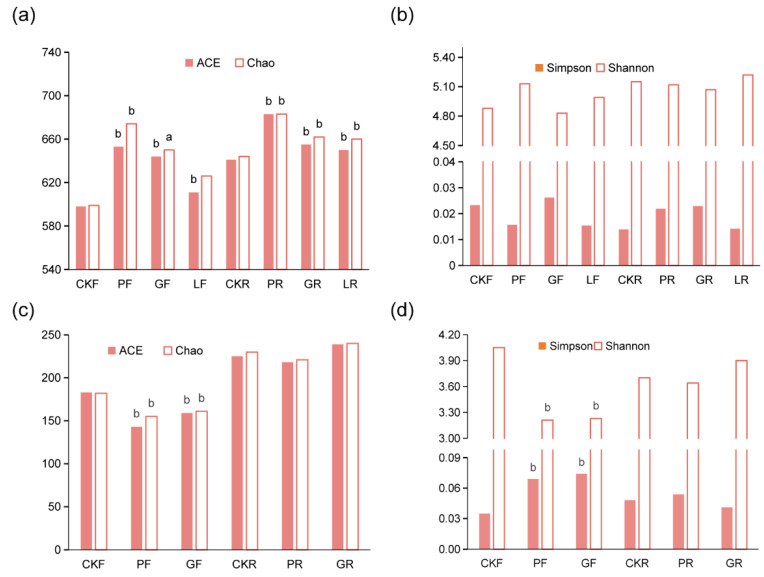
Microbial administration has been used successfully to improve host health. However, the positive effects of endogenous microbials are still underexplored. This study investigated the effects of bovine Lactic acid bacteria and yeast on the milk production, quality and digestive tract microbiome of dairy cows. Lactobacillus plantarum Y9, Pichia kudriavzevii T7 and Candida glabrata B14 isolated from high-yielding dairy cows were selected to feed low-yielding Holstein cows. Pichia kudriavzevii T7 could significantly increase milk yield, meanwhile, Pichia kudriavzevii T7 and Candida glabrata B14 could obviously reduce the number of somatic cell counts (SCC). However, slight differences were found in milk fat, protein, lactose and SNF (solids not fat) percentage. High throughput sequencing showed that the dominant bacteria were Prevotella and Ruminococcaceae in rumen and feces, respectively, and the dominant fungi were Penicillium, Aspergillus and Trichoderma in both samples, before and after feeding the microbial addition. Nonetheless, microbial addition changed the abundance and structure of the microbiome in the digestive tract. Our data showed bovine yeast and LAB were beneficial for improving performance and regulating the microbial structure of dairy cows. This study was expected to enrich the knowledge of the digestive tract microbiome in dairy cows and provide a feasible strategy for the further utilization of bovine microorganisms.
期刊介绍:
ACS Applied Energy Materials is an interdisciplinary journal publishing original research covering all aspects of materials, engineering, chemistry, physics and biology relevant to energy conversion and storage. The journal is devoted to reports of new and original experimental and theoretical research of an applied nature that integrate knowledge in the areas of materials, engineering, physics, bioscience, and chemistry into important energy applications.




 京公网安备 11010802042870号
京ICP备2023020795号-1
京公网安备 11010802042870号
京ICP备2023020795号-1

 分享
分享
 求助内容:
求助内容: 应助结果提醒方式:
 扫码关注我们
