{"title":"Application of the socio-ecological model in the efforts to end COVID-19 in Sub-Saharan Africa: The challenges and success stories.","authors":"Elvis E Tarkang, Hubert Amu","doi":"10.4314/mmj.v35i1.12","DOIUrl":null,"url":null,"abstract":"<p><p>The Novel Coronavirus (COVID-19) was detected in December 2019 in the Hubei Province of China. Also known as 2019-nCoV, the outbreak was declared a pandemic by the World Health Organization (WHO) in March 2020. The WHO thus proposed country and technical guidelines in responding to the COVID-19 pandemic. This paper reviewed the preparedness of sub-Saharan African (SSA) countries in ending the pandemic through the adoption of the WHO guidelines. The Socio-Ecological Model was adopted as a conceptual framework in conducting our analysis. We realized that while striving to implement the WHO guidelines, a plethora of microsystem, mesosystem, exosystem, macrosystem, and chronosystem factors make it difficult for SSA countries to achieve the desired results aimed at halting the spread of the virus. SSA countries may, therefore, not be able to end the COVID-19 pandemic soon. We recommend various interventions including short- and long-term loan facilities from donor agencies, decentralization of COVID-19 testing to sub-national levels, and increased community engagement to improve risk communication and adherence to public health measures to end the spread of COVID-19 in SSA.</p>","PeriodicalId":1,"journal":{"name":"Accounts of Chemical Research","volume":" ","pages":"72-76"},"PeriodicalIF":17.7000,"publicationDate":"2023-03-01","publicationTypes":"Journal Article","fieldsOfStudy":null,"isOpenAccess":false,"openAccessPdf":"https://www.ncbi.nlm.nih.gov/pmc/articles/PMC10645901/pdf/","citationCount":"0","resultStr":null,"platform":"Semanticscholar","paperid":null,"PeriodicalName":"Accounts of Chemical Research","FirstCategoryId":"92","ListUrlMain":"https://doi.org/10.4314/mmj.v35i1.12","RegionNum":1,"RegionCategory":"化学","ArticlePicture":[],"TitleCN":null,"AbstractTextCN":null,"PMCID":null,"EPubDate":"","PubModel":"","JCR":"Q1","JCRName":"CHEMISTRY, MULTIDISCIPLINARY","Score":null,"Total":0}
引用次数: 0
Abstract
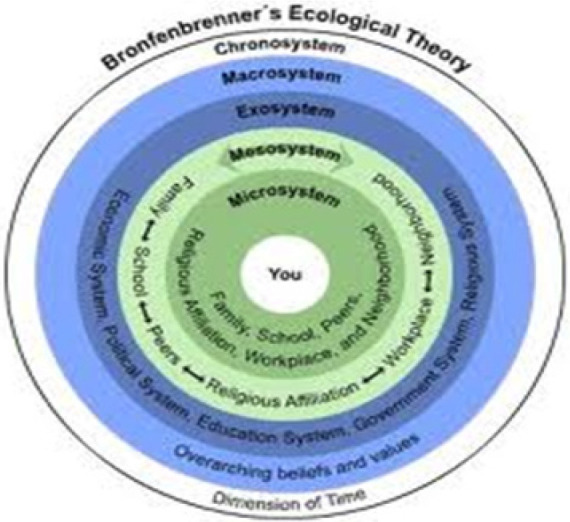
The Novel Coronavirus (COVID-19) was detected in December 2019 in the Hubei Province of China. Also known as 2019-nCoV, the outbreak was declared a pandemic by the World Health Organization (WHO) in March 2020. The WHO thus proposed country and technical guidelines in responding to the COVID-19 pandemic. This paper reviewed the preparedness of sub-Saharan African (SSA) countries in ending the pandemic through the adoption of the WHO guidelines. The Socio-Ecological Model was adopted as a conceptual framework in conducting our analysis. We realized that while striving to implement the WHO guidelines, a plethora of microsystem, mesosystem, exosystem, macrosystem, and chronosystem factors make it difficult for SSA countries to achieve the desired results aimed at halting the spread of the virus. SSA countries may, therefore, not be able to end the COVID-19 pandemic soon. We recommend various interventions including short- and long-term loan facilities from donor agencies, decentralization of COVID-19 testing to sub-national levels, and increased community engagement to improve risk communication and adherence to public health measures to end the spread of COVID-19 in SSA.
期刊介绍:
Accounts of Chemical Research presents short, concise and critical articles offering easy-to-read overviews of basic research and applications in all areas of chemistry and biochemistry. These short reviews focus on research from the author’s own laboratory and are designed to teach the reader about a research project. In addition, Accounts of Chemical Research publishes commentaries that give an informed opinion on a current research problem. Special Issues online are devoted to a single topic of unusual activity and significance.
Accounts of Chemical Research replaces the traditional article abstract with an article "Conspectus." These entries synopsize the research affording the reader a closer look at the content and significance of an article. Through this provision of a more detailed description of the article contents, the Conspectus enhances the article's discoverability by search engines and the exposure for the research.




 京公网安备 11010802042870号
京ICP备2023020795号-1
京公网安备 11010802042870号
京ICP备2023020795号-1

 分享
分享
 求助内容:
求助内容: 应助结果提醒方式:
 扫码关注我们
