{"title":"Complications and Treatment of Early-Onset Type 2 Diabetes.","authors":"Fahimeh Soheilipour, Naghmeh Abbasi Kasbi, Mahshid Imankhan, Delaram Eskandari","doi":"10.5812/ijem-135004","DOIUrl":null,"url":null,"abstract":"<p><strong>Context: </strong>Global reports have revealed a dramatic rise in the number of patients diagnosed with type 2 diabetes (T2DM) over the past three decades in all age groups, even in children and adolescents. The physiologic phenomenon of insulin resistance during puberty, as well as genetic and epigenetic factors, are implicated in this phenomenon. It seems that patients with early-onset T2DM experience a more aggressive clinical course; however, limited treatments available for these patients pose a challenge. This narrative review intends to scrutinize the micro- and macrovascular complications and treatments of patients with early-onset T2DM.</p><p><strong>Methods: </strong>The literature search was conducted in the PubMed database to identify all relevant original English articles published from the beginning of 2018 until January 2023.</p><p><strong>Results: </strong>Vascular complications, such as albuminuria, hypertension, cardiovascular diseases, and retinopathy, were seen to be more common in early-onset T2DM compared to type 1 diabetes. The odds ratio of vascular complications was higher in early-onset compared to late-onset T2DM. In children and adolescents with T2DM, the only approved medications included metformin, insulin, and glucagon-like peptide-1 agonists. Treatment of early-onset T2DM with metformin monotherapy cannot yield durable glycemic control, and most patients need early combination therapy.</p><p><strong>Conclusions: </strong>During the past years, the frequency of early-onset T2DM has been growing at an alarming rate. Vascular complications in these patients seem more aggressive and more challenging to control. Hence, further clinical trials should be conducted to develop novel therapeutic approaches and evaluate their long-term benefits in terms of glycemic control and preventing future complications.</p>","PeriodicalId":2,"journal":{"name":"ACS Applied Bio Materials","volume":" ","pages":"e135004"},"PeriodicalIF":4.7000,"publicationDate":"2023-08-06","publicationTypes":"Journal Article","fieldsOfStudy":null,"isOpenAccess":false,"openAccessPdf":"https://www.ncbi.nlm.nih.gov/pmc/articles/PMC10676662/pdf/","citationCount":"0","resultStr":null,"platform":"Semanticscholar","paperid":null,"PeriodicalName":"ACS Applied Bio Materials","FirstCategoryId":"3","ListUrlMain":"https://doi.org/10.5812/ijem-135004","RegionNum":0,"RegionCategory":null,"ArticlePicture":[],"TitleCN":null,"AbstractTextCN":null,"PMCID":null,"EPubDate":"2023/7/1 0:00:00","PubModel":"eCollection","JCR":"Q2","JCRName":"MATERIALS SCIENCE, BIOMATERIALS","Score":null,"Total":0}
引用次数: 0
Abstract
Context: Global reports have revealed a dramatic rise in the number of patients diagnosed with type 2 diabetes (T2DM) over the past three decades in all age groups, even in children and adolescents. The physiologic phenomenon of insulin resistance during puberty, as well as genetic and epigenetic factors, are implicated in this phenomenon. It seems that patients with early-onset T2DM experience a more aggressive clinical course; however, limited treatments available for these patients pose a challenge. This narrative review intends to scrutinize the micro- and macrovascular complications and treatments of patients with early-onset T2DM.
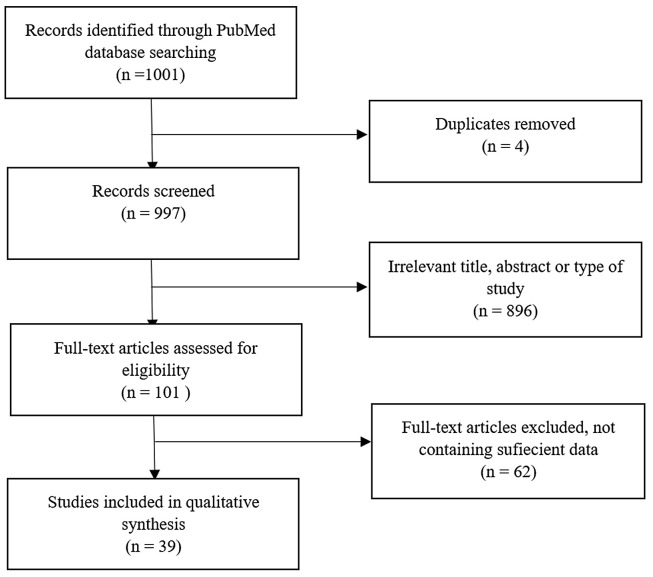
Methods: The literature search was conducted in the PubMed database to identify all relevant original English articles published from the beginning of 2018 until January 2023.
Results: Vascular complications, such as albuminuria, hypertension, cardiovascular diseases, and retinopathy, were seen to be more common in early-onset T2DM compared to type 1 diabetes. The odds ratio of vascular complications was higher in early-onset compared to late-onset T2DM. In children and adolescents with T2DM, the only approved medications included metformin, insulin, and glucagon-like peptide-1 agonists. Treatment of early-onset T2DM with metformin monotherapy cannot yield durable glycemic control, and most patients need early combination therapy.
Conclusions: During the past years, the frequency of early-onset T2DM has been growing at an alarming rate. Vascular complications in these patients seem more aggressive and more challenging to control. Hence, further clinical trials should be conducted to develop novel therapeutic approaches and evaluate their long-term benefits in terms of glycemic control and preventing future complications.
期刊介绍:
ACS Applied Bio Materials is an interdisciplinary journal publishing original research covering all aspects of biomaterials and biointerfaces including and beyond the traditional biosensing, biomedical and therapeutic applications.
The journal is devoted to reports of new and original experimental and theoretical research of an applied nature that integrates knowledge in the areas of materials, engineering, physics, bioscience, and chemistry into important bio applications. The journal is specifically interested in work that addresses the relationship between structure and function and assesses the stability and degradation of materials under relevant environmental and biological conditions.




 京公网安备 11010802042870号
京ICP备2023020795号-1
京公网安备 11010802042870号
京ICP备2023020795号-1

 分享
分享
 求助内容:
求助内容: 应助结果提醒方式:
 扫码关注我们
