Juliet I Mmerem, Uche S Unigwe, Michael O Iroezindu, Kyrian S Chukwu, Ifeyinwa L Ezenwosu, Geofrey O Okorie, Nneka M Chika-Igwenyi, Chidinma B Nwatu, Obinna D Onodugo
{"title":"Demographic characteristics, clinical presentation and in-hospital outcome among patients with Covid-19 in a Nigerian tertiary hospital.","authors":"Juliet I Mmerem, Uche S Unigwe, Michael O Iroezindu, Kyrian S Chukwu, Ifeyinwa L Ezenwosu, Geofrey O Okorie, Nneka M Chika-Igwenyi, Chidinma B Nwatu, Obinna D Onodugo","doi":"10.4314/mmj.v35i1.8","DOIUrl":null,"url":null,"abstract":"<p><strong>Background: </strong>We described the demographic/clinical characteristics and in-hospital outcome of patients with COVID-19 at the University of Nigeria Teaching Hospital (UNTH) during the first wave to inform evidence-based responses during subsequent waves in Africa.</p><p><strong>Methodology: </strong>We conducted retrospective cohort analyses of adult patients ≥18 years with PCR or GeneXpert-confirmed SARS-CoV-2 infection. Data was extracted from patients' medical records from 1st May to 30th September 2020. Based on disease severity, patients were either hospitalized (82) or managed at home (90). Logistic regression and cox-proportional hazard models were used to determine predictors of severe COVID-19 disease and in-hospital mortality, respectively.</p><p><strong>Results: </strong>Of 172 cases, 113 (65.7%) were males, and the mean age was 45 ± 19 years. The majority were urban dwellers (72.1%), 19.8% had a positive history of contact with a confirmed/suspected case, 15.7% were healthcare workers while 68 (39.5%) had co-morbidities. Symptomatic patients comprised 73.3% of cases. Fever (p=0.02) and breathlessness (p=0.03) were commoner in males while diarrhoea (p<0.01) was predominant in females. On multivariate analysis, severe COVID-19 was predicted by the presence of co-morbidity (AOR= 14.44, 95% C.I= 4.79- 43.58, p <0.001)and prior antibiotic/antimalarial use (AOR= 6.35, 95% C.I= 2.24- 18.05, p =0.001) while being a non-healthcare worker (AOR= 0.18, 95% C.I= 0.04-0.78, p=0.02) was protective. However, none of the variables assessed predicted in-hospital mortality.</p><p><strong>Conclusion: </strong>Our findings underscore the contributions of demographic variables in COVID-19 transmission and gender differences in clinical presentation. Underlying comorbidity likewise prior antimicrobial use increased the likelihood of severe COVID-19. The absence of mortality predictors in our study may be related to the relatively small number of deaths. Further studies are recommended to unravel the predominance of severe disease in healthcare workers.</p>","PeriodicalId":1,"journal":{"name":"Accounts of Chemical Research","volume":" ","pages":"43-57"},"PeriodicalIF":17.7000,"publicationDate":"2023-03-01","publicationTypes":"Journal Article","fieldsOfStudy":null,"isOpenAccess":false,"openAccessPdf":"https://www.ncbi.nlm.nih.gov/pmc/articles/PMC10645895/pdf/","citationCount":"0","resultStr":null,"platform":"Semanticscholar","paperid":null,"PeriodicalName":"Accounts of Chemical Research","FirstCategoryId":"92","ListUrlMain":"https://doi.org/10.4314/mmj.v35i1.8","RegionNum":1,"RegionCategory":"化学","ArticlePicture":[],"TitleCN":null,"AbstractTextCN":null,"PMCID":null,"EPubDate":"","PubModel":"","JCR":"Q1","JCRName":"CHEMISTRY, MULTIDISCIPLINARY","Score":null,"Total":0}
引用次数: 0
Abstract
Background: We described the demographic/clinical characteristics and in-hospital outcome of patients with COVID-19 at the University of Nigeria Teaching Hospital (UNTH) during the first wave to inform evidence-based responses during subsequent waves in Africa.
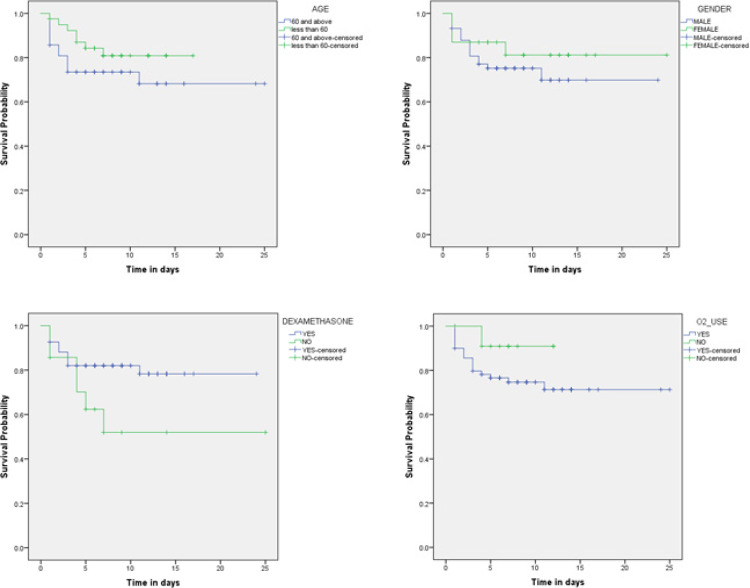
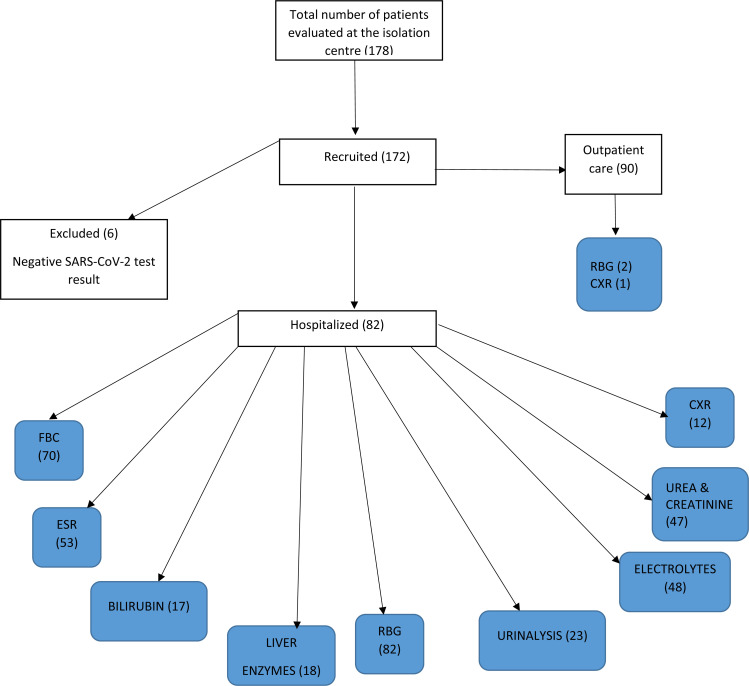
Methodology: We conducted retrospective cohort analyses of adult patients ≥18 years with PCR or GeneXpert-confirmed SARS-CoV-2 infection. Data was extracted from patients' medical records from 1st May to 30th September 2020. Based on disease severity, patients were either hospitalized (82) or managed at home (90). Logistic regression and cox-proportional hazard models were used to determine predictors of severe COVID-19 disease and in-hospital mortality, respectively.
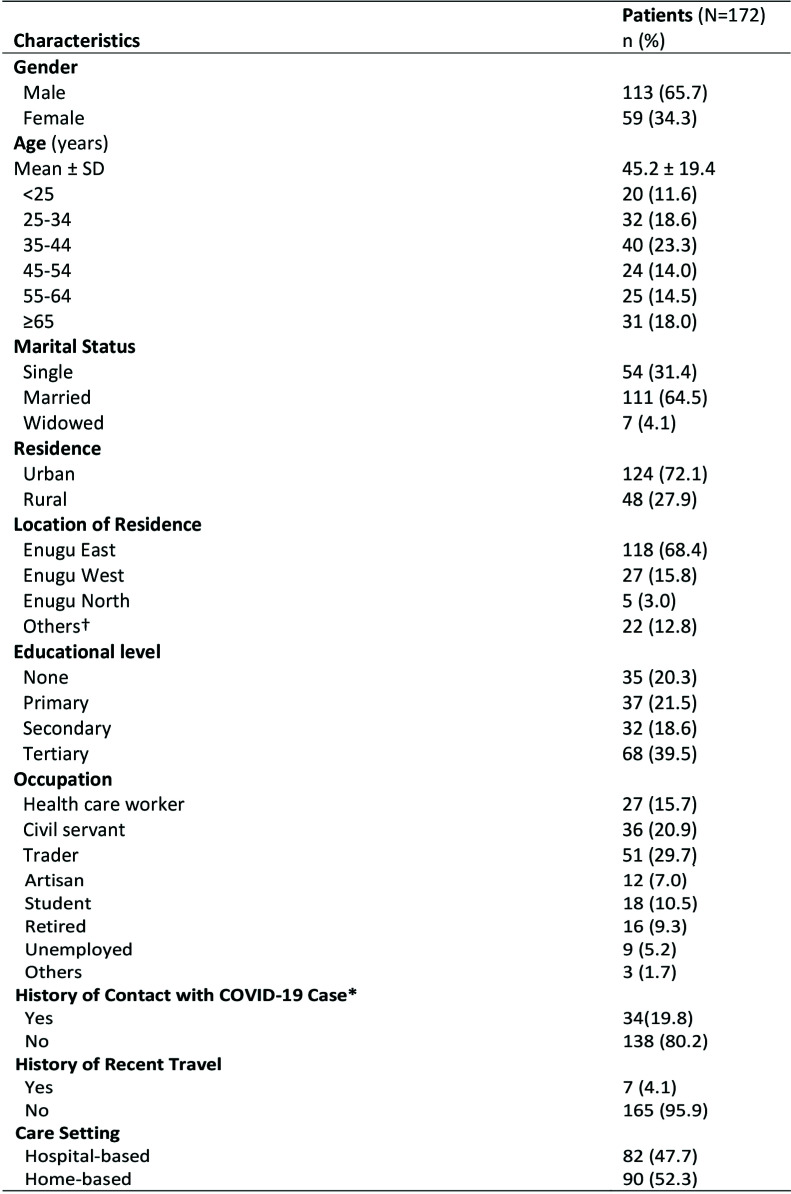
Results: Of 172 cases, 113 (65.7%) were males, and the mean age was 45 ± 19 years. The majority were urban dwellers (72.1%), 19.8% had a positive history of contact with a confirmed/suspected case, 15.7% were healthcare workers while 68 (39.5%) had co-morbidities. Symptomatic patients comprised 73.3% of cases. Fever (p=0.02) and breathlessness (p=0.03) were commoner in males while diarrhoea (p<0.01) was predominant in females. On multivariate analysis, severe COVID-19 was predicted by the presence of co-morbidity (AOR= 14.44, 95% C.I= 4.79- 43.58, p <0.001)and prior antibiotic/antimalarial use (AOR= 6.35, 95% C.I= 2.24- 18.05, p =0.001) while being a non-healthcare worker (AOR= 0.18, 95% C.I= 0.04-0.78, p=0.02) was protective. However, none of the variables assessed predicted in-hospital mortality.
Conclusion: Our findings underscore the contributions of demographic variables in COVID-19 transmission and gender differences in clinical presentation. Underlying comorbidity likewise prior antimicrobial use increased the likelihood of severe COVID-19. The absence of mortality predictors in our study may be related to the relatively small number of deaths. Further studies are recommended to unravel the predominance of severe disease in healthcare workers.
期刊介绍:
Accounts of Chemical Research presents short, concise and critical articles offering easy-to-read overviews of basic research and applications in all areas of chemistry and biochemistry. These short reviews focus on research from the author’s own laboratory and are designed to teach the reader about a research project. In addition, Accounts of Chemical Research publishes commentaries that give an informed opinion on a current research problem. Special Issues online are devoted to a single topic of unusual activity and significance.
Accounts of Chemical Research replaces the traditional article abstract with an article "Conspectus." These entries synopsize the research affording the reader a closer look at the content and significance of an article. Through this provision of a more detailed description of the article contents, the Conspectus enhances the article's discoverability by search engines and the exposure for the research.




 京公网安备 11010802042870号
京ICP备2023020795号-1
京公网安备 11010802042870号
京ICP备2023020795号-1

 分享
分享
 求助内容:
求助内容: 应助结果提醒方式:
 扫码关注我们
