Øyvind Reehorst Kalsås, Kristine Berg Titlestad, Kari Dyregrov, Lars Thore Fadnes
{"title":"Needs for help and received help for those bereaved by a drug-related death: a cross-sectional study.","authors":"Øyvind Reehorst Kalsås, Kristine Berg Titlestad, Kari Dyregrov, Lars Thore Fadnes","doi":"10.1177/14550725221125378","DOIUrl":null,"url":null,"abstract":"<p><p><b>Background and aims:</b> Individuals bereaved after sudden and unexpected deaths can benefit from professional help to cope after the loss, and the bereaved call for proactive, early and flexible help from professional services. Most drug-related deaths (DRDs) happen suddenly and unexpectedly. DRDs are a significant public health issue, yet few studies have examined DRD-bereaved people's needs and experiences with professional help. This article investigates the needs for help and received help reported by DRD-bereaved family members and friends, and suggests improvements in services based on the findings. <b>Data and method:</b> A heterogeneous convenience sample of DRD-bereaved family members and close friends (n = 255) were recruited for a survey from February to December 2018. Descriptive analyses were conducted for experiences with professional help, chi-square analyses to find predictors for help needs and received help, and logistic regression analysis to find predictors for satisfaction with the help provided. <b>Results:</b> Most DRD-bereaved individuals reported a need for professional help after the death regardless of family relation to the deceased, and about half of the participants received help. Nearly half of them were satisfied with the help. Our results indicated higher satisfaction with help among older bereaved, and the participants who received help from a crisis team or psychotherapist. The latter was particularly stated for younger participants. Few participants with children in the family reported that the children had received help, and less than one-third were satisfied with this help. <b>Conclusion:</b> The study shows that younger age groups and children need particular recognition, and a family perspective from services is essential. When assessing the help needs of the DRD-bereaved, relations of both psychological and biological closeness should be recognised. Help efforts should be tailored according to established knowledge of the provided help that bereaved populations deem effective.</p>","PeriodicalId":1,"journal":{"name":"Accounts of Chemical Research","volume":" ","pages":"463-481"},"PeriodicalIF":17.7000,"publicationDate":"2023-10-01","publicationTypes":"Journal Article","fieldsOfStudy":null,"isOpenAccess":false,"openAccessPdf":"https://www.ncbi.nlm.nih.gov/pmc/articles/PMC10634386/pdf/","citationCount":"0","resultStr":null,"platform":"Semanticscholar","paperid":null,"PeriodicalName":"Accounts of Chemical Research","FirstCategoryId":"90","ListUrlMain":"https://doi.org/10.1177/14550725221125378","RegionNum":1,"RegionCategory":"化学","ArticlePicture":[],"TitleCN":null,"AbstractTextCN":null,"PMCID":null,"EPubDate":"2023/8/1 0:00:00","PubModel":"Epub","JCR":"Q1","JCRName":"CHEMISTRY, MULTIDISCIPLINARY","Score":null,"Total":0}
引用次数: 0
Abstract
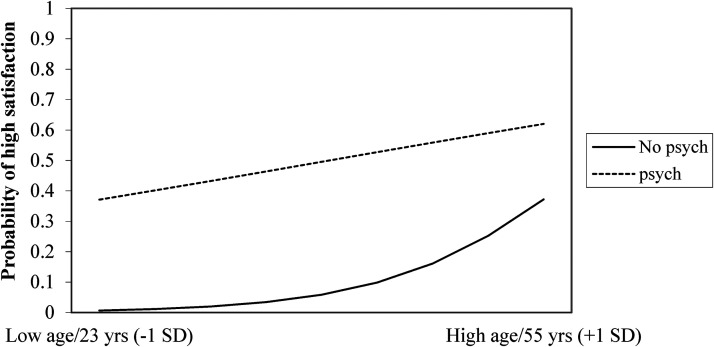
Background and aims: Individuals bereaved after sudden and unexpected deaths can benefit from professional help to cope after the loss, and the bereaved call for proactive, early and flexible help from professional services. Most drug-related deaths (DRDs) happen suddenly and unexpectedly. DRDs are a significant public health issue, yet few studies have examined DRD-bereaved people's needs and experiences with professional help. This article investigates the needs for help and received help reported by DRD-bereaved family members and friends, and suggests improvements in services based on the findings. Data and method: A heterogeneous convenience sample of DRD-bereaved family members and close friends (n = 255) were recruited for a survey from February to December 2018. Descriptive analyses were conducted for experiences with professional help, chi-square analyses to find predictors for help needs and received help, and logistic regression analysis to find predictors for satisfaction with the help provided. Results: Most DRD-bereaved individuals reported a need for professional help after the death regardless of family relation to the deceased, and about half of the participants received help. Nearly half of them were satisfied with the help. Our results indicated higher satisfaction with help among older bereaved, and the participants who received help from a crisis team or psychotherapist. The latter was particularly stated for younger participants. Few participants with children in the family reported that the children had received help, and less than one-third were satisfied with this help. Conclusion: The study shows that younger age groups and children need particular recognition, and a family perspective from services is essential. When assessing the help needs of the DRD-bereaved, relations of both psychological and biological closeness should be recognised. Help efforts should be tailored according to established knowledge of the provided help that bereaved populations deem effective.
期刊介绍:
Accounts of Chemical Research presents short, concise and critical articles offering easy-to-read overviews of basic research and applications in all areas of chemistry and biochemistry. These short reviews focus on research from the author’s own laboratory and are designed to teach the reader about a research project. In addition, Accounts of Chemical Research publishes commentaries that give an informed opinion on a current research problem. Special Issues online are devoted to a single topic of unusual activity and significance.
Accounts of Chemical Research replaces the traditional article abstract with an article "Conspectus." These entries synopsize the research affording the reader a closer look at the content and significance of an article. Through this provision of a more detailed description of the article contents, the Conspectus enhances the article's discoverability by search engines and the exposure for the research.






 京公网安备 11010802042870号
京ICP备2023020795号-1
京公网安备 11010802042870号
京ICP备2023020795号-1

 分享
分享
 求助内容:
求助内容: 应助结果提醒方式:
 扫码关注我们
