{"title":"Integrating genomics and conservation to safeguard plant diversity\n 整合基因组学与保护生物学研究,保护植物多样性","authors":"Harald Schneider","doi":"10.1002/inc3.15","DOIUrl":null,"url":null,"abstract":"<p>Conserving genetic diversity has been increasingly recognized as a keystone towards the protection of biodiversity and natural resources for future generations of humankind. In turn, the ongoing genomic revolution provides us with the technical innovations and expanded knowledge required to establish programs to integrate genomic approaches into programs to protect plant diversity and its genetic diversity. Although obtaining whole genomes of all organisms is still a far-fetched dream, rapid progress in assembling whole genomes across the plant tree-of-life has provided access to reference genomes for many plants but, unfortunately, not all lineages of the plant tree-of-life. Addressing the existing taxon gaps is arguably best achieved by focusing on the genomes of plant species that experience high extinction threats or play a crucial role in ecosystem restoration. This review summarizes not only the recent progress in plant genomics with an emphasis on their importance to the conservation of plant diversity but also outlines steps to integrate genomics into plant conservation. Given the complexity of threats driving plant extinction, such as reduced genetic diversity, enhanced genome erosion, and loss of species integrity by hybridization, the integration of genomic research into our conservation efforts is crucial to understand extinction processes and, most importantly, to support the targets set to achieve “Harmony with Nature.”</p>","PeriodicalId":100680,"journal":{"name":"Integrative Conservation","volume":"2 1","pages":"10-18"},"PeriodicalIF":0.0000,"publicationDate":"2023-02-21","publicationTypes":"Journal Article","fieldsOfStudy":null,"isOpenAccess":false,"openAccessPdf":"https://onlinelibrary.wiley.com/doi/epdf/10.1002/inc3.15","citationCount":"3","resultStr":null,"platform":"Semanticscholar","paperid":null,"PeriodicalName":"Integrative Conservation","FirstCategoryId":"1085","ListUrlMain":"https://onlinelibrary.wiley.com/doi/10.1002/inc3.15","RegionNum":0,"RegionCategory":null,"ArticlePicture":[],"TitleCN":null,"AbstractTextCN":null,"PMCID":null,"EPubDate":"","PubModel":"","JCR":"","JCRName":"","Score":null,"Total":0}
引用次数: 3
Abstract
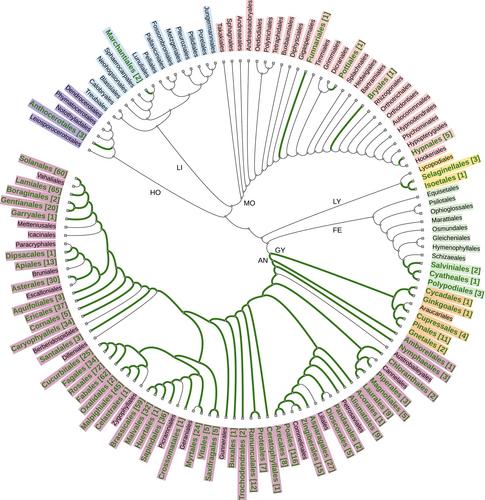
Conserving genetic diversity has been increasingly recognized as a keystone towards the protection of biodiversity and natural resources for future generations of humankind. In turn, the ongoing genomic revolution provides us with the technical innovations and expanded knowledge required to establish programs to integrate genomic approaches into programs to protect plant diversity and its genetic diversity. Although obtaining whole genomes of all organisms is still a far-fetched dream, rapid progress in assembling whole genomes across the plant tree-of-life has provided access to reference genomes for many plants but, unfortunately, not all lineages of the plant tree-of-life. Addressing the existing taxon gaps is arguably best achieved by focusing on the genomes of plant species that experience high extinction threats or play a crucial role in ecosystem restoration. This review summarizes not only the recent progress in plant genomics with an emphasis on their importance to the conservation of plant diversity but also outlines steps to integrate genomics into plant conservation. Given the complexity of threats driving plant extinction, such as reduced genetic diversity, enhanced genome erosion, and loss of species integrity by hybridization, the integration of genomic research into our conservation efforts is crucial to understand extinction processes and, most importantly, to support the targets set to achieve “Harmony with Nature.”



 京公网安备 11010802042870号
京ICP备2023020795号-1
京公网安备 11010802042870号
京ICP备2023020795号-1

 分享
分享

 求助内容:
求助内容: 应助结果提醒方式:
 扫码关注我们
