{"title":"National Continuing Professional Development (CPD) training needs of pharmacists in Ethiopia.","authors":"Hamere Tamiru, Solomon Assefa Huluka, Bezawit Negash, Kidu Hailu, Zelalem Tilahun Mekonen","doi":"10.1186/s12960-023-00873-x","DOIUrl":null,"url":null,"abstract":"<p><strong>Background: </strong>Continuing Professional Development (CPD) in pharmacy is a lifelong learning approach whereby individual pharmacists are responsible for updating and broadening their knowledge, skills, and attitudes. This is vital to ensure the delivery of high-quality patient care services. However, there is a lack of available data revealing the CPD needs of Ethiopian pharmacists. Thus, the objective of this study was to identify CPD training needs of pharmacists practicing in Ethiopia.</p><p><strong>Methods: </strong>An institution-based cross-sectional study design with a quantitative approach was employed in this study. This assessment involved 640 pharmacists representing various sectors of the profession. Data were collected through a combination of an online platform and a face-to-face questionnaire administered in person.</p><p><strong>Result: </strong>A total of 634 participants completed and returned the questionnaires, resulting in an impressive response rate of 99.1%. A significant majority (74.1%) of the participants possessed bachelor's degree in pharmacy (B. Pharm). Pharmaceutical Logistics and Pharmacy administration was preferentially selected as a prior CPD course by 36% of participants, of them while Pharmacotherapy (17%), Leadership/Governance (13%), Community Pharmacy (12%), Research and Development (11%) were also the subsequent top choices by participants. Off-site face-to-face lectures (59.2%), Hybrid (face-to-face + e-learning) (54.8%), and on-site on-the-job training (45.5%) were the most convenient means of CPD course delivery. On the other hand, the participants least favored print-based or correspondence programs for CPD course delivery.</p><p><strong>Conclusions: </strong>CPD holds great importance in the professional lives of pharmacists. It is critical for pharmacists, CPD providers, and those responsible for accrediting CPD programs to recognize the specific CPD requirements, preferred methods of delivery, and obstacles involved. This understanding is vital for establishing priorities and effectively planning CPD activities. In light of this, our study identified the most preferred CPD training courses and convenient delivery methods for pharmacists in Ethiopia. We recommend that CPD providers and accrediting bodies in Ethiopia refer to our findings when approving CPD courses.</p>","PeriodicalId":39823,"journal":{"name":"Human Resources for Health","volume":"21 1","pages":"87"},"PeriodicalIF":4.3000,"publicationDate":"2023-11-07","publicationTypes":"Journal Article","fieldsOfStudy":null,"isOpenAccess":false,"openAccessPdf":"https://www.ncbi.nlm.nih.gov/pmc/articles/PMC10631163/pdf/","citationCount":"0","resultStr":null,"platform":"Semanticscholar","paperid":null,"PeriodicalName":"Human Resources for Health","FirstCategoryId":"3","ListUrlMain":"https://doi.org/10.1186/s12960-023-00873-x","RegionNum":2,"RegionCategory":"医学","ArticlePicture":[],"TitleCN":null,"AbstractTextCN":null,"PMCID":null,"EPubDate":"","PubModel":"","JCR":"Q1","JCRName":"HEALTH POLICY & SERVICES","Score":null,"Total":0}
引用次数: 0
Abstract
Background: Continuing Professional Development (CPD) in pharmacy is a lifelong learning approach whereby individual pharmacists are responsible for updating and broadening their knowledge, skills, and attitudes. This is vital to ensure the delivery of high-quality patient care services. However, there is a lack of available data revealing the CPD needs of Ethiopian pharmacists. Thus, the objective of this study was to identify CPD training needs of pharmacists practicing in Ethiopia.
Methods: An institution-based cross-sectional study design with a quantitative approach was employed in this study. This assessment involved 640 pharmacists representing various sectors of the profession. Data were collected through a combination of an online platform and a face-to-face questionnaire administered in person.
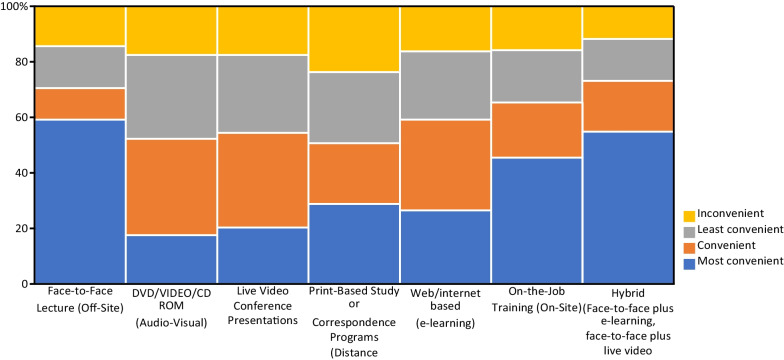
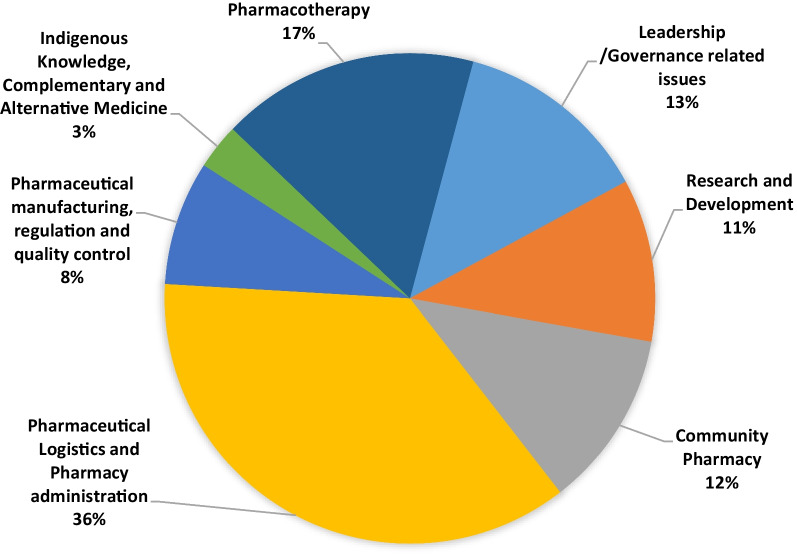
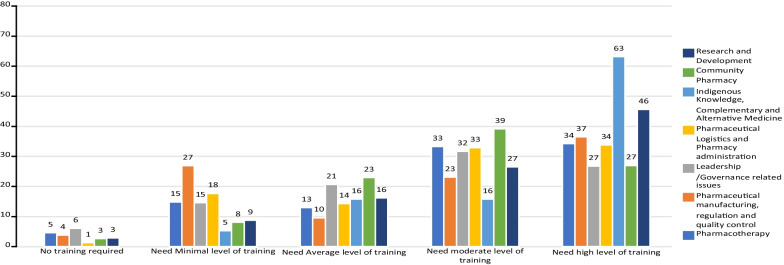
Result: A total of 634 participants completed and returned the questionnaires, resulting in an impressive response rate of 99.1%. A significant majority (74.1%) of the participants possessed bachelor's degree in pharmacy (B. Pharm). Pharmaceutical Logistics and Pharmacy administration was preferentially selected as a prior CPD course by 36% of participants, of them while Pharmacotherapy (17%), Leadership/Governance (13%), Community Pharmacy (12%), Research and Development (11%) were also the subsequent top choices by participants. Off-site face-to-face lectures (59.2%), Hybrid (face-to-face + e-learning) (54.8%), and on-site on-the-job training (45.5%) were the most convenient means of CPD course delivery. On the other hand, the participants least favored print-based or correspondence programs for CPD course delivery.
Conclusions: CPD holds great importance in the professional lives of pharmacists. It is critical for pharmacists, CPD providers, and those responsible for accrediting CPD programs to recognize the specific CPD requirements, preferred methods of delivery, and obstacles involved. This understanding is vital for establishing priorities and effectively planning CPD activities. In light of this, our study identified the most preferred CPD training courses and convenient delivery methods for pharmacists in Ethiopia. We recommend that CPD providers and accrediting bodies in Ethiopia refer to our findings when approving CPD courses.
期刊介绍:
Human Resources for Health is an open access, peer-reviewed, online journal covering all aspects of planning, producing and managing the health workforce - all those who provide health services worldwide. Human Resources for Health aims to disseminate research on health workforce policy, the health labour market, health workforce practice, development of knowledge tools and implementation mechanisms nationally and internationally; as well as specific features of the health workforce, such as the impact of management of health workers" performance and its link with health outcomes. The journal encourages debate on health sector reforms and their link with human resources issues, a hitherto-neglected area.



 京公网安备 11010802042870号
京ICP备2023020795号-1
京公网安备 11010802042870号
京ICP备2023020795号-1

 分享
分享
 求助内容:
求助内容: 应助结果提醒方式:
 扫码关注我们
