{"title":"Sensitivity Analysis of Multi-phase Seepage Parameters Affecting the Clayey Silt Hydrate Reservoir Productivity in the Shenhu Area, South China Sea","authors":"Yaobin LI, Tianfu XU, Xin XIN, Yingqi ZANG, Huixing ZHU, Yilong YUAN","doi":"10.1111/1755-6724.15106","DOIUrl":null,"url":null,"abstract":"<p>Natural gas hydrate (NGH) is an important future resource for the 21<sup>st</sup> century and a strategic resource with potential for commercial development in the third energy transition. It is of great significance to accurately predict the productivity of hydrate-bearing sediments (HBS). The multi-phase seepage parameters of HBS include permeability, porosity, which is closely related to permeability, and hydrate saturation, which has a direct impact on hydrate content. Existing research has shown that these multi-phase seepage parameters have a great impact on HBS productivity. Permeability directly affects the transmission of pressure-drop and discharge of methane gas, porosity and initial hydrate saturation affect the amount of hydrate decomposition and transmission process of pressure-drop, and also indirectly affect temperature variation of the reservoir. Considering the spatial heterogeneity of multi-phase seepage parameters, a depressurization production model with layered heterogeneity is established based on the clayey silt hydrate reservoir at W11 station in the Shenhu Sea area of the South China Sea. Tough + Hydrate software was used to calculate the production model; the process of gas production and seepage parameter evolution under different multi-phase seepage conditions were obtained. A sensitivity analysis of the parameters affecting the reservoir productivity was conducted so that: (a) a HBS model with layered heterogeneity can better describe the transmission process of pressure and thermal compensation mechanism of hydrate reservoir; (b) considering the multi-phase seepage parameter heterogeneity, the influence degrees of the parameters on HBS productivity were permeability, porosity and initial hydrate saturation, in order from large to small, and the influence of permeability was significantly greater than that of other parameters; (c) the production potential of the clayey silt reservoir should not only be determined by hydrate content or seepage capacity, but also by the comprehensive effect of the two; and (d) time scales need to be considered when studying the effects of changes in multi-phase seepage parameters on HBS productivity.</p>","PeriodicalId":7095,"journal":{"name":"Acta Geologica Sinica ‐ English Edition","volume":"97 6","pages":"1787-1800"},"PeriodicalIF":3.7000,"publicationDate":"2023-08-22","publicationTypes":"Journal Article","fieldsOfStudy":null,"isOpenAccess":false,"openAccessPdf":"","citationCount":"0","resultStr":null,"platform":"Semanticscholar","paperid":null,"PeriodicalName":"Acta Geologica Sinica ‐ English Edition","FirstCategoryId":"89","ListUrlMain":"https://onlinelibrary.wiley.com/doi/10.1111/1755-6724.15106","RegionNum":3,"RegionCategory":"地球科学","ArticlePicture":[],"TitleCN":null,"AbstractTextCN":null,"PMCID":null,"EPubDate":"","PubModel":"","JCR":"Q1","JCRName":"GEOSCIENCES, MULTIDISCIPLINARY","Score":null,"Total":0}
引用次数: 0
Abstract
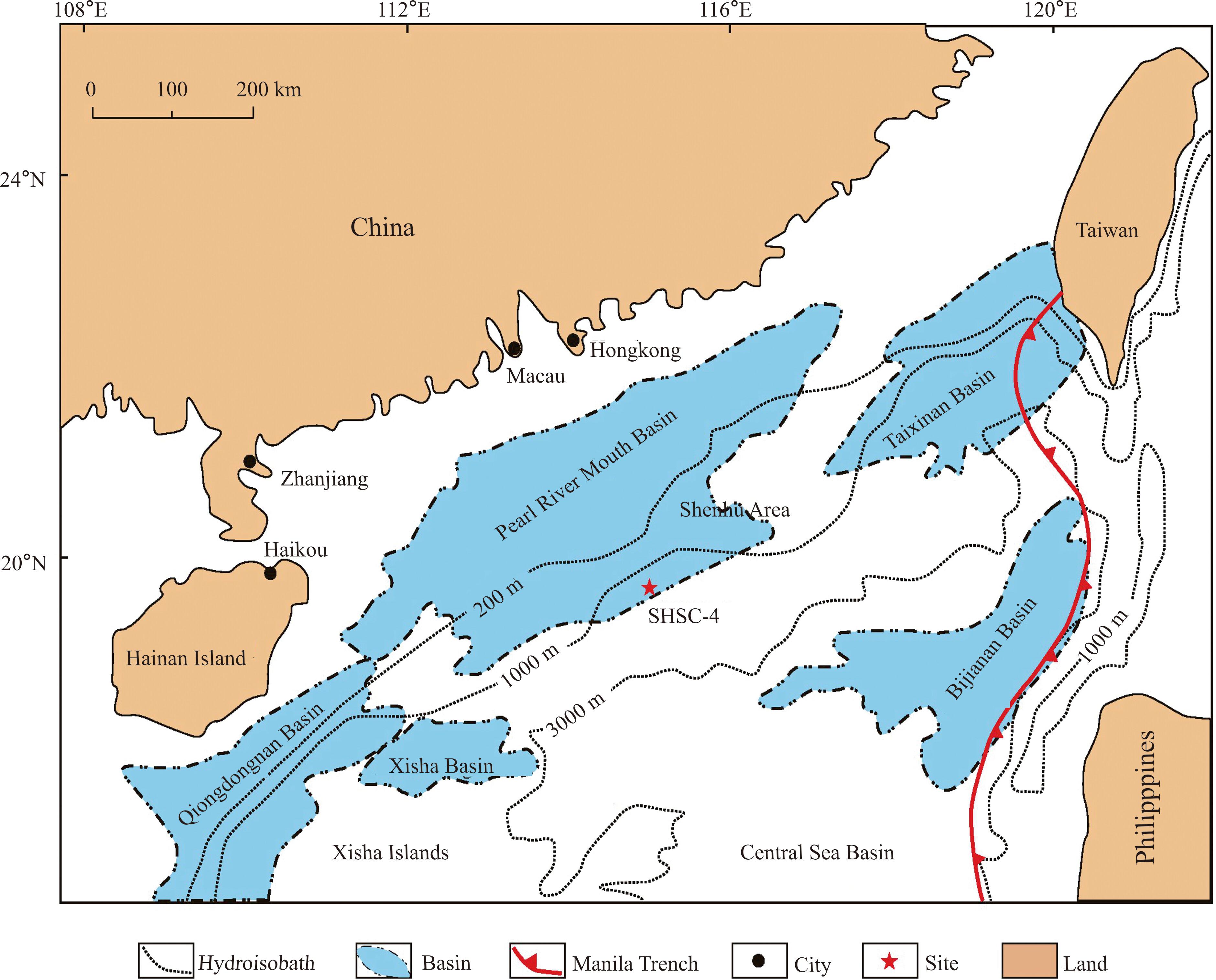
Natural gas hydrate (NGH) is an important future resource for the 21st century and a strategic resource with potential for commercial development in the third energy transition. It is of great significance to accurately predict the productivity of hydrate-bearing sediments (HBS). The multi-phase seepage parameters of HBS include permeability, porosity, which is closely related to permeability, and hydrate saturation, which has a direct impact on hydrate content. Existing research has shown that these multi-phase seepage parameters have a great impact on HBS productivity. Permeability directly affects the transmission of pressure-drop and discharge of methane gas, porosity and initial hydrate saturation affect the amount of hydrate decomposition and transmission process of pressure-drop, and also indirectly affect temperature variation of the reservoir. Considering the spatial heterogeneity of multi-phase seepage parameters, a depressurization production model with layered heterogeneity is established based on the clayey silt hydrate reservoir at W11 station in the Shenhu Sea area of the South China Sea. Tough + Hydrate software was used to calculate the production model; the process of gas production and seepage parameter evolution under different multi-phase seepage conditions were obtained. A sensitivity analysis of the parameters affecting the reservoir productivity was conducted so that: (a) a HBS model with layered heterogeneity can better describe the transmission process of pressure and thermal compensation mechanism of hydrate reservoir; (b) considering the multi-phase seepage parameter heterogeneity, the influence degrees of the parameters on HBS productivity were permeability, porosity and initial hydrate saturation, in order from large to small, and the influence of permeability was significantly greater than that of other parameters; (c) the production potential of the clayey silt reservoir should not only be determined by hydrate content or seepage capacity, but also by the comprehensive effect of the two; and (d) time scales need to be considered when studying the effects of changes in multi-phase seepage parameters on HBS productivity.
期刊介绍:
Acta Geologica Sinica mainly reports the latest and most important achievements in the theoretical and basic research in geological sciences, together with new technologies, in China. Papers published involve various aspects of research concerning geosciences and related disciplines, such as stratigraphy, palaeontology, origin and history of the Earth, structural geology, tectonics, mineralogy, petrology, geochemistry, geophysics, geology of mineral deposits, hydrogeology, engineering geology, environmental geology, regional geology and new theories and technologies of geological exploration.



 京公网安备 11010802042870号
京ICP备2023020795号-1
京公网安备 11010802042870号
京ICP备2023020795号-1

 分享
分享
 求助内容:
求助内容: 应助结果提醒方式:
 扫码关注我们
