{"title":"Psychosocial Impact of Lockdown on Children due to COVID-19: A Cross-Sectional Study.","authors":"Mahdi Alnamnakani, Shuliweeh Alenezi, Hani Temsah, Mohamad Alothman, Rozan Esam Murshid, Hana Alonazy, Haitham Alqurashi","doi":"10.2174/17450179-v18-e2203210","DOIUrl":null,"url":null,"abstract":"<p><strong>Background: </strong>Quarantine measures during the COVID-19 lockdown had a negative impact on children's psychology and development. In this study, we aimed to evaluate the psychological impact of quarantine on children due to the COVID-19 pandemic in Saudi Arabia and to assess types of reported child maltreatment before and after the pandemic.</p><p><strong>Methods: </strong>A cross-sectional survey among parents was performed along with a retrospective data review for anonymized data from the National Family Safety Program, Saudi Arabia. 436 children participated in this survey during June-November 2020.</p><p><strong>Results: </strong>The percentage of fathers with an organic or psychological illness in the children with elevated anxiety levels is 18.5% (p-value = 0.019). The anxiety level of the participants was assessed using the Generalized Anxiety Disorder Assessment (GAD-7). Based on the scores, 10.1% had severe anxiety. The depression level of the participants was assessed using Patient Health Questionnaire (PHQ-9). Based on the scores, 4.4% had severe depression. The anxiety level of the children was assessed using Spence Children's Anxiety Scale - Parent (SCAS-Parent). Based on the overall score, 28.1% of the children had elevated anxiety levels. The anxiety level was elevated in a panic attack and agoraphobia for 36.8% of the kids, in separation anxiety for 26.8%, in physical injury fears for 35.1%, in social phobia for 19%, in obsessive-compulsive for 25.1%, and in generalized anxiety disorder/overanxious for 27.3%.</p><p><strong>Conclusion: </strong>Quarantine and lockdown during the period of the COVID-19 pandemic have had a negative impact and many adverse effects on the mental and intellectual development of children. These negative outcomes may be addressed <i>via</i> well-planned multilevel interventions.</p>","PeriodicalId":72621,"journal":{"name":"","volume":"18 ","pages":"e174501792203210"},"PeriodicalIF":0.0,"publicationDate":"2022-01-01","publicationTypes":"Journal Article","fieldsOfStudy":null,"isOpenAccess":false,"openAccessPdf":"https://www.ncbi.nlm.nih.gov/pmc/articles/PMC10158081/pdf/","citationCount":"1","resultStr":null,"platform":"Semanticscholar","paperid":null,"PeriodicalName":"","FirstCategoryId":"1085","ListUrlMain":"https://doi.org/10.2174/17450179-v18-e2203210","RegionNum":0,"RegionCategory":null,"ArticlePicture":[],"TitleCN":null,"AbstractTextCN":null,"PMCID":null,"EPubDate":"","PubModel":"","JCR":"","JCRName":"","Score":null,"Total":0}
引用次数: 1
Abstract
Background: Quarantine measures during the COVID-19 lockdown had a negative impact on children's psychology and development. In this study, we aimed to evaluate the psychological impact of quarantine on children due to the COVID-19 pandemic in Saudi Arabia and to assess types of reported child maltreatment before and after the pandemic.
Methods: A cross-sectional survey among parents was performed along with a retrospective data review for anonymized data from the National Family Safety Program, Saudi Arabia. 436 children participated in this survey during June-November 2020.
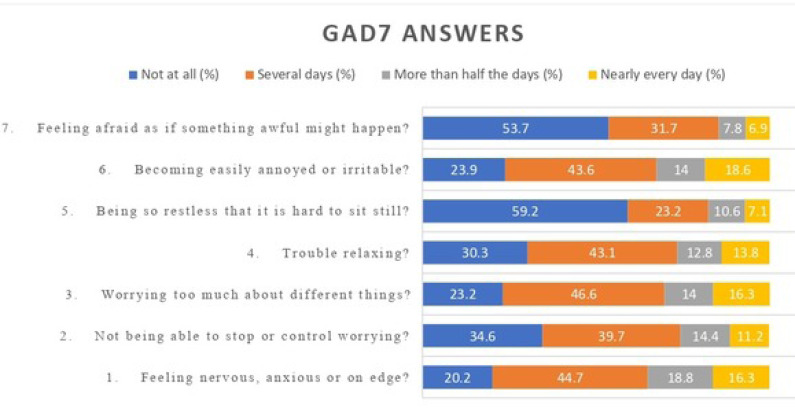
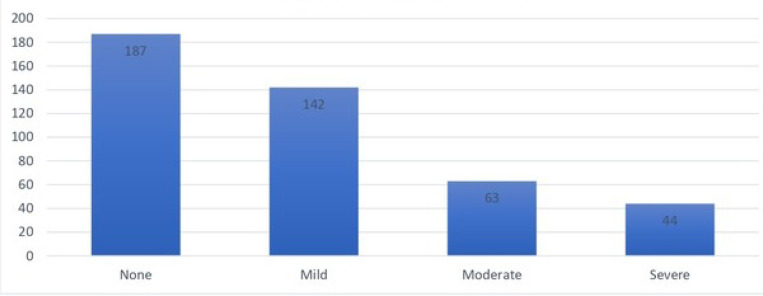
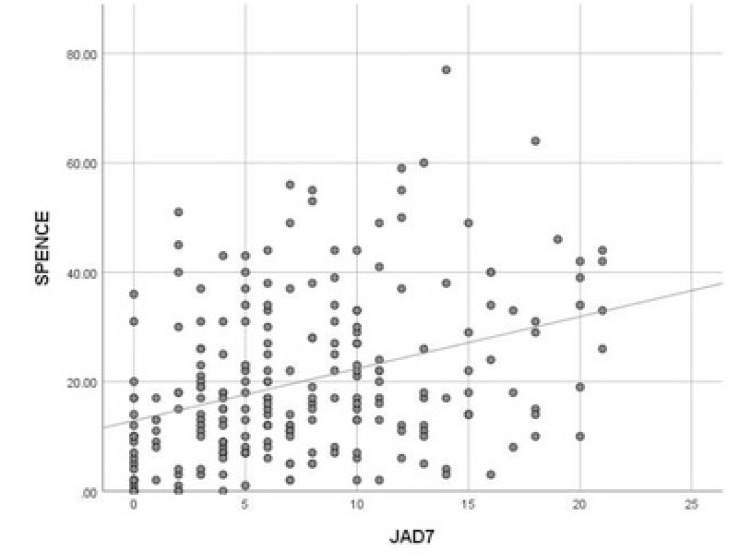
Results: The percentage of fathers with an organic or psychological illness in the children with elevated anxiety levels is 18.5% (p-value = 0.019). The anxiety level of the participants was assessed using the Generalized Anxiety Disorder Assessment (GAD-7). Based on the scores, 10.1% had severe anxiety. The depression level of the participants was assessed using Patient Health Questionnaire (PHQ-9). Based on the scores, 4.4% had severe depression. The anxiety level of the children was assessed using Spence Children's Anxiety Scale - Parent (SCAS-Parent). Based on the overall score, 28.1% of the children had elevated anxiety levels. The anxiety level was elevated in a panic attack and agoraphobia for 36.8% of the kids, in separation anxiety for 26.8%, in physical injury fears for 35.1%, in social phobia for 19%, in obsessive-compulsive for 25.1%, and in generalized anxiety disorder/overanxious for 27.3%.
Conclusion: Quarantine and lockdown during the period of the COVID-19 pandemic have had a negative impact and many adverse effects on the mental and intellectual development of children. These negative outcomes may be addressed via well-planned multilevel interventions.



 京公网安备 11010802042870号
京ICP备2023020795号-1
京公网安备 11010802042870号
京ICP备2023020795号-1

 分享
分享
 求助内容:
求助内容: 应助结果提醒方式:
 扫码关注我们
