{"title":"老年心力衰竭患者的上肢和下肢肌肉力量减弱,但骨骼肌不减弱。","authors":"Takuya Umehara, Akinori Kaneguchi, Takahiro Yamasaki, Nobuhisa Katayama, Wataru Kawakami, Daisuke Kuwahara, Nobuhiro Kito","doi":"10.2185/jrm.2022-029","DOIUrl":null,"url":null,"abstract":"<p><p><b>Objective:</b> This study aimed to characterize the muscle strength and skeletal muscle mass of patients with heart failure by investigating hand-grip strength, five times sit-to-stand (5STS) results, and skeletal muscle mass index (SMI). <b>Materials and Methods:</b> Muscle strength was assessed based on hand-grip strength and 5STS, while skeletal muscle mass was assessed using a bioelectrical impedance analyzer. Hierarchical logistic regression analysis was performed to explore the association between patients with heart failure and healthy elderly individuals. <b>Results:</b> Hierarchical logistic regression analysis was performed to examine the muscle strength and skeletal muscle mass characteristics in patients with heart failure. Hand-grip strength and 5STS responses but not SMI outcomes differed significantly between the two groups. The results of the hierarchical logistic regression analysis revealed that the hand-grip strength and 5STS were significant predictors of heart failure. The odds ratios for hand-grip strength and 5STS were 1.44 and 0.53, respectively. <b>Conclusion:</b> Our results suggested that upper and lower limb muscle strengths (handgrip strength and 5STS) in elderly patients with heart failure worsened significantly without a decrease in skeletal muscle mass.</p>","PeriodicalId":73939,"journal":{"name":"Journal of rural medicine : JRM","volume":"18 1","pages":"8-14"},"PeriodicalIF":0.0000,"publicationDate":"2023-01-01","publicationTypes":"Journal Article","fieldsOfStudy":null,"isOpenAccess":false,"openAccessPdf":"https://ftp.ncbi.nlm.nih.gov/pub/pmc/oa_pdf/0c/bb/jrm-18-008.PMC9832311.pdf","citationCount":"2","resultStr":"{\"title\":\"Reduced upper and lower limb muscle strengths without reduced skeletal muscle in elderly patients with heart failure.\",\"authors\":\"Takuya Umehara, Akinori Kaneguchi, Takahiro Yamasaki, Nobuhisa Katayama, Wataru Kawakami, Daisuke Kuwahara, Nobuhiro Kito\",\"doi\":\"10.2185/jrm.2022-029\",\"DOIUrl\":null,\"url\":null,\"abstract\":\"<p><p><b>Objective:</b> This study aimed to characterize the muscle strength and skeletal muscle mass of patients with heart failure by investigating hand-grip strength, five times sit-to-stand (5STS) results, and skeletal muscle mass index (SMI). <b>Materials and Methods:</b> Muscle strength was assessed based on hand-grip strength and 5STS, while skeletal muscle mass was assessed using a bioelectrical impedance analyzer. Hierarchical logistic regression analysis was performed to explore the association between patients with heart failure and healthy elderly individuals. <b>Results:</b> Hierarchical logistic regression analysis was performed to examine the muscle strength and skeletal muscle mass characteristics in patients with heart failure. Hand-grip strength and 5STS responses but not SMI outcomes differed significantly between the two groups. The results of the hierarchical logistic regression analysis revealed that the hand-grip strength and 5STS were significant predictors of heart failure. The odds ratios for hand-grip strength and 5STS were 1.44 and 0.53, respectively. <b>Conclusion:</b> Our results suggested that upper and lower limb muscle strengths (handgrip strength and 5STS) in elderly patients with heart failure worsened significantly without a decrease in skeletal muscle mass.</p>\",\"PeriodicalId\":73939,\"journal\":{\"name\":\"Journal of rural medicine : JRM\",\"volume\":\"18 1\",\"pages\":\"8-14\"},\"PeriodicalIF\":0.0000,\"publicationDate\":\"2023-01-01\",\"publicationTypes\":\"Journal Article\",\"fieldsOfStudy\":null,\"isOpenAccess\":false,\"openAccessPdf\":\"https://ftp.ncbi.nlm.nih.gov/pub/pmc/oa_pdf/0c/bb/jrm-18-008.PMC9832311.pdf\",\"citationCount\":\"2\",\"resultStr\":null,\"platform\":\"Semanticscholar\",\"paperid\":null,\"PeriodicalName\":\"Journal of rural medicine : JRM\",\"FirstCategoryId\":\"1085\",\"ListUrlMain\":\"https://doi.org/10.2185/jrm.2022-029\",\"RegionNum\":0,\"RegionCategory\":null,\"ArticlePicture\":[],\"TitleCN\":null,\"AbstractTextCN\":null,\"PMCID\":null,\"EPubDate\":\"\",\"PubModel\":\"\",\"JCR\":\"\",\"JCRName\":\"\",\"Score\":null,\"Total\":0}","platform":"Semanticscholar","paperid":null,"PeriodicalName":"Journal of rural medicine : JRM","FirstCategoryId":"1085","ListUrlMain":"https://doi.org/10.2185/jrm.2022-029","RegionNum":0,"RegionCategory":null,"ArticlePicture":[],"TitleCN":null,"AbstractTextCN":null,"PMCID":null,"EPubDate":"","PubModel":"","JCR":"","JCRName":"","Score":null,"Total":0}
Reduced upper and lower limb muscle strengths without reduced skeletal muscle in elderly patients with heart failure.
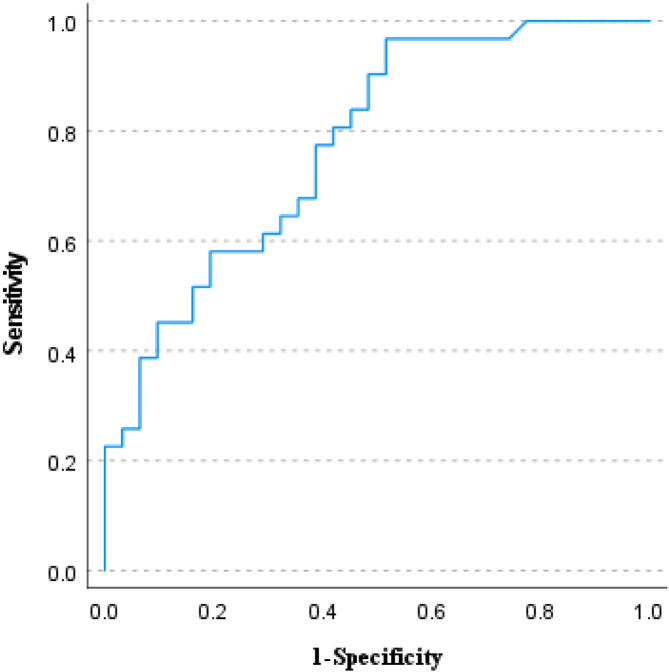
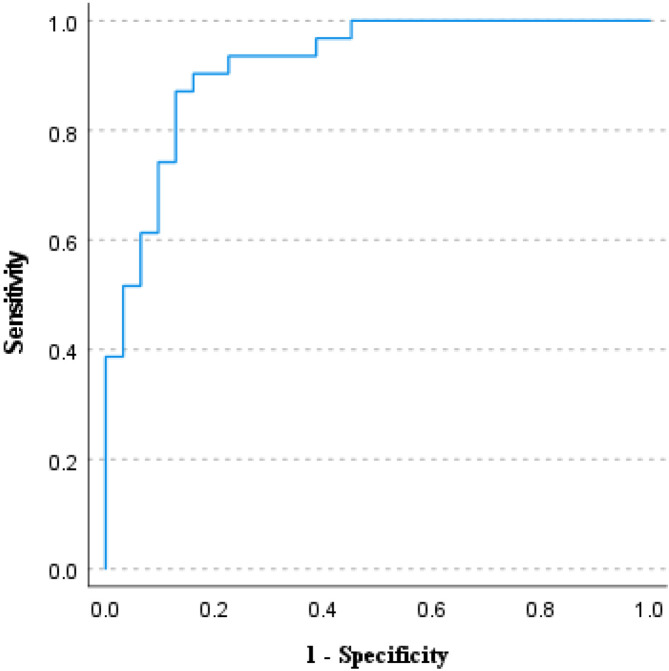
Objective: This study aimed to characterize the muscle strength and skeletal muscle mass of patients with heart failure by investigating hand-grip strength, five times sit-to-stand (5STS) results, and skeletal muscle mass index (SMI). Materials and Methods: Muscle strength was assessed based on hand-grip strength and 5STS, while skeletal muscle mass was assessed using a bioelectrical impedance analyzer. Hierarchical logistic regression analysis was performed to explore the association between patients with heart failure and healthy elderly individuals. Results: Hierarchical logistic regression analysis was performed to examine the muscle strength and skeletal muscle mass characteristics in patients with heart failure. Hand-grip strength and 5STS responses but not SMI outcomes differed significantly between the two groups. The results of the hierarchical logistic regression analysis revealed that the hand-grip strength and 5STS were significant predictors of heart failure. The odds ratios for hand-grip strength and 5STS were 1.44 and 0.53, respectively. Conclusion: Our results suggested that upper and lower limb muscle strengths (handgrip strength and 5STS) in elderly patients with heart failure worsened significantly without a decrease in skeletal muscle mass.




 京公网安备 11010802042870号
京ICP备2023020795号-1
京公网安备 11010802042870号
京ICP备2023020795号-1

 分享
分享

 求助内容:
求助内容: 应助结果提醒方式:
 扫码关注我们
