Jeffrey M. Pavlacic, Sara M. Witcraft, Tenelle O. Jones, Alyssa A. Rheingold
{"title":"提高研究生课程和学术医学环境中的心理复原力:开发多模式评估和干预模型","authors":"Jeffrey M. Pavlacic, Sara M. Witcraft, Tenelle O. Jones, Alyssa A. Rheingold","doi":"10.1007/s42844-023-00120-1","DOIUrl":null,"url":null,"abstract":"<div><p>Individuals in academic settings (e.g., graduate students; faculty/trainees in academic medical centers) experience elevated rates of burnout and decreased psychological well-being, in part attributed to contextual factors that place these professionals at greater risk for psychological difficulties and well-being deficits. Accordingly, there is a need for implementation of evidentiary interventions to facilitate contextual changes in academic environments to reduce burnout and promote psychological well-being. Resilience-informed interventions have been incorporated in healthcare settings, businesses, and clinical contexts, and may represent one viable intervention option. Using the Stanford Model of Professional Fulfillment (SMOPF) as a general framework, in conjunction with established evidence-based resilience interventions, strategies focusing on enhancing personal resilience are reviewed (drawing primarily from cognitive-behavioral perspectives), in addition to resilience-based interventions addressing efficiency of practice. Finally, resilience-based interventions designed to facilitate a culture of wellness are discussed. We offer a description of an integrated model driven by personal resilience, efficiency of practice, and cultural assessments to guide a tailored action recommendation plan of concrete intervention strategies that can be implemented within units, divisions, departments, broader medical university settings, and graduate programs. Suggestions for future dissemination and implementation efforts of resilience-based strategies in academic settings to promote psychological well-being are also offered.</p></div>","PeriodicalId":72113,"journal":{"name":"Adversity and resilience science","volume":"5 2","pages":"201 - 212"},"PeriodicalIF":2.9000,"publicationDate":"2023-10-26","publicationTypes":"Journal Article","fieldsOfStudy":null,"isOpenAccess":false,"openAccessPdf":"","citationCount":"0","resultStr":"{\"title\":\"Increasing Psychological Resilience in Graduate Programs and Academic Medical Settings: Developing a Multimodal Assessment and Intervention Model\",\"authors\":\"Jeffrey M. Pavlacic, Sara M. Witcraft, Tenelle O. Jones, Alyssa A. Rheingold\",\"doi\":\"10.1007/s42844-023-00120-1\",\"DOIUrl\":null,\"url\":null,\"abstract\":\"<div><p>Individuals in academic settings (e.g., graduate students; faculty/trainees in academic medical centers) experience elevated rates of burnout and decreased psychological well-being, in part attributed to contextual factors that place these professionals at greater risk for psychological difficulties and well-being deficits. Accordingly, there is a need for implementation of evidentiary interventions to facilitate contextual changes in academic environments to reduce burnout and promote psychological well-being. Resilience-informed interventions have been incorporated in healthcare settings, businesses, and clinical contexts, and may represent one viable intervention option. Using the Stanford Model of Professional Fulfillment (SMOPF) as a general framework, in conjunction with established evidence-based resilience interventions, strategies focusing on enhancing personal resilience are reviewed (drawing primarily from cognitive-behavioral perspectives), in addition to resilience-based interventions addressing efficiency of practice. Finally, resilience-based interventions designed to facilitate a culture of wellness are discussed. We offer a description of an integrated model driven by personal resilience, efficiency of practice, and cultural assessments to guide a tailored action recommendation plan of concrete intervention strategies that can be implemented within units, divisions, departments, broader medical university settings, and graduate programs. Suggestions for future dissemination and implementation efforts of resilience-based strategies in academic settings to promote psychological well-being are also offered.</p></div>\",\"PeriodicalId\":72113,\"journal\":{\"name\":\"Adversity and resilience science\",\"volume\":\"5 2\",\"pages\":\"201 - 212\"},\"PeriodicalIF\":2.9000,\"publicationDate\":\"2023-10-26\",\"publicationTypes\":\"Journal Article\",\"fieldsOfStudy\":null,\"isOpenAccess\":false,\"openAccessPdf\":\"\",\"citationCount\":\"0\",\"resultStr\":null,\"platform\":\"Semanticscholar\",\"paperid\":null,\"PeriodicalName\":\"Adversity and resilience science\",\"FirstCategoryId\":\"1085\",\"ListUrlMain\":\"https://link.springer.com/article/10.1007/s42844-023-00120-1\",\"RegionNum\":0,\"RegionCategory\":null,\"ArticlePicture\":[],\"TitleCN\":null,\"AbstractTextCN\":null,\"PMCID\":null,\"EPubDate\":\"\",\"PubModel\":\"\",\"JCR\":\"\",\"JCRName\":\"\",\"Score\":null,\"Total\":0}","platform":"Semanticscholar","paperid":null,"PeriodicalName":"Adversity and resilience science","FirstCategoryId":"1085","ListUrlMain":"https://link.springer.com/article/10.1007/s42844-023-00120-1","RegionNum":0,"RegionCategory":null,"ArticlePicture":[],"TitleCN":null,"AbstractTextCN":null,"PMCID":null,"EPubDate":"","PubModel":"","JCR":"","JCRName":"","Score":null,"Total":0}
Increasing Psychological Resilience in Graduate Programs and Academic Medical Settings: Developing a Multimodal Assessment and Intervention Model
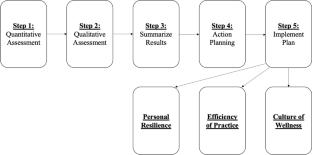
Individuals in academic settings (e.g., graduate students; faculty/trainees in academic medical centers) experience elevated rates of burnout and decreased psychological well-being, in part attributed to contextual factors that place these professionals at greater risk for psychological difficulties and well-being deficits. Accordingly, there is a need for implementation of evidentiary interventions to facilitate contextual changes in academic environments to reduce burnout and promote psychological well-being. Resilience-informed interventions have been incorporated in healthcare settings, businesses, and clinical contexts, and may represent one viable intervention option. Using the Stanford Model of Professional Fulfillment (SMOPF) as a general framework, in conjunction with established evidence-based resilience interventions, strategies focusing on enhancing personal resilience are reviewed (drawing primarily from cognitive-behavioral perspectives), in addition to resilience-based interventions addressing efficiency of practice. Finally, resilience-based interventions designed to facilitate a culture of wellness are discussed. We offer a description of an integrated model driven by personal resilience, efficiency of practice, and cultural assessments to guide a tailored action recommendation plan of concrete intervention strategies that can be implemented within units, divisions, departments, broader medical university settings, and graduate programs. Suggestions for future dissemination and implementation efforts of resilience-based strategies in academic settings to promote psychological well-being are also offered.




 京公网安备 11010802042870号
京ICP备2023020795号-1
京公网安备 11010802042870号
京ICP备2023020795号-1

 分享
分享

 求助内容:
求助内容: 应助结果提醒方式:
 扫码关注我们
