{"title":"预测自密实混凝土抗压强度和坍落度流动的贝叶斯网络模型","authors":"Khalil Abdi, Nabil Kebaili, Mohamed Djouhri","doi":"10.1007/s42107-023-00928-3","DOIUrl":null,"url":null,"abstract":"<div><p>In this research paper, Bayesian networks were used to predict slump flow and compressive strength of self-compacting concrete (SCC) based on dune sand, which are essential values for evaluating this concrete’s rheological and mechanical properties. Slump flow and compressive strength values were predicted using a machine learning method based on a database extracted from previous literature (113 samples). These values were compared with the results of experimental work to determine the accuracy of the forecasting process. Based on the practical work, it is also possible to know the effect of replacing crushed sand with dune sand in the self-compacting concrete mixtures on its properties. The results showed that there is a notable convergence between the predictive and experimental values of the studied properties, as the percentage of the integrated absolute error is low and does not exceed 2.46% for slump flow and 1.49% for compressive resistance, demonstrating the effectiveness of the prediction approach employed in this study. It was also concluded that low to medium percentages (up to 50%) of dune sand have a positive impact on the rheological properties, improving filling and passing abilities, as well as segregation resistance. Moreover, it was observed that these rates of dune sand do not harm the mechanical properties of this concrete. These findings encourage the dual use of dune sand alongside crushed sand in the production of self-compacting concrete.</p></div>","PeriodicalId":8513,"journal":{"name":"Asian Journal of Civil Engineering","volume":"25 3","pages":"2567 - 2578"},"PeriodicalIF":0.0000,"publicationDate":"2023-11-23","publicationTypes":"Journal Article","fieldsOfStudy":null,"isOpenAccess":false,"openAccessPdf":"","citationCount":"0","resultStr":"{\"title\":\"Bayesian networks modelling for predicting compressive strength and slump flow of self-compacting concrete\",\"authors\":\"Khalil Abdi, Nabil Kebaili, Mohamed Djouhri\",\"doi\":\"10.1007/s42107-023-00928-3\",\"DOIUrl\":null,\"url\":null,\"abstract\":\"<div><p>In this research paper, Bayesian networks were used to predict slump flow and compressive strength of self-compacting concrete (SCC) based on dune sand, which are essential values for evaluating this concrete’s rheological and mechanical properties. Slump flow and compressive strength values were predicted using a machine learning method based on a database extracted from previous literature (113 samples). These values were compared with the results of experimental work to determine the accuracy of the forecasting process. Based on the practical work, it is also possible to know the effect of replacing crushed sand with dune sand in the self-compacting concrete mixtures on its properties. The results showed that there is a notable convergence between the predictive and experimental values of the studied properties, as the percentage of the integrated absolute error is low and does not exceed 2.46% for slump flow and 1.49% for compressive resistance, demonstrating the effectiveness of the prediction approach employed in this study. It was also concluded that low to medium percentages (up to 50%) of dune sand have a positive impact on the rheological properties, improving filling and passing abilities, as well as segregation resistance. Moreover, it was observed that these rates of dune sand do not harm the mechanical properties of this concrete. These findings encourage the dual use of dune sand alongside crushed sand in the production of self-compacting concrete.</p></div>\",\"PeriodicalId\":8513,\"journal\":{\"name\":\"Asian Journal of Civil Engineering\",\"volume\":\"25 3\",\"pages\":\"2567 - 2578\"},\"PeriodicalIF\":0.0000,\"publicationDate\":\"2023-11-23\",\"publicationTypes\":\"Journal Article\",\"fieldsOfStudy\":null,\"isOpenAccess\":false,\"openAccessPdf\":\"\",\"citationCount\":\"0\",\"resultStr\":null,\"platform\":\"Semanticscholar\",\"paperid\":null,\"PeriodicalName\":\"Asian Journal of Civil Engineering\",\"FirstCategoryId\":\"1085\",\"ListUrlMain\":\"https://link.springer.com/article/10.1007/s42107-023-00928-3\",\"RegionNum\":0,\"RegionCategory\":null,\"ArticlePicture\":[],\"TitleCN\":null,\"AbstractTextCN\":null,\"PMCID\":null,\"EPubDate\":\"\",\"PubModel\":\"\",\"JCR\":\"Q2\",\"JCRName\":\"Engineering\",\"Score\":null,\"Total\":0}","platform":"Semanticscholar","paperid":null,"PeriodicalName":"Asian Journal of Civil Engineering","FirstCategoryId":"1085","ListUrlMain":"https://link.springer.com/article/10.1007/s42107-023-00928-3","RegionNum":0,"RegionCategory":null,"ArticlePicture":[],"TitleCN":null,"AbstractTextCN":null,"PMCID":null,"EPubDate":"","PubModel":"","JCR":"Q2","JCRName":"Engineering","Score":null,"Total":0}
Bayesian networks modelling for predicting compressive strength and slump flow of self-compacting concrete
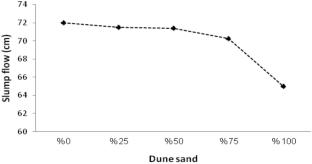
In this research paper, Bayesian networks were used to predict slump flow and compressive strength of self-compacting concrete (SCC) based on dune sand, which are essential values for evaluating this concrete’s rheological and mechanical properties. Slump flow and compressive strength values were predicted using a machine learning method based on a database extracted from previous literature (113 samples). These values were compared with the results of experimental work to determine the accuracy of the forecasting process. Based on the practical work, it is also possible to know the effect of replacing crushed sand with dune sand in the self-compacting concrete mixtures on its properties. The results showed that there is a notable convergence between the predictive and experimental values of the studied properties, as the percentage of the integrated absolute error is low and does not exceed 2.46% for slump flow and 1.49% for compressive resistance, demonstrating the effectiveness of the prediction approach employed in this study. It was also concluded that low to medium percentages (up to 50%) of dune sand have a positive impact on the rheological properties, improving filling and passing abilities, as well as segregation resistance. Moreover, it was observed that these rates of dune sand do not harm the mechanical properties of this concrete. These findings encourage the dual use of dune sand alongside crushed sand in the production of self-compacting concrete.
期刊介绍:
The Asian Journal of Civil Engineering (Building and Housing) welcomes articles and research contributions on topics such as:- Structural analysis and design - Earthquake and structural engineering - New building materials and concrete technology - Sustainable building and energy conservation - Housing and planning - Construction management - Optimal design of structuresPlease note that the journal will not accept papers in the area of hydraulic or geotechnical engineering, traffic/transportation or road making engineering, and on materials relevant to non-structural buildings, e.g. materials for road making and asphalt. Although the journal will publish authoritative papers on theoretical and experimental research works and advanced applications, it may also feature, when appropriate: a) tutorial survey type papers reviewing some fields of civil engineering; b) short communications and research notes; c) book reviews and conference announcements.




 京公网安备 11010802042870号
京ICP备2023020795号-1
京公网安备 11010802042870号
京ICP备2023020795号-1

 分享
分享
 求助内容:
求助内容: 应助结果提醒方式:
 扫码关注我们
