Shenyang Huang, Umika Paul, Shikhar Gupta, Karen Desai, Melinda Guo, Jennifer Jung, Beatrice Capestany, William D Krenzer, Dylan Stonecipher, Nita Farahany
{"title":"美国公众对大脑数据敏感性的看法。","authors":"Shenyang Huang, Umika Paul, Shikhar Gupta, Karen Desai, Melinda Guo, Jennifer Jung, Beatrice Capestany, William D Krenzer, Dylan Stonecipher, Nita Farahany","doi":"10.1093/jlb/lsad032","DOIUrl":null,"url":null,"abstract":"<p><p>As we approach an era of potentially widespread consumer neurotechnology, scholars and organizations worldwide have started to raise concerns about the data privacy issues these devices will present. Notably absent in these discussions is empirical evidence about how the public perceives that same information. This article presents the results of a nationwide survey on public perceptions of brain data, to inform discussions of law and policy regarding brain data governance. The survey reveals that the public may perceive certain brain data as less sensitive than other 'private' information, like social security numbers, but more sensitive than some 'public' information, like media preferences. The findings also reveal that not all inferences about mental experiences may be perceived as equally sensitive, and perhaps not all data should be treated alike in ethical and policy discussions. An enhanced understanding of public perceptions of brain data could advance the development of ethical and legal norms concerning consumer neurotechnology.</p>","PeriodicalId":56266,"journal":{"name":"Journal of Law and the Biosciences","volume":"11 1","pages":"lsad032"},"PeriodicalIF":2.4000,"publicationDate":"2024-01-18","publicationTypes":"Journal Article","fieldsOfStudy":null,"isOpenAccess":false,"openAccessPdf":"https://www.ncbi.nlm.nih.gov/pmc/articles/PMC10800024/pdf/","citationCount":"0","resultStr":"{\"title\":\"U.S. public perceptions of the sensitivity of brain data.\",\"authors\":\"Shenyang Huang, Umika Paul, Shikhar Gupta, Karen Desai, Melinda Guo, Jennifer Jung, Beatrice Capestany, William D Krenzer, Dylan Stonecipher, Nita Farahany\",\"doi\":\"10.1093/jlb/lsad032\",\"DOIUrl\":null,\"url\":null,\"abstract\":\"<p><p>As we approach an era of potentially widespread consumer neurotechnology, scholars and organizations worldwide have started to raise concerns about the data privacy issues these devices will present. Notably absent in these discussions is empirical evidence about how the public perceives that same information. This article presents the results of a nationwide survey on public perceptions of brain data, to inform discussions of law and policy regarding brain data governance. The survey reveals that the public may perceive certain brain data as less sensitive than other 'private' information, like social security numbers, but more sensitive than some 'public' information, like media preferences. The findings also reveal that not all inferences about mental experiences may be perceived as equally sensitive, and perhaps not all data should be treated alike in ethical and policy discussions. An enhanced understanding of public perceptions of brain data could advance the development of ethical and legal norms concerning consumer neurotechnology.</p>\",\"PeriodicalId\":56266,\"journal\":{\"name\":\"Journal of Law and the Biosciences\",\"volume\":\"11 1\",\"pages\":\"lsad032\"},\"PeriodicalIF\":2.4000,\"publicationDate\":\"2024-01-18\",\"publicationTypes\":\"Journal Article\",\"fieldsOfStudy\":null,\"isOpenAccess\":false,\"openAccessPdf\":\"https://www.ncbi.nlm.nih.gov/pmc/articles/PMC10800024/pdf/\",\"citationCount\":\"0\",\"resultStr\":null,\"platform\":\"Semanticscholar\",\"paperid\":null,\"PeriodicalName\":\"Journal of Law and the Biosciences\",\"FirstCategoryId\":\"3\",\"ListUrlMain\":\"https://doi.org/10.1093/jlb/lsad032\",\"RegionNum\":2,\"RegionCategory\":\"哲学\",\"ArticlePicture\":[],\"TitleCN\":null,\"AbstractTextCN\":null,\"PMCID\":null,\"EPubDate\":\"2024/1/1 0:00:00\",\"PubModel\":\"eCollection\",\"JCR\":\"Q1\",\"JCRName\":\"ETHICS\",\"Score\":null,\"Total\":0}","platform":"Semanticscholar","paperid":null,"PeriodicalName":"Journal of Law and the Biosciences","FirstCategoryId":"3","ListUrlMain":"https://doi.org/10.1093/jlb/lsad032","RegionNum":2,"RegionCategory":"哲学","ArticlePicture":[],"TitleCN":null,"AbstractTextCN":null,"PMCID":null,"EPubDate":"2024/1/1 0:00:00","PubModel":"eCollection","JCR":"Q1","JCRName":"ETHICS","Score":null,"Total":0}
U.S. public perceptions of the sensitivity of brain data.
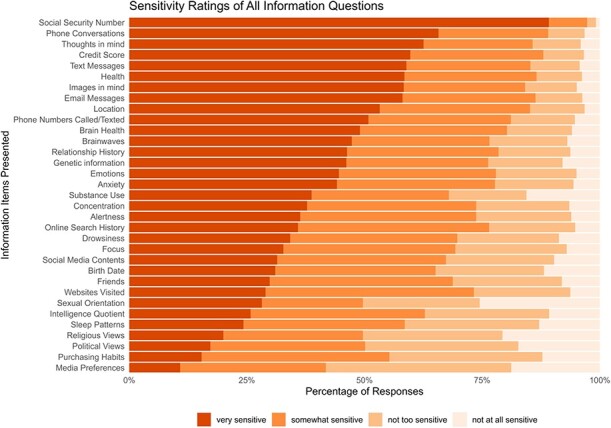
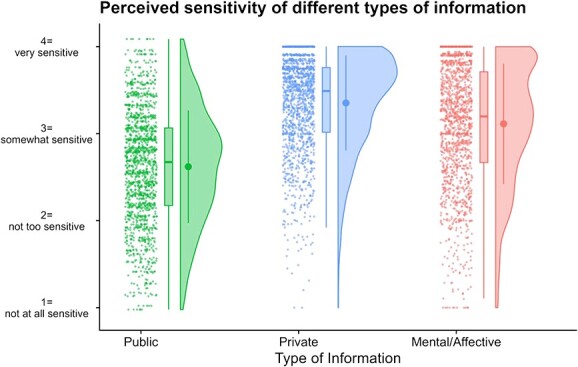
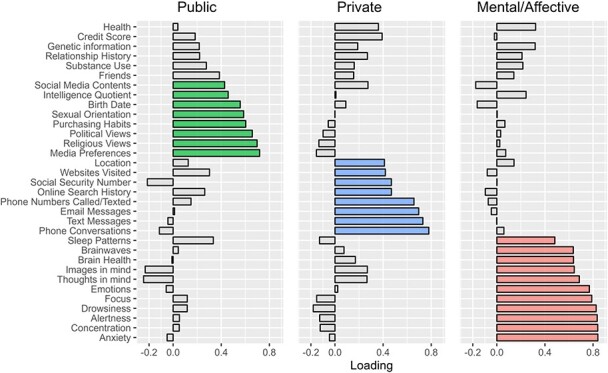
As we approach an era of potentially widespread consumer neurotechnology, scholars and organizations worldwide have started to raise concerns about the data privacy issues these devices will present. Notably absent in these discussions is empirical evidence about how the public perceives that same information. This article presents the results of a nationwide survey on public perceptions of brain data, to inform discussions of law and policy regarding brain data governance. The survey reveals that the public may perceive certain brain data as less sensitive than other 'private' information, like social security numbers, but more sensitive than some 'public' information, like media preferences. The findings also reveal that not all inferences about mental experiences may be perceived as equally sensitive, and perhaps not all data should be treated alike in ethical and policy discussions. An enhanced understanding of public perceptions of brain data could advance the development of ethical and legal norms concerning consumer neurotechnology.
期刊介绍:
The Journal of Law and the Biosciences (JLB) is the first fully Open Access peer-reviewed legal journal focused on the advances at the intersection of law and the biosciences. A co-venture between Duke University, Harvard University Law School, and Stanford University, and published by Oxford University Press, this open access, online, and interdisciplinary academic journal publishes cutting-edge scholarship in this important new field. The Journal contains original and response articles, essays, and commentaries on a wide range of topics, including bioethics, neuroethics, genetics, reproductive technologies, stem cells, enhancement, patent law, and food and drug regulation. JLB is published as one volume with three issues per year with new articles posted online on an ongoing basis.




 京公网安备 11010802042870号
京ICP备2023020795号-1
京公网安备 11010802042870号
京ICP备2023020795号-1

 分享
分享
 求助内容:
求助内容: 应助结果提醒方式:
 扫码关注我们
