Niels G. Mede, Adrian Rauchfleisch, Julia Metag, Mike S. Schäfer
{"title":"知识高估、社交媒体使用和民粹主义思想的相互作用:来自德国和台湾的横断面和实验证据","authors":"Niels G. Mede, Adrian Rauchfleisch, Julia Metag, Mike S. Schäfer","doi":"10.1177/00936502241230203","DOIUrl":null,"url":null,"abstract":"Social media expose users to an abundance of information about various issues. But they also make it difficult for users to assess the quality of this information. If users do not recognize this, they may overestimate their knowledge about those issues. Knowledge overestimation may lead to increased social media engagement and can be linked to attitudes deeming expert knowledge inferior to common sense, such as science-related populist attitudes. We investigate this during the COVID-19 pandemic in two preregistered, cross-sectional survey experiments in Germany and Taiwan, two countries with different cultures, media environments, and responses to the pandemic. Our study offers two contributions: First, we develop a novel measure of COVID-19-related knowledge. Second, we provide comparative evidence on how social media affordances shape the interplay between knowledge overestimation, social media exposure and engagement, and populist attitudes. We do not find that frequent exposure to COVID-19 information is associated with a higher likelihood of knowledge overestimation. However, we show that overestimation is linked to more user engagement with social media content about COVID-19. Experimental data indicate that engagement depends on whether users are in a private or public communication environment. We find minor differences between Germany and Taiwan.","PeriodicalId":4,"journal":{"name":"ACS Applied Energy Materials","volume":"20 3","pages":""},"PeriodicalIF":5.5000,"publicationDate":"2024-02-10","publicationTypes":"Journal Article","fieldsOfStudy":null,"isOpenAccess":false,"openAccessPdf":"","citationCount":"0","resultStr":"{\"title\":\"The Interplay of Knowledge Overestimation, Social Media Use, and Populist Ideas: Cross-Sectional and Experimental Evidence From Germany and Taiwan\",\"authors\":\"Niels G. Mede, Adrian Rauchfleisch, Julia Metag, Mike S. Schäfer\",\"doi\":\"10.1177/00936502241230203\",\"DOIUrl\":null,\"url\":null,\"abstract\":\"Social media expose users to an abundance of information about various issues. But they also make it difficult for users to assess the quality of this information. If users do not recognize this, they may overestimate their knowledge about those issues. Knowledge overestimation may lead to increased social media engagement and can be linked to attitudes deeming expert knowledge inferior to common sense, such as science-related populist attitudes. We investigate this during the COVID-19 pandemic in two preregistered, cross-sectional survey experiments in Germany and Taiwan, two countries with different cultures, media environments, and responses to the pandemic. Our study offers two contributions: First, we develop a novel measure of COVID-19-related knowledge. Second, we provide comparative evidence on how social media affordances shape the interplay between knowledge overestimation, social media exposure and engagement, and populist attitudes. We do not find that frequent exposure to COVID-19 information is associated with a higher likelihood of knowledge overestimation. However, we show that overestimation is linked to more user engagement with social media content about COVID-19. Experimental data indicate that engagement depends on whether users are in a private or public communication environment. We find minor differences between Germany and Taiwan.\",\"PeriodicalId\":4,\"journal\":{\"name\":\"ACS Applied Energy Materials\",\"volume\":\"20 3\",\"pages\":\"\"},\"PeriodicalIF\":5.5000,\"publicationDate\":\"2024-02-10\",\"publicationTypes\":\"Journal Article\",\"fieldsOfStudy\":null,\"isOpenAccess\":false,\"openAccessPdf\":\"\",\"citationCount\":\"0\",\"resultStr\":null,\"platform\":\"Semanticscholar\",\"paperid\":null,\"PeriodicalName\":\"ACS Applied Energy Materials\",\"FirstCategoryId\":\"98\",\"ListUrlMain\":\"https://doi.org/10.1177/00936502241230203\",\"RegionNum\":3,\"RegionCategory\":\"材料科学\",\"ArticlePicture\":[],\"TitleCN\":null,\"AbstractTextCN\":null,\"PMCID\":null,\"EPubDate\":\"\",\"PubModel\":\"\",\"JCR\":\"Q2\",\"JCRName\":\"CHEMISTRY, PHYSICAL\",\"Score\":null,\"Total\":0}","platform":"Semanticscholar","paperid":null,"PeriodicalName":"ACS Applied Energy Materials","FirstCategoryId":"98","ListUrlMain":"https://doi.org/10.1177/00936502241230203","RegionNum":3,"RegionCategory":"材料科学","ArticlePicture":[],"TitleCN":null,"AbstractTextCN":null,"PMCID":null,"EPubDate":"","PubModel":"","JCR":"Q2","JCRName":"CHEMISTRY, PHYSICAL","Score":null,"Total":0}
The Interplay of Knowledge Overestimation, Social Media Use, and Populist Ideas: Cross-Sectional and Experimental Evidence From Germany and Taiwan
Social media expose users to an abundance of information about various issues. But they also make it difficult for users to assess the quality of this information. If users do not recognize this, they may overestimate their knowledge about those issues. Knowledge overestimation may lead to increased social media engagement and can be linked to attitudes deeming expert knowledge inferior to common sense, such as science-related populist attitudes. We investigate this during the COVID-19 pandemic in two preregistered, cross-sectional survey experiments in Germany and Taiwan, two countries with different cultures, media environments, and responses to the pandemic. Our study offers two contributions: First, we develop a novel measure of COVID-19-related knowledge. Second, we provide comparative evidence on how social media affordances shape the interplay between knowledge overestimation, social media exposure and engagement, and populist attitudes. We do not find that frequent exposure to COVID-19 information is associated with a higher likelihood of knowledge overestimation. However, we show that overestimation is linked to more user engagement with social media content about COVID-19. Experimental data indicate that engagement depends on whether users are in a private or public communication environment. We find minor differences between Germany and Taiwan.
期刊介绍:
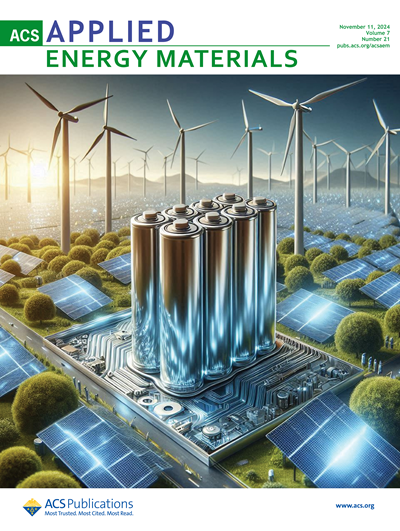
ACS Applied Energy Materials is an interdisciplinary journal publishing original research covering all aspects of materials, engineering, chemistry, physics and biology relevant to energy conversion and storage. The journal is devoted to reports of new and original experimental and theoretical research of an applied nature that integrate knowledge in the areas of materials, engineering, physics, bioscience, and chemistry into important energy applications.




 京公网安备 11010802042870号
京ICP备2023020795号-1
京公网安备 11010802042870号
京ICP备2023020795号-1

 分享
分享
 求助内容:
求助内容: 应助结果提醒方式:
 扫码关注我们
