Clothilde Laurent, Roger Mieusset, Jean-Claude Soufir, Jeanne Perrin
{"title":"荷尔蒙或热敏男性避孕药具的实际使用者:分析女性伴侣的动机、体验和满意度。","authors":"Clothilde Laurent, Roger Mieusset, Jean-Claude Soufir, Jeanne Perrin","doi":"10.1111/andr.13608","DOIUrl":null,"url":null,"abstract":"<div>\n \n \n <section>\n \n <h3> Background</h3>\n \n <p>Two male contraceptive methods that inhibit spermatogenesis currently exist: thermal male contraception and hormonal male contraception. Only five studies have been conducted on the acceptability of these methods among men; among women, only the hypothetical acceptability of such a male contraceptive approach as the sole contraception method used by a couple has been evaluated.</p>\n </section>\n \n <section>\n \n <h3> Objectives</h3>\n \n <p>To evaluate the motivation, experience, and satisfaction of female partners in couples using hormonal male contraception or thermal male contraception as the sole contraception.</p>\n </section>\n \n <section>\n \n <h3> Materials and methods</h3>\n \n <p>In this cross-sectional study, 123 male users of hormonal male contraception or thermal male contraception as the couple's sole contraception method were asked to invite their female partner to participate in an anonymous online survey. The questionnaire included 95 questions exploring population characteristics, contraceptive and pregnancy history, motivations for choosing hormonal male contraception or thermal male contraception, the experience of the women in the successive phase of use, relationships with their partner, and satisfaction with the contraception method.</p>\n </section>\n \n <section>\n \n <h3> Results</h3>\n \n <p>The response rate among participating women was 69% (59/86). The two main reasons for choosing male contraceptive were the desire to share the contraception role in the couple (65%) and the desire of the man to take charge of the contraception (61%). The sexual satisfaction score increased significantly between the contraceptive methods used before hormonal male contraception or thermal male contraception and the phase of contraceptive use (<i>p</i> < 0.01). The overall satisfaction level with thermal male contraception or hormonal male contraception was rated at 3.7 ± 0.6 out of 4. Women mostly recommended hormonal male contraception or thermal male contraception because of the share of contraceptive responsibility and mental load (<i>n</i> = 23/54, 43%).</p>\n </section>\n \n <section>\n \n <h3> Discussion</h3>\n \n <p>This population of women seemed to have struggled to find a contraceptive method that suited them, but most took advantage of thermal male contraception or hormonal male contraception and trusted their male partner to take charge of contraception use.</p>\n </section>\n \n <section>\n \n <h3> Conclusion</h3>\n \n <p>The positive evaluation from women in partnerships using thermal male contraception and hormonal male contraception should encourage the development of these methods.</p>\n </section>\n </div>","PeriodicalId":7898,"journal":{"name":"Andrology","volume":"12 8","pages":"1808-1821"},"PeriodicalIF":3.4000,"publicationDate":"2024-02-29","publicationTypes":"Journal Article","fieldsOfStudy":null,"isOpenAccess":false,"openAccessPdf":"https://onlinelibrary.wiley.com/doi/epdf/10.1111/andr.13608","citationCount":"0","resultStr":"{\"title\":\"Real-life users of hormonal or thermal male contraception: An analysis of female partners’ motivation, experience, and satisfaction\",\"authors\":\"Clothilde Laurent, Roger Mieusset, Jean-Claude Soufir, Jeanne Perrin\",\"doi\":\"10.1111/andr.13608\",\"DOIUrl\":null,\"url\":null,\"abstract\":\"<div>\\n \\n \\n <section>\\n \\n <h3> Background</h3>\\n \\n <p>Two male contraceptive methods that inhibit spermatogenesis currently exist: thermal male contraception and hormonal male contraception. Only five studies have been conducted on the acceptability of these methods among men; among women, only the hypothetical acceptability of such a male contraceptive approach as the sole contraception method used by a couple has been evaluated.</p>\\n </section>\\n \\n <section>\\n \\n <h3> Objectives</h3>\\n \\n <p>To evaluate the motivation, experience, and satisfaction of female partners in couples using hormonal male contraception or thermal male contraception as the sole contraception.</p>\\n </section>\\n \\n <section>\\n \\n <h3> Materials and methods</h3>\\n \\n <p>In this cross-sectional study, 123 male users of hormonal male contraception or thermal male contraception as the couple's sole contraception method were asked to invite their female partner to participate in an anonymous online survey. The questionnaire included 95 questions exploring population characteristics, contraceptive and pregnancy history, motivations for choosing hormonal male contraception or thermal male contraception, the experience of the women in the successive phase of use, relationships with their partner, and satisfaction with the contraception method.</p>\\n </section>\\n \\n <section>\\n \\n <h3> Results</h3>\\n \\n <p>The response rate among participating women was 69% (59/86). The two main reasons for choosing male contraceptive were the desire to share the contraception role in the couple (65%) and the desire of the man to take charge of the contraception (61%). The sexual satisfaction score increased significantly between the contraceptive methods used before hormonal male contraception or thermal male contraception and the phase of contraceptive use (<i>p</i> < 0.01). The overall satisfaction level with thermal male contraception or hormonal male contraception was rated at 3.7 ± 0.6 out of 4. Women mostly recommended hormonal male contraception or thermal male contraception because of the share of contraceptive responsibility and mental load (<i>n</i> = 23/54, 43%).</p>\\n </section>\\n \\n <section>\\n \\n <h3> Discussion</h3>\\n \\n <p>This population of women seemed to have struggled to find a contraceptive method that suited them, but most took advantage of thermal male contraception or hormonal male contraception and trusted their male partner to take charge of contraception use.</p>\\n </section>\\n \\n <section>\\n \\n <h3> Conclusion</h3>\\n \\n <p>The positive evaluation from women in partnerships using thermal male contraception and hormonal male contraception should encourage the development of these methods.</p>\\n </section>\\n </div>\",\"PeriodicalId\":7898,\"journal\":{\"name\":\"Andrology\",\"volume\":\"12 8\",\"pages\":\"1808-1821\"},\"PeriodicalIF\":3.4000,\"publicationDate\":\"2024-02-29\",\"publicationTypes\":\"Journal Article\",\"fieldsOfStudy\":null,\"isOpenAccess\":false,\"openAccessPdf\":\"https://onlinelibrary.wiley.com/doi/epdf/10.1111/andr.13608\",\"citationCount\":\"0\",\"resultStr\":null,\"platform\":\"Semanticscholar\",\"paperid\":null,\"PeriodicalName\":\"Andrology\",\"FirstCategoryId\":\"3\",\"ListUrlMain\":\"https://onlinelibrary.wiley.com/doi/10.1111/andr.13608\",\"RegionNum\":2,\"RegionCategory\":\"医学\",\"ArticlePicture\":[],\"TitleCN\":null,\"AbstractTextCN\":null,\"PMCID\":null,\"EPubDate\":\"\",\"PubModel\":\"\",\"JCR\":\"Q1\",\"JCRName\":\"ANDROLOGY\",\"Score\":null,\"Total\":0}","platform":"Semanticscholar","paperid":null,"PeriodicalName":"Andrology","FirstCategoryId":"3","ListUrlMain":"https://onlinelibrary.wiley.com/doi/10.1111/andr.13608","RegionNum":2,"RegionCategory":"医学","ArticlePicture":[],"TitleCN":null,"AbstractTextCN":null,"PMCID":null,"EPubDate":"","PubModel":"","JCR":"Q1","JCRName":"ANDROLOGY","Score":null,"Total":0}
Real-life users of hormonal or thermal male contraception: An analysis of female partners’ motivation, experience, and satisfaction
Background
Two male contraceptive methods that inhibit spermatogenesis currently exist: thermal male contraception and hormonal male contraception. Only five studies have been conducted on the acceptability of these methods among men; among women, only the hypothetical acceptability of such a male contraceptive approach as the sole contraception method used by a couple has been evaluated.
Objectives
To evaluate the motivation, experience, and satisfaction of female partners in couples using hormonal male contraception or thermal male contraception as the sole contraception.
Materials and methods
In this cross-sectional study, 123 male users of hormonal male contraception or thermal male contraception as the couple's sole contraception method were asked to invite their female partner to participate in an anonymous online survey. The questionnaire included 95 questions exploring population characteristics, contraceptive and pregnancy history, motivations for choosing hormonal male contraception or thermal male contraception, the experience of the women in the successive phase of use, relationships with their partner, and satisfaction with the contraception method.
Results
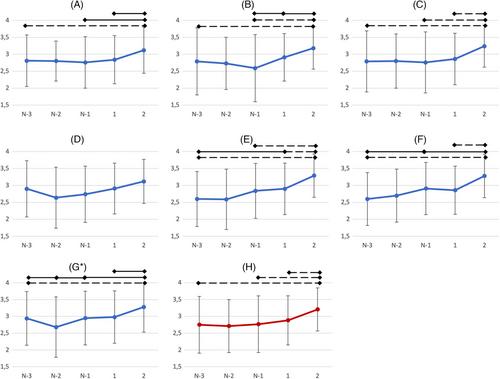
The response rate among participating women was 69% (59/86). The two main reasons for choosing male contraceptive were the desire to share the contraception role in the couple (65%) and the desire of the man to take charge of the contraception (61%). The sexual satisfaction score increased significantly between the contraceptive methods used before hormonal male contraception or thermal male contraception and the phase of contraceptive use (p < 0.01). The overall satisfaction level with thermal male contraception or hormonal male contraception was rated at 3.7 ± 0.6 out of 4. Women mostly recommended hormonal male contraception or thermal male contraception because of the share of contraceptive responsibility and mental load (n = 23/54, 43%).
Discussion
This population of women seemed to have struggled to find a contraceptive method that suited them, but most took advantage of thermal male contraception or hormonal male contraception and trusted their male partner to take charge of contraception use.
Conclusion
The positive evaluation from women in partnerships using thermal male contraception and hormonal male contraception should encourage the development of these methods.
期刊介绍:
Andrology is the study of the male reproductive system and other male gender related health issues. Andrology deals with basic and clinical aspects of the male reproductive system (gonads, endocrine and accessory organs) in all species, including the diagnosis and treatment of medical problems associated with sexual development, infertility, sexual dysfunction, sex hormone action and other urological problems. In medicine, Andrology as a specialty is a recent development, as it had previously been considered a subspecialty of urology or endocrinology





 京公网安备 11010802042870号
京ICP备2023020795号-1
京公网安备 11010802042870号
京ICP备2023020795号-1

 分享
分享
 求助内容:
求助内容: 应助结果提醒方式:
 扫码关注我们
