{"title":"机器学习模型揭示了不同的疾病亚群,并提高了对 SCN8A 功能增益变异致病个体的诊断和预后准确性。","authors":"Joshua B Hack, Joseph C Watkins, Michael F Hammer","doi":"10.1242/bio.060286","DOIUrl":null,"url":null,"abstract":"<p><p>Distinguishing clinical subgroups for patients suffering with diseases characterized by a wide phenotypic spectrum is essential for developing precision therapies. Patients with gain-of-function (GOF) variants in the SCN8A gene exhibit substantial clinical heterogeneity, viewed historically as a linear spectrum ranging from mild to severe. To test for hidden clinical subgroups, we applied two machine-learning algorithms to analyze a dataset of patient features collected by the International SCN8A Patient Registry. We used two research methodologies: a supervised approach that incorporated feature severity cutoffs based on clinical conventions, and an unsupervised approach employing an entirely data-driven strategy. Both approaches found statistical support for three distinct subgroups and were validated by correlation analyses using external variables. However, distinguishing features of the three subgroups within each approach were not concordant, suggesting a more complex phenotypic landscape. The unsupervised approach yielded strong support for a model involving three partially ordered subgroups rather than a linear spectrum. Application of these machine-learning approaches may lead to improved prognosis and clinical management of individuals with SCN8A GOF variants and provide insights into the underlying mechanisms of the disease.</p>","PeriodicalId":9216,"journal":{"name":"Biology Open","volume":" ","pages":""},"PeriodicalIF":1.7000,"publicationDate":"2024-04-15","publicationTypes":"Journal Article","fieldsOfStudy":null,"isOpenAccess":false,"openAccessPdf":"https://www.ncbi.nlm.nih.gov/pmc/articles/PMC11070785/pdf/","citationCount":"0","resultStr":"{\"title\":\"Machine learning models reveal distinct disease subgroups and improve diagnostic and prognostic accuracy for individuals with pathogenic SCN8A gain-of-function variants.\",\"authors\":\"Joshua B Hack, Joseph C Watkins, Michael F Hammer\",\"doi\":\"10.1242/bio.060286\",\"DOIUrl\":null,\"url\":null,\"abstract\":\"<p><p>Distinguishing clinical subgroups for patients suffering with diseases characterized by a wide phenotypic spectrum is essential for developing precision therapies. Patients with gain-of-function (GOF) variants in the SCN8A gene exhibit substantial clinical heterogeneity, viewed historically as a linear spectrum ranging from mild to severe. To test for hidden clinical subgroups, we applied two machine-learning algorithms to analyze a dataset of patient features collected by the International SCN8A Patient Registry. We used two research methodologies: a supervised approach that incorporated feature severity cutoffs based on clinical conventions, and an unsupervised approach employing an entirely data-driven strategy. Both approaches found statistical support for three distinct subgroups and were validated by correlation analyses using external variables. However, distinguishing features of the three subgroups within each approach were not concordant, suggesting a more complex phenotypic landscape. The unsupervised approach yielded strong support for a model involving three partially ordered subgroups rather than a linear spectrum. Application of these machine-learning approaches may lead to improved prognosis and clinical management of individuals with SCN8A GOF variants and provide insights into the underlying mechanisms of the disease.</p>\",\"PeriodicalId\":9216,\"journal\":{\"name\":\"Biology Open\",\"volume\":\" \",\"pages\":\"\"},\"PeriodicalIF\":1.7000,\"publicationDate\":\"2024-04-15\",\"publicationTypes\":\"Journal Article\",\"fieldsOfStudy\":null,\"isOpenAccess\":false,\"openAccessPdf\":\"https://www.ncbi.nlm.nih.gov/pmc/articles/PMC11070785/pdf/\",\"citationCount\":\"0\",\"resultStr\":null,\"platform\":\"Semanticscholar\",\"paperid\":null,\"PeriodicalName\":\"Biology Open\",\"FirstCategoryId\":\"99\",\"ListUrlMain\":\"https://doi.org/10.1242/bio.060286\",\"RegionNum\":4,\"RegionCategory\":\"生物学\",\"ArticlePicture\":[],\"TitleCN\":null,\"AbstractTextCN\":null,\"PMCID\":null,\"EPubDate\":\"2024/4/24 0:00:00\",\"PubModel\":\"Epub\",\"JCR\":\"Q3\",\"JCRName\":\"BIOLOGY\",\"Score\":null,\"Total\":0}","platform":"Semanticscholar","paperid":null,"PeriodicalName":"Biology Open","FirstCategoryId":"99","ListUrlMain":"https://doi.org/10.1242/bio.060286","RegionNum":4,"RegionCategory":"生物学","ArticlePicture":[],"TitleCN":null,"AbstractTextCN":null,"PMCID":null,"EPubDate":"2024/4/24 0:00:00","PubModel":"Epub","JCR":"Q3","JCRName":"BIOLOGY","Score":null,"Total":0}
Machine learning models reveal distinct disease subgroups and improve diagnostic and prognostic accuracy for individuals with pathogenic SCN8A gain-of-function variants.
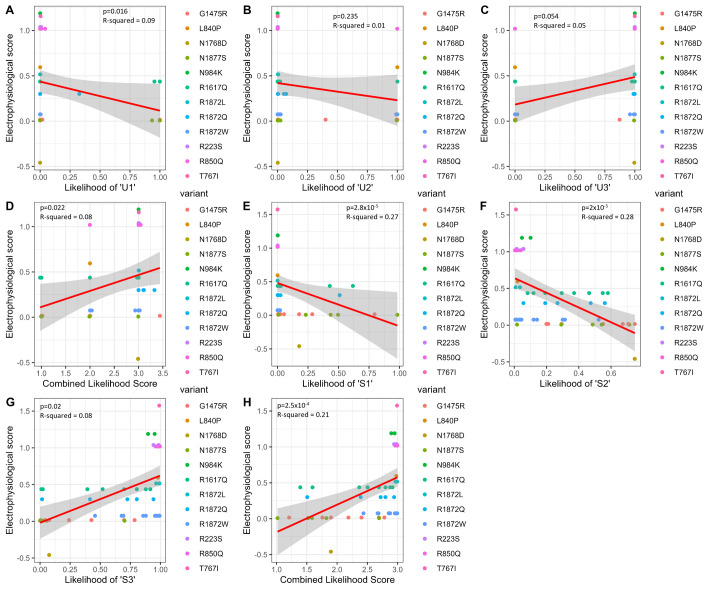
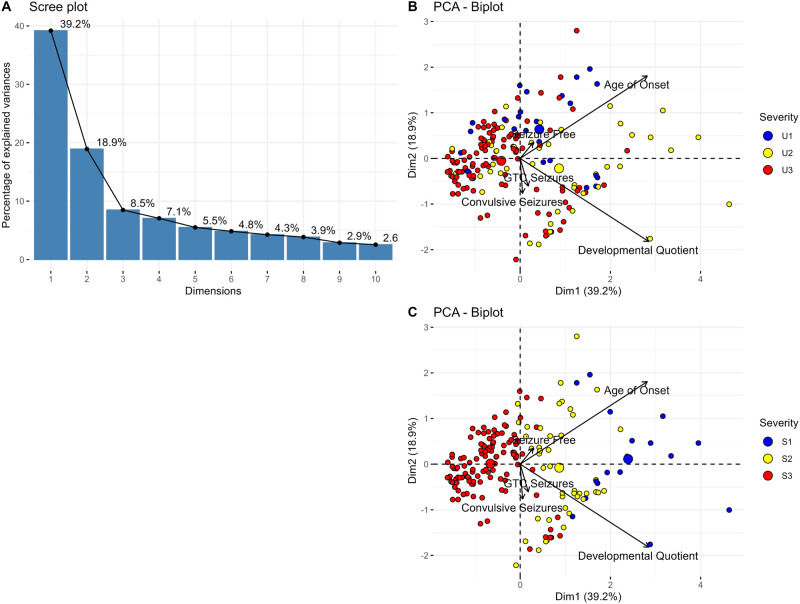
Distinguishing clinical subgroups for patients suffering with diseases characterized by a wide phenotypic spectrum is essential for developing precision therapies. Patients with gain-of-function (GOF) variants in the SCN8A gene exhibit substantial clinical heterogeneity, viewed historically as a linear spectrum ranging from mild to severe. To test for hidden clinical subgroups, we applied two machine-learning algorithms to analyze a dataset of patient features collected by the International SCN8A Patient Registry. We used two research methodologies: a supervised approach that incorporated feature severity cutoffs based on clinical conventions, and an unsupervised approach employing an entirely data-driven strategy. Both approaches found statistical support for three distinct subgroups and were validated by correlation analyses using external variables. However, distinguishing features of the three subgroups within each approach were not concordant, suggesting a more complex phenotypic landscape. The unsupervised approach yielded strong support for a model involving three partially ordered subgroups rather than a linear spectrum. Application of these machine-learning approaches may lead to improved prognosis and clinical management of individuals with SCN8A GOF variants and provide insights into the underlying mechanisms of the disease.
期刊介绍:
Biology Open (BiO) is an online Open Access journal that publishes peer-reviewed original research across all aspects of the biological sciences. BiO aims to provide rapid publication for scientifically sound observations and valid conclusions, without a requirement for perceived impact.





 京公网安备 11010802042870号
京ICP备2023020795号-1
京公网安备 11010802042870号
京ICP备2023020795号-1

 分享
分享
 求助内容:
求助内容: 应助结果提醒方式:
 扫码关注我们
