{"title":"技术进步是促进还是防止贸易冲突?来自中国的证据","authors":"Qian Zhao, Chi-Wei Su, Adelina Dumitrescu Peculea","doi":"10.3846/tede.2024.18691","DOIUrl":null,"url":null,"abstract":"Using the bootstrap rolling-window subsample Granger causality test from China, this study analyses the influence of technological progress (TP) on trade conflict (TC). The results show that TP can both promote and prevent TC. In 2012 and 2018, TP led to more trade conflicts between China and its trading partners. This result proves the “trade-loss effect”, suggesting that TP in one country promotes TC by threatening other countries’ income. However, TP had a negative influence on TC in 2021 and 2022. This finding is consistent with the “welfare effect”, implying that TP can prevent TC by providing more high-quality and cheaper products for worldwide consumers. This study suggests that the government should adopt appropriate trade policies when encouraging TP to promote bilateral trade. Furthermore, firms should develop their own high-quality irreplaceable products through technological innovation to address TC risk.","PeriodicalId":4,"journal":{"name":"ACS Applied Energy Materials","volume":" 30","pages":""},"PeriodicalIF":5.5000,"publicationDate":"2024-03-22","publicationTypes":"Journal Article","fieldsOfStudy":null,"isOpenAccess":false,"openAccessPdf":"","citationCount":"0","resultStr":"{\"title\":\"DOES TECHNOLOGICAL PROGRESS PROMOTE OR PREVENT TRADE CONFLICT? EVIDENCE FROM CHINA\",\"authors\":\"Qian Zhao, Chi-Wei Su, Adelina Dumitrescu Peculea\",\"doi\":\"10.3846/tede.2024.18691\",\"DOIUrl\":null,\"url\":null,\"abstract\":\"Using the bootstrap rolling-window subsample Granger causality test from China, this study analyses the influence of technological progress (TP) on trade conflict (TC). The results show that TP can both promote and prevent TC. In 2012 and 2018, TP led to more trade conflicts between China and its trading partners. This result proves the “trade-loss effect”, suggesting that TP in one country promotes TC by threatening other countries’ income. However, TP had a negative influence on TC in 2021 and 2022. This finding is consistent with the “welfare effect”, implying that TP can prevent TC by providing more high-quality and cheaper products for worldwide consumers. This study suggests that the government should adopt appropriate trade policies when encouraging TP to promote bilateral trade. Furthermore, firms should develop their own high-quality irreplaceable products through technological innovation to address TC risk.\",\"PeriodicalId\":4,\"journal\":{\"name\":\"ACS Applied Energy Materials\",\"volume\":\" 30\",\"pages\":\"\"},\"PeriodicalIF\":5.5000,\"publicationDate\":\"2024-03-22\",\"publicationTypes\":\"Journal Article\",\"fieldsOfStudy\":null,\"isOpenAccess\":false,\"openAccessPdf\":\"\",\"citationCount\":\"0\",\"resultStr\":null,\"platform\":\"Semanticscholar\",\"paperid\":null,\"PeriodicalName\":\"ACS Applied Energy Materials\",\"FirstCategoryId\":\"96\",\"ListUrlMain\":\"https://doi.org/10.3846/tede.2024.18691\",\"RegionNum\":3,\"RegionCategory\":\"材料科学\",\"ArticlePicture\":[],\"TitleCN\":null,\"AbstractTextCN\":null,\"PMCID\":null,\"EPubDate\":\"\",\"PubModel\":\"\",\"JCR\":\"Q2\",\"JCRName\":\"CHEMISTRY, PHYSICAL\",\"Score\":null,\"Total\":0}","platform":"Semanticscholar","paperid":null,"PeriodicalName":"ACS Applied Energy Materials","FirstCategoryId":"96","ListUrlMain":"https://doi.org/10.3846/tede.2024.18691","RegionNum":3,"RegionCategory":"材料科学","ArticlePicture":[],"TitleCN":null,"AbstractTextCN":null,"PMCID":null,"EPubDate":"","PubModel":"","JCR":"Q2","JCRName":"CHEMISTRY, PHYSICAL","Score":null,"Total":0}
DOES TECHNOLOGICAL PROGRESS PROMOTE OR PREVENT TRADE CONFLICT? EVIDENCE FROM CHINA
Using the bootstrap rolling-window subsample Granger causality test from China, this study analyses the influence of technological progress (TP) on trade conflict (TC). The results show that TP can both promote and prevent TC. In 2012 and 2018, TP led to more trade conflicts between China and its trading partners. This result proves the “trade-loss effect”, suggesting that TP in one country promotes TC by threatening other countries’ income. However, TP had a negative influence on TC in 2021 and 2022. This finding is consistent with the “welfare effect”, implying that TP can prevent TC by providing more high-quality and cheaper products for worldwide consumers. This study suggests that the government should adopt appropriate trade policies when encouraging TP to promote bilateral trade. Furthermore, firms should develop their own high-quality irreplaceable products through technological innovation to address TC risk.
期刊介绍:
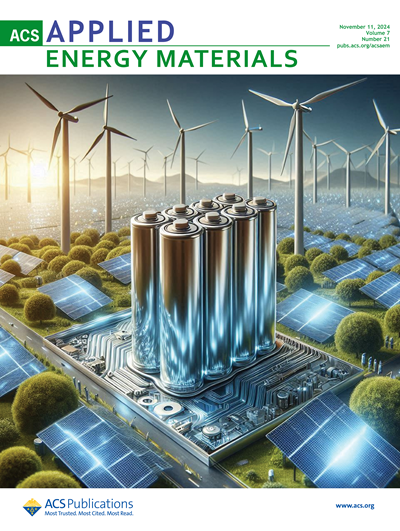
ACS Applied Energy Materials is an interdisciplinary journal publishing original research covering all aspects of materials, engineering, chemistry, physics and biology relevant to energy conversion and storage. The journal is devoted to reports of new and original experimental and theoretical research of an applied nature that integrate knowledge in the areas of materials, engineering, physics, bioscience, and chemistry into important energy applications.




 京公网安备 11010802042870号
京ICP备2023020795号-1
京公网安备 11010802042870号
京ICP备2023020795号-1

 分享
分享
 求助内容:
求助内容: 应助结果提醒方式:
 扫码关注我们
