{"title":"如何避免过度模仿动物","authors":"Jedediah W. P. Allen, Kristin Andrews","doi":"10.1159/000537938","DOIUrl":null,"url":null,"abstract":"Human culture is seen as more cumulative, cooperative, and normative, in contrast to animal cultures. One hypothesis to explain these differences is the over-imitation hypothesis—that the differences between human culture and animal cultures can be traced to the human unique tendency to over-imitate. In this paper we analyze the current state of the literature on animal over-imitation and challenge the adequacy of the over-imitation hypothesis. To make this argument, we first argue that the function of human over-imitation is norm-learning. Then we review the empirical evidence against animal over-imitation and argue that these studies do not take into account relevant variables given the normative nature of over-imitation. We then analyze positive empirical evidence of over-imitation in great apes and canids and conclude they may have some capacity for over-imitation. In addition to the methodological suggestion for how to study animal over-imitation, a theoretical suggestion is that over-imitation might be much more widely found among species. The larger implication is that if we do find widespread evidence of over-imitation across species, many of the current theories of human uniqueness that focus on human hyper-cooperation or social norms may have only identified a difference of degree between humans and other animals.","PeriodicalId":4,"journal":{"name":"ACS Applied Energy Materials","volume":"234 1","pages":""},"PeriodicalIF":5.5000,"publicationDate":"2024-02-20","publicationTypes":"Journal Article","fieldsOfStudy":null,"isOpenAccess":false,"openAccessPdf":"","citationCount":"0","resultStr":"{\"title\":\"How Not to Find Over-imitation in Animals\",\"authors\":\"Jedediah W. P. Allen, Kristin Andrews\",\"doi\":\"10.1159/000537938\",\"DOIUrl\":null,\"url\":null,\"abstract\":\"Human culture is seen as more cumulative, cooperative, and normative, in contrast to animal cultures. One hypothesis to explain these differences is the over-imitation hypothesis—that the differences between human culture and animal cultures can be traced to the human unique tendency to over-imitate. In this paper we analyze the current state of the literature on animal over-imitation and challenge the adequacy of the over-imitation hypothesis. To make this argument, we first argue that the function of human over-imitation is norm-learning. Then we review the empirical evidence against animal over-imitation and argue that these studies do not take into account relevant variables given the normative nature of over-imitation. We then analyze positive empirical evidence of over-imitation in great apes and canids and conclude they may have some capacity for over-imitation. In addition to the methodological suggestion for how to study animal over-imitation, a theoretical suggestion is that over-imitation might be much more widely found among species. The larger implication is that if we do find widespread evidence of over-imitation across species, many of the current theories of human uniqueness that focus on human hyper-cooperation or social norms may have only identified a difference of degree between humans and other animals.\",\"PeriodicalId\":4,\"journal\":{\"name\":\"ACS Applied Energy Materials\",\"volume\":\"234 1\",\"pages\":\"\"},\"PeriodicalIF\":5.5000,\"publicationDate\":\"2024-02-20\",\"publicationTypes\":\"Journal Article\",\"fieldsOfStudy\":null,\"isOpenAccess\":false,\"openAccessPdf\":\"\",\"citationCount\":\"0\",\"resultStr\":null,\"platform\":\"Semanticscholar\",\"paperid\":null,\"PeriodicalName\":\"ACS Applied Energy Materials\",\"FirstCategoryId\":\"102\",\"ListUrlMain\":\"https://doi.org/10.1159/000537938\",\"RegionNum\":3,\"RegionCategory\":\"材料科学\",\"ArticlePicture\":[],\"TitleCN\":null,\"AbstractTextCN\":null,\"PMCID\":null,\"EPubDate\":\"\",\"PubModel\":\"\",\"JCR\":\"Q2\",\"JCRName\":\"CHEMISTRY, PHYSICAL\",\"Score\":null,\"Total\":0}","platform":"Semanticscholar","paperid":null,"PeriodicalName":"ACS Applied Energy Materials","FirstCategoryId":"102","ListUrlMain":"https://doi.org/10.1159/000537938","RegionNum":3,"RegionCategory":"材料科学","ArticlePicture":[],"TitleCN":null,"AbstractTextCN":null,"PMCID":null,"EPubDate":"","PubModel":"","JCR":"Q2","JCRName":"CHEMISTRY, PHYSICAL","Score":null,"Total":0}
Human culture is seen as more cumulative, cooperative, and normative, in contrast to animal cultures. One hypothesis to explain these differences is the over-imitation hypothesis—that the differences between human culture and animal cultures can be traced to the human unique tendency to over-imitate. In this paper we analyze the current state of the literature on animal over-imitation and challenge the adequacy of the over-imitation hypothesis. To make this argument, we first argue that the function of human over-imitation is norm-learning. Then we review the empirical evidence against animal over-imitation and argue that these studies do not take into account relevant variables given the normative nature of over-imitation. We then analyze positive empirical evidence of over-imitation in great apes and canids and conclude they may have some capacity for over-imitation. In addition to the methodological suggestion for how to study animal over-imitation, a theoretical suggestion is that over-imitation might be much more widely found among species. The larger implication is that if we do find widespread evidence of over-imitation across species, many of the current theories of human uniqueness that focus on human hyper-cooperation or social norms may have only identified a difference of degree between humans and other animals.
期刊介绍:
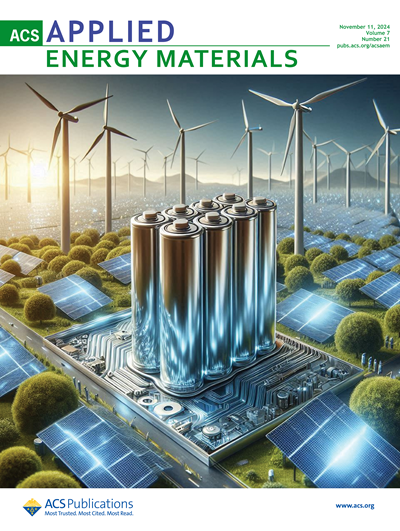
ACS Applied Energy Materials is an interdisciplinary journal publishing original research covering all aspects of materials, engineering, chemistry, physics and biology relevant to energy conversion and storage. The journal is devoted to reports of new and original experimental and theoretical research of an applied nature that integrate knowledge in the areas of materials, engineering, physics, bioscience, and chemistry into important energy applications.




 京公网安备 11010802042870号
京ICP备2023020795号-1
京公网安备 11010802042870号
京ICP备2023020795号-1

 分享
分享
 求助内容:
求助内容: 应助结果提醒方式:
 扫码关注我们
