{"title":"肿瘤内皮细胞衍生的Sfrp1通过Wnt信号支持癌症干细胞的维持","authors":"Yumiko Hayashi, Masakazu Hashimoto, Katsuyoshi Takaoka, Tatsuya Takemoto, Nobuyuki Takakura, Hiroyasu Kidoya","doi":"10.1007/s11626-024-00899-y","DOIUrl":null,"url":null,"abstract":"<p>Cancer stem cells (CSCs), which are critical targets for cancer therapy as they are involved in drug resistance to anticancer drugs, and metastasis, are maintained by angiocrine factors produced by particular niches that form within tumor tissue. Secreted frizzled-related protein 1 (Sfrp1) is an extracellular protein that modulates Wnt signaling. However, the cells that produce Sfrp1 in the tumor environment and its function remain unclear. We aimed to elucidate angiocrine factors related to CSC maintenance, focusing on Sfrp1. Although Sfrp1 is a Wnt pathway-related factor, its impact on tumor tissues remains unknown. We investigated the localization of Sfrp1 in tumors and found that it is expressed in some tumor vessels. Analysis of mice lacking Sfrp1 showed that tumor growth was suppressed in Sfrp1-deficient tumor tissues. Flow cytometry analysis indicated that CSCs were maintained in the early tumor growth phase in the Sfrp1 knockout (KO) mouse model of tumor-bearing cancer. However, tumor growth was inhibited in the late tumor growth phase because of the inability to maintain CSCs. Real-time PCR results from tumors of Sfrp1 KO mice showed that the expression of Wnt signaling target genes significantly decreased in the late stage of tumor growth. This suggests that Sfrp1, an angiocrine factor produced by the tumor vascular niche, is involved in Wnt signaling-mediated mechanisms in tumor tissues.</p>","PeriodicalId":13340,"journal":{"name":"In Vitro Cellular & Developmental Biology. Animal","volume":"71 1","pages":""},"PeriodicalIF":2.0000,"publicationDate":"2024-04-16","publicationTypes":"Journal Article","fieldsOfStudy":null,"isOpenAccess":false,"openAccessPdf":"","citationCount":"0","resultStr":"{\"title\":\"Tumor endothelial cell-derived Sfrp1 supports the maintenance of cancer stem cells via Wnt signaling\",\"authors\":\"Yumiko Hayashi, Masakazu Hashimoto, Katsuyoshi Takaoka, Tatsuya Takemoto, Nobuyuki Takakura, Hiroyasu Kidoya\",\"doi\":\"10.1007/s11626-024-00899-y\",\"DOIUrl\":null,\"url\":null,\"abstract\":\"<p>Cancer stem cells (CSCs), which are critical targets for cancer therapy as they are involved in drug resistance to anticancer drugs, and metastasis, are maintained by angiocrine factors produced by particular niches that form within tumor tissue. Secreted frizzled-related protein 1 (Sfrp1) is an extracellular protein that modulates Wnt signaling. However, the cells that produce Sfrp1 in the tumor environment and its function remain unclear. We aimed to elucidate angiocrine factors related to CSC maintenance, focusing on Sfrp1. Although Sfrp1 is a Wnt pathway-related factor, its impact on tumor tissues remains unknown. We investigated the localization of Sfrp1 in tumors and found that it is expressed in some tumor vessels. Analysis of mice lacking Sfrp1 showed that tumor growth was suppressed in Sfrp1-deficient tumor tissues. Flow cytometry analysis indicated that CSCs were maintained in the early tumor growth phase in the Sfrp1 knockout (KO) mouse model of tumor-bearing cancer. However, tumor growth was inhibited in the late tumor growth phase because of the inability to maintain CSCs. Real-time PCR results from tumors of Sfrp1 KO mice showed that the expression of Wnt signaling target genes significantly decreased in the late stage of tumor growth. This suggests that Sfrp1, an angiocrine factor produced by the tumor vascular niche, is involved in Wnt signaling-mediated mechanisms in tumor tissues.</p>\",\"PeriodicalId\":13340,\"journal\":{\"name\":\"In Vitro Cellular & Developmental Biology. Animal\",\"volume\":\"71 1\",\"pages\":\"\"},\"PeriodicalIF\":2.0000,\"publicationDate\":\"2024-04-16\",\"publicationTypes\":\"Journal Article\",\"fieldsOfStudy\":null,\"isOpenAccess\":false,\"openAccessPdf\":\"\",\"citationCount\":\"0\",\"resultStr\":null,\"platform\":\"Semanticscholar\",\"paperid\":null,\"PeriodicalName\":\"In Vitro Cellular & Developmental Biology. Animal\",\"FirstCategoryId\":\"99\",\"ListUrlMain\":\"https://doi.org/10.1007/s11626-024-00899-y\",\"RegionNum\":4,\"RegionCategory\":\"生物学\",\"ArticlePicture\":[],\"TitleCN\":null,\"AbstractTextCN\":null,\"PMCID\":null,\"EPubDate\":\"\",\"PubModel\":\"\",\"JCR\":\"Q4\",\"JCRName\":\"CELL BIOLOGY\",\"Score\":null,\"Total\":0}","platform":"Semanticscholar","paperid":null,"PeriodicalName":"In Vitro Cellular & Developmental Biology. Animal","FirstCategoryId":"99","ListUrlMain":"https://doi.org/10.1007/s11626-024-00899-y","RegionNum":4,"RegionCategory":"生物学","ArticlePicture":[],"TitleCN":null,"AbstractTextCN":null,"PMCID":null,"EPubDate":"","PubModel":"","JCR":"Q4","JCRName":"CELL BIOLOGY","Score":null,"Total":0}
Tumor endothelial cell-derived Sfrp1 supports the maintenance of cancer stem cells via Wnt signaling
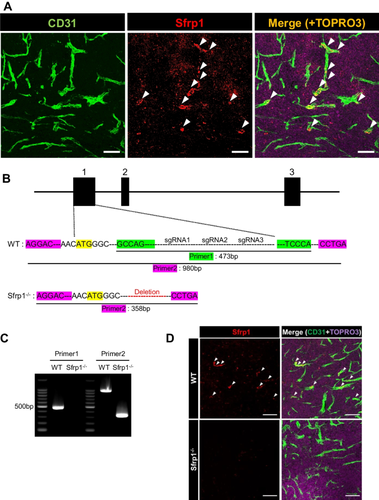
Cancer stem cells (CSCs), which are critical targets for cancer therapy as they are involved in drug resistance to anticancer drugs, and metastasis, are maintained by angiocrine factors produced by particular niches that form within tumor tissue. Secreted frizzled-related protein 1 (Sfrp1) is an extracellular protein that modulates Wnt signaling. However, the cells that produce Sfrp1 in the tumor environment and its function remain unclear. We aimed to elucidate angiocrine factors related to CSC maintenance, focusing on Sfrp1. Although Sfrp1 is a Wnt pathway-related factor, its impact on tumor tissues remains unknown. We investigated the localization of Sfrp1 in tumors and found that it is expressed in some tumor vessels. Analysis of mice lacking Sfrp1 showed that tumor growth was suppressed in Sfrp1-deficient tumor tissues. Flow cytometry analysis indicated that CSCs were maintained in the early tumor growth phase in the Sfrp1 knockout (KO) mouse model of tumor-bearing cancer. However, tumor growth was inhibited in the late tumor growth phase because of the inability to maintain CSCs. Real-time PCR results from tumors of Sfrp1 KO mice showed that the expression of Wnt signaling target genes significantly decreased in the late stage of tumor growth. This suggests that Sfrp1, an angiocrine factor produced by the tumor vascular niche, is involved in Wnt signaling-mediated mechanisms in tumor tissues.
期刊介绍:
In Vitro Cellular & Developmental Biology - Animal is a journal of the Society for In Vitro Biology (SIVB). Original manuscripts reporting results of research in cellular, molecular, and developmental biology that employ or are relevant to organs, tissue, tumors, and cells in vitro will be considered for publication. Topics covered include:
Biotechnology;
Cell and Tissue Models;
Cell Growth/Differentiation/Apoptosis;
Cellular Pathology/Virology;
Cytokines/Growth Factors/Adhesion Factors;
Establishment of Cell Lines;
Signal Transduction;
Stem Cells;
Toxicology/Chemical Carcinogenesis;
Product Applications.




 京公网安备 11010802042870号
京ICP备2023020795号-1
京公网安备 11010802042870号
京ICP备2023020795号-1

 分享
分享
 求助内容:
求助内容: 应助结果提醒方式:
 扫码关注我们
