Leonardo R. Arriola, Donghyun Danny Choi, Justine M. Davis, Melanie L. Phillips, Lise Rakner
{"title":"决策者的堕胎偏好:了解性别与财富的交集","authors":"Leonardo R. Arriola, Donghyun Danny Choi, Justine M. Davis, Melanie L. Phillips, Lise Rakner","doi":"10.1177/00104140241237452","DOIUrl":null,"url":null,"abstract":"When are politicians willing to liberalize abortion laws? While restricted access to legal abor- tion affects millions of women around the world, there is relatively little understanding of the factors shaping the views of politicians who craft or uphold such restrictive laws. This study examines the impact of a public health framing commonly employed by activists to persuade politicians to reform abortion laws. We provide evidence that politicians’ preferences toward abortion reforms are shaped by the intersection of gender and wealth. Drawing on a survey experiment conducted among more than 600 politicians in Zambia, we show that only women politicians from less wealthy backgrounds are more likely to support policy liberalization after being exposed to a public health framing. These findings underscore how economic inequal- ities can affect the substantive representation of women’s interests and provide a baseline for further research on the use of framing strategies in other developing country contexts.","PeriodicalId":4,"journal":{"name":"ACS Applied Energy Materials","volume":"63 1","pages":""},"PeriodicalIF":5.5000,"publicationDate":"2024-04-10","publicationTypes":"Journal Article","fieldsOfStudy":null,"isOpenAccess":false,"openAccessPdf":"","citationCount":"0","resultStr":"{\"title\":\"Policymakers’ Abortion Preferences: Understanding the Intersection of Gender and Wealth\",\"authors\":\"Leonardo R. Arriola, Donghyun Danny Choi, Justine M. Davis, Melanie L. Phillips, Lise Rakner\",\"doi\":\"10.1177/00104140241237452\",\"DOIUrl\":null,\"url\":null,\"abstract\":\"When are politicians willing to liberalize abortion laws? While restricted access to legal abor- tion affects millions of women around the world, there is relatively little understanding of the factors shaping the views of politicians who craft or uphold such restrictive laws. This study examines the impact of a public health framing commonly employed by activists to persuade politicians to reform abortion laws. We provide evidence that politicians’ preferences toward abortion reforms are shaped by the intersection of gender and wealth. Drawing on a survey experiment conducted among more than 600 politicians in Zambia, we show that only women politicians from less wealthy backgrounds are more likely to support policy liberalization after being exposed to a public health framing. These findings underscore how economic inequal- ities can affect the substantive representation of women’s interests and provide a baseline for further research on the use of framing strategies in other developing country contexts.\",\"PeriodicalId\":4,\"journal\":{\"name\":\"ACS Applied Energy Materials\",\"volume\":\"63 1\",\"pages\":\"\"},\"PeriodicalIF\":5.5000,\"publicationDate\":\"2024-04-10\",\"publicationTypes\":\"Journal Article\",\"fieldsOfStudy\":null,\"isOpenAccess\":false,\"openAccessPdf\":\"\",\"citationCount\":\"0\",\"resultStr\":null,\"platform\":\"Semanticscholar\",\"paperid\":null,\"PeriodicalName\":\"ACS Applied Energy Materials\",\"FirstCategoryId\":\"90\",\"ListUrlMain\":\"https://doi.org/10.1177/00104140241237452\",\"RegionNum\":3,\"RegionCategory\":\"材料科学\",\"ArticlePicture\":[],\"TitleCN\":null,\"AbstractTextCN\":null,\"PMCID\":null,\"EPubDate\":\"\",\"PubModel\":\"\",\"JCR\":\"Q2\",\"JCRName\":\"CHEMISTRY, PHYSICAL\",\"Score\":null,\"Total\":0}","platform":"Semanticscholar","paperid":null,"PeriodicalName":"ACS Applied Energy Materials","FirstCategoryId":"90","ListUrlMain":"https://doi.org/10.1177/00104140241237452","RegionNum":3,"RegionCategory":"材料科学","ArticlePicture":[],"TitleCN":null,"AbstractTextCN":null,"PMCID":null,"EPubDate":"","PubModel":"","JCR":"Q2","JCRName":"CHEMISTRY, PHYSICAL","Score":null,"Total":0}
Policymakers’ Abortion Preferences: Understanding the Intersection of Gender and Wealth
When are politicians willing to liberalize abortion laws? While restricted access to legal abor- tion affects millions of women around the world, there is relatively little understanding of the factors shaping the views of politicians who craft or uphold such restrictive laws. This study examines the impact of a public health framing commonly employed by activists to persuade politicians to reform abortion laws. We provide evidence that politicians’ preferences toward abortion reforms are shaped by the intersection of gender and wealth. Drawing on a survey experiment conducted among more than 600 politicians in Zambia, we show that only women politicians from less wealthy backgrounds are more likely to support policy liberalization after being exposed to a public health framing. These findings underscore how economic inequal- ities can affect the substantive representation of women’s interests and provide a baseline for further research on the use of framing strategies in other developing country contexts.
期刊介绍:
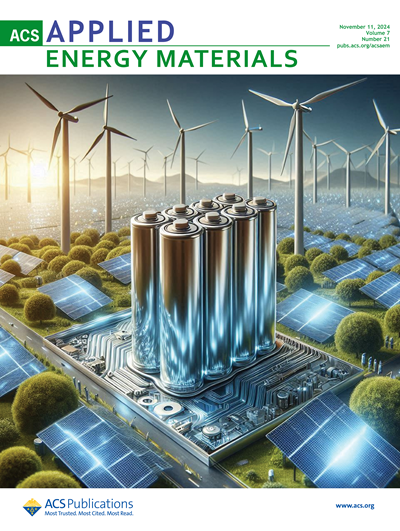
ACS Applied Energy Materials is an interdisciplinary journal publishing original research covering all aspects of materials, engineering, chemistry, physics and biology relevant to energy conversion and storage. The journal is devoted to reports of new and original experimental and theoretical research of an applied nature that integrate knowledge in the areas of materials, engineering, physics, bioscience, and chemistry into important energy applications.




 京公网安备 11010802042870号
京ICP备2023020795号-1
京公网安备 11010802042870号
京ICP备2023020795号-1

 分享
分享
 求助内容:
求助内容: 应助结果提醒方式:
 扫码关注我们
