{"title":"酒店评论中的讽刺检测:一种多模态深度学习方法","authors":"Yang Liu, Maomao Chi, Qiong Sun","doi":"10.1108/jhtt-04-2023-0098","DOIUrl":null,"url":null,"abstract":"Purpose\nThis study aims to detect consumer sarcasm through inconsistencies in sentiment features between text and images of hotel reviews.\n\nDesign/methodology/approach\nThis paper proposes a model for sarcasm detection based on multimodal deep learning using reviews of three hotel brands collected from two travel platforms, which can identify emotional inconsistencies within a modality and across modalities. Text-image interaction information is explored using graph neural networks (GNN) to detect essential clues in sarcasm sentiment.\n\nFindings\nThe research results show that the multimodal deep learning model outperforms other baseline models, which can help to understand hotel service evaluation and provide hotel managers with decision-making opinions.\n\nOriginality/value\nThis research can help hoteliers in two ways: detecting service quality and formulating strategies. By selecting reference hotel brands, hoteliers can better assess their level of service quality (optimal resource allocation ensues); therefore, sarcasm detection research is not only beneficial for hotel managers seeking to improve service quality. The multimodal deep learning method introduced in the present study can be replicated in other industries to help travel platforms optimize their products and services.\n","PeriodicalId":5,"journal":{"name":"ACS Applied Materials & Interfaces","volume":"35 7","pages":""},"PeriodicalIF":7.8000,"publicationDate":"2024-05-27","publicationTypes":"Journal Article","fieldsOfStudy":null,"isOpenAccess":false,"openAccessPdf":"","citationCount":"0","resultStr":"{\"title\":\"Sarcasm detection in hotel reviews: a multimodal deep learning approach\",\"authors\":\"Yang Liu, Maomao Chi, Qiong Sun\",\"doi\":\"10.1108/jhtt-04-2023-0098\",\"DOIUrl\":null,\"url\":null,\"abstract\":\"Purpose\\nThis study aims to detect consumer sarcasm through inconsistencies in sentiment features between text and images of hotel reviews.\\n\\nDesign/methodology/approach\\nThis paper proposes a model for sarcasm detection based on multimodal deep learning using reviews of three hotel brands collected from two travel platforms, which can identify emotional inconsistencies within a modality and across modalities. Text-image interaction information is explored using graph neural networks (GNN) to detect essential clues in sarcasm sentiment.\\n\\nFindings\\nThe research results show that the multimodal deep learning model outperforms other baseline models, which can help to understand hotel service evaluation and provide hotel managers with decision-making opinions.\\n\\nOriginality/value\\nThis research can help hoteliers in two ways: detecting service quality and formulating strategies. By selecting reference hotel brands, hoteliers can better assess their level of service quality (optimal resource allocation ensues); therefore, sarcasm detection research is not only beneficial for hotel managers seeking to improve service quality. The multimodal deep learning method introduced in the present study can be replicated in other industries to help travel platforms optimize their products and services.\\n\",\"PeriodicalId\":5,\"journal\":{\"name\":\"ACS Applied Materials & Interfaces\",\"volume\":\"35 7\",\"pages\":\"\"},\"PeriodicalIF\":7.8000,\"publicationDate\":\"2024-05-27\",\"publicationTypes\":\"Journal Article\",\"fieldsOfStudy\":null,\"isOpenAccess\":false,\"openAccessPdf\":\"\",\"citationCount\":\"0\",\"resultStr\":null,\"platform\":\"Semanticscholar\",\"paperid\":null,\"PeriodicalName\":\"ACS Applied Materials & Interfaces\",\"FirstCategoryId\":\"91\",\"ListUrlMain\":\"https://doi.org/10.1108/jhtt-04-2023-0098\",\"RegionNum\":2,\"RegionCategory\":\"材料科学\",\"ArticlePicture\":[],\"TitleCN\":null,\"AbstractTextCN\":null,\"PMCID\":null,\"EPubDate\":\"\",\"PubModel\":\"\",\"JCR\":\"Q1\",\"JCRName\":\"MATERIALS SCIENCE, MULTIDISCIPLINARY\",\"Score\":null,\"Total\":0}","platform":"Semanticscholar","paperid":null,"PeriodicalName":"ACS Applied Materials & Interfaces","FirstCategoryId":"91","ListUrlMain":"https://doi.org/10.1108/jhtt-04-2023-0098","RegionNum":2,"RegionCategory":"材料科学","ArticlePicture":[],"TitleCN":null,"AbstractTextCN":null,"PMCID":null,"EPubDate":"","PubModel":"","JCR":"Q1","JCRName":"MATERIALS SCIENCE, MULTIDISCIPLINARY","Score":null,"Total":0}
Sarcasm detection in hotel reviews: a multimodal deep learning approach
Purpose
This study aims to detect consumer sarcasm through inconsistencies in sentiment features between text and images of hotel reviews.
Design/methodology/approach
This paper proposes a model for sarcasm detection based on multimodal deep learning using reviews of three hotel brands collected from two travel platforms, which can identify emotional inconsistencies within a modality and across modalities. Text-image interaction information is explored using graph neural networks (GNN) to detect essential clues in sarcasm sentiment.
Findings
The research results show that the multimodal deep learning model outperforms other baseline models, which can help to understand hotel service evaluation and provide hotel managers with decision-making opinions.
Originality/value
This research can help hoteliers in two ways: detecting service quality and formulating strategies. By selecting reference hotel brands, hoteliers can better assess their level of service quality (optimal resource allocation ensues); therefore, sarcasm detection research is not only beneficial for hotel managers seeking to improve service quality. The multimodal deep learning method introduced in the present study can be replicated in other industries to help travel platforms optimize their products and services.
期刊介绍:
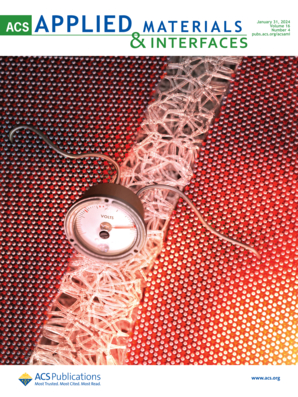
ACS Applied Materials & Interfaces is a leading interdisciplinary journal that brings together chemists, engineers, physicists, and biologists to explore the development and utilization of newly-discovered materials and interfacial processes for specific applications. Our journal has experienced remarkable growth since its establishment in 2009, both in terms of the number of articles published and the impact of the research showcased. We are proud to foster a truly global community, with the majority of published articles originating from outside the United States, reflecting the rapid growth of applied research worldwide.




 京公网安备 11010802042870号
京ICP备2023020795号-1
京公网安备 11010802042870号
京ICP备2023020795号-1

 分享
分享
 求助内容:
求助内容: 应助结果提醒方式:
 扫码关注我们
