{"title":"使用格洛菲坦单抗后复发,这是一种新的未满足的医疗需求,CD20丢失率很高。","authors":"Carmelo Carlo-Stella","doi":"10.1111/bjh.19503","DOIUrl":null,"url":null,"abstract":"<p>The prognosis of r/r DLBCL has changed substantially over the past decade due to the introduction of T-cell-activating therapies. Besides generating a new curative perspective for a proportion of r/r DLBCL, chimeric antigen receptor T-cell therapy and bispecific antibodies are generating new unmet needs. The report by Grigg and colleagues now shows that glofitamab-refractory, CD20-negative patients represent a new unmet medical need requiring therapeutic targets other than CD20 and novel therapies to reduce the risk of CD20 loss.</p><p>Commentary on: Grigg et al. Relapse after glofitamab has a poor prognosis, and rates of CD20 loss are high. Br J Haematol 2024;205:122–126.</p>","PeriodicalId":135,"journal":{"name":"British Journal of Haematology","volume":"205 1","pages":"17-19"},"PeriodicalIF":3.6000,"publicationDate":"2024-05-30","publicationTypes":"Journal Article","fieldsOfStudy":null,"isOpenAccess":false,"openAccessPdf":"https://onlinelibrary.wiley.com/doi/epdf/10.1111/bjh.19503","citationCount":"0","resultStr":"{\"title\":\"Relapse after glofitamab, a novel unmet medical need with high rates of CD20 loss\",\"authors\":\"Carmelo Carlo-Stella\",\"doi\":\"10.1111/bjh.19503\",\"DOIUrl\":null,\"url\":null,\"abstract\":\"<p>The prognosis of r/r DLBCL has changed substantially over the past decade due to the introduction of T-cell-activating therapies. Besides generating a new curative perspective for a proportion of r/r DLBCL, chimeric antigen receptor T-cell therapy and bispecific antibodies are generating new unmet needs. The report by Grigg and colleagues now shows that glofitamab-refractory, CD20-negative patients represent a new unmet medical need requiring therapeutic targets other than CD20 and novel therapies to reduce the risk of CD20 loss.</p><p>Commentary on: Grigg et al. Relapse after glofitamab has a poor prognosis, and rates of CD20 loss are high. Br J Haematol 2024;205:122–126.</p>\",\"PeriodicalId\":135,\"journal\":{\"name\":\"British Journal of Haematology\",\"volume\":\"205 1\",\"pages\":\"17-19\"},\"PeriodicalIF\":3.6000,\"publicationDate\":\"2024-05-30\",\"publicationTypes\":\"Journal Article\",\"fieldsOfStudy\":null,\"isOpenAccess\":false,\"openAccessPdf\":\"https://onlinelibrary.wiley.com/doi/epdf/10.1111/bjh.19503\",\"citationCount\":\"0\",\"resultStr\":null,\"platform\":\"Semanticscholar\",\"paperid\":null,\"PeriodicalName\":\"British Journal of Haematology\",\"FirstCategoryId\":\"3\",\"ListUrlMain\":\"https://onlinelibrary.wiley.com/doi/10.1111/bjh.19503\",\"RegionNum\":2,\"RegionCategory\":\"医学\",\"ArticlePicture\":[],\"TitleCN\":null,\"AbstractTextCN\":null,\"PMCID\":null,\"EPubDate\":\"\",\"PubModel\":\"\",\"JCR\":\"Q1\",\"JCRName\":\"HEMATOLOGY\",\"Score\":null,\"Total\":0}","platform":"Semanticscholar","paperid":null,"PeriodicalName":"British Journal of Haematology","FirstCategoryId":"3","ListUrlMain":"https://onlinelibrary.wiley.com/doi/10.1111/bjh.19503","RegionNum":2,"RegionCategory":"医学","ArticlePicture":[],"TitleCN":null,"AbstractTextCN":null,"PMCID":null,"EPubDate":"","PubModel":"","JCR":"Q1","JCRName":"HEMATOLOGY","Score":null,"Total":0}
Relapse after glofitamab, a novel unmet medical need with high rates of CD20 loss
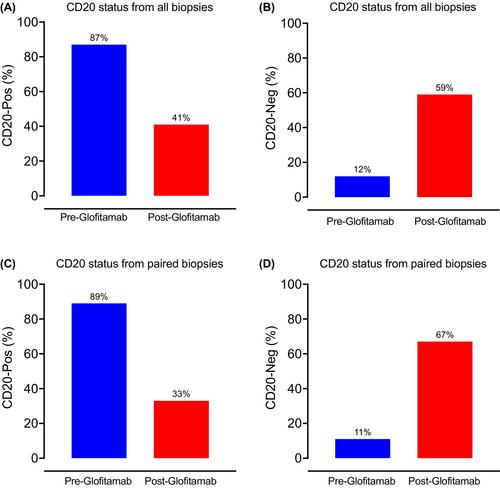
The prognosis of r/r DLBCL has changed substantially over the past decade due to the introduction of T-cell-activating therapies. Besides generating a new curative perspective for a proportion of r/r DLBCL, chimeric antigen receptor T-cell therapy and bispecific antibodies are generating new unmet needs. The report by Grigg and colleagues now shows that glofitamab-refractory, CD20-negative patients represent a new unmet medical need requiring therapeutic targets other than CD20 and novel therapies to reduce the risk of CD20 loss.
Commentary on: Grigg et al. Relapse after glofitamab has a poor prognosis, and rates of CD20 loss are high. Br J Haematol 2024;205:122–126.
期刊介绍:
The British Journal of Haematology publishes original research papers in clinical, laboratory and experimental haematology. The Journal also features annotations, reviews, short reports, images in haematology and Letters to the Editor.




 京公网安备 11010802042870号
京ICP备2023020795号-1
京公网安备 11010802042870号
京ICP备2023020795号-1

 分享
分享
 求助内容:
求助内容: 应助结果提醒方式:
 扫码关注我们
