Milanpreet Kaur , Julian C. Cooper , Jeffrey F. Van Humbeck
{"title":"缺电子杂杂环中苄基 C-H 羟基的位点选择性。","authors":"Milanpreet Kaur , Julian C. Cooper , Jeffrey F. Van Humbeck","doi":"10.1039/d4ob00268g","DOIUrl":null,"url":null,"abstract":"<div><p>Benzylic C–H bonds can be converted into numerous functional groups, often by mechanisms that involve hydrogen atom transfer as the key bond breaking step. The abstracting species is most often an electrophilic radical, which makes these reactions best suited to electron-rich C–H bonds to achieve appropriate polarity matching. Thus, electron deficient systems such as pyridine and pyrimidine are relatively unreactive, and therefore underrepresented in substrate scopes. In this report, we describe a new method for heterobenzylic hydroxylation—essentially an unknown reaction in the case of pyrimidines—that makes use of an iodine(<span>iii</span>) reagent to afford very high selectivity towards electron-deficient azaheterocycles in substrates with more than one reactive position and prevents over-oxidation to carbonyl products. The identification of key reaction byproducts supports a mechanism that involves radical coupling in the bond forming step.</p></div>","PeriodicalId":96,"journal":{"name":"Organic & Biomolecular Chemistry","volume":"22 24","pages":"Pages 4888-4894"},"PeriodicalIF":2.8000,"publicationDate":"2024-06-19","publicationTypes":"Journal Article","fieldsOfStudy":null,"isOpenAccess":false,"openAccessPdf":"","citationCount":"0","resultStr":"{\"title\":\"Site-selective benzylic C–H hydroxylation in electron-deficient azaheterocycles†\",\"authors\":\"Milanpreet Kaur , Julian C. Cooper , Jeffrey F. Van Humbeck\",\"doi\":\"10.1039/d4ob00268g\",\"DOIUrl\":null,\"url\":null,\"abstract\":\"<div><p>Benzylic C–H bonds can be converted into numerous functional groups, often by mechanisms that involve hydrogen atom transfer as the key bond breaking step. The abstracting species is most often an electrophilic radical, which makes these reactions best suited to electron-rich C–H bonds to achieve appropriate polarity matching. Thus, electron deficient systems such as pyridine and pyrimidine are relatively unreactive, and therefore underrepresented in substrate scopes. In this report, we describe a new method for heterobenzylic hydroxylation—essentially an unknown reaction in the case of pyrimidines—that makes use of an iodine(<span>iii</span>) reagent to afford very high selectivity towards electron-deficient azaheterocycles in substrates with more than one reactive position and prevents over-oxidation to carbonyl products. The identification of key reaction byproducts supports a mechanism that involves radical coupling in the bond forming step.</p></div>\",\"PeriodicalId\":96,\"journal\":{\"name\":\"Organic & Biomolecular Chemistry\",\"volume\":\"22 24\",\"pages\":\"Pages 4888-4894\"},\"PeriodicalIF\":2.8000,\"publicationDate\":\"2024-06-19\",\"publicationTypes\":\"Journal Article\",\"fieldsOfStudy\":null,\"isOpenAccess\":false,\"openAccessPdf\":\"\",\"citationCount\":\"0\",\"resultStr\":null,\"platform\":\"Semanticscholar\",\"paperid\":null,\"PeriodicalName\":\"Organic & Biomolecular Chemistry\",\"FirstCategoryId\":\"92\",\"ListUrlMain\":\"https://www.sciencedirect.com/org/science/article/pii/S1477052024004944\",\"RegionNum\":3,\"RegionCategory\":\"化学\",\"ArticlePicture\":[],\"TitleCN\":null,\"AbstractTextCN\":null,\"PMCID\":null,\"EPubDate\":\"2024/5/28 0:00:00\",\"PubModel\":\"Epub\",\"JCR\":\"Q1\",\"JCRName\":\"CHEMISTRY, ORGANIC\",\"Score\":null,\"Total\":0}","platform":"Semanticscholar","paperid":null,"PeriodicalName":"Organic & Biomolecular Chemistry","FirstCategoryId":"92","ListUrlMain":"https://www.sciencedirect.com/org/science/article/pii/S1477052024004944","RegionNum":3,"RegionCategory":"化学","ArticlePicture":[],"TitleCN":null,"AbstractTextCN":null,"PMCID":null,"EPubDate":"2024/5/28 0:00:00","PubModel":"Epub","JCR":"Q1","JCRName":"CHEMISTRY, ORGANIC","Score":null,"Total":0}
Site-selective benzylic C–H hydroxylation in electron-deficient azaheterocycles†
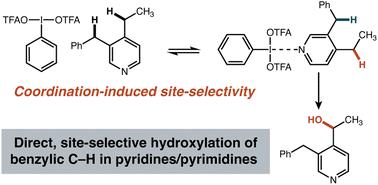
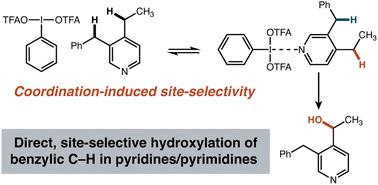
Benzylic C–H bonds can be converted into numerous functional groups, often by mechanisms that involve hydrogen atom transfer as the key bond breaking step. The abstracting species is most often an electrophilic radical, which makes these reactions best suited to electron-rich C–H bonds to achieve appropriate polarity matching. Thus, electron deficient systems such as pyridine and pyrimidine are relatively unreactive, and therefore underrepresented in substrate scopes. In this report, we describe a new method for heterobenzylic hydroxylation—essentially an unknown reaction in the case of pyrimidines—that makes use of an iodine(iii) reagent to afford very high selectivity towards electron-deficient azaheterocycles in substrates with more than one reactive position and prevents over-oxidation to carbonyl products. The identification of key reaction byproducts supports a mechanism that involves radical coupling in the bond forming step.
期刊介绍:
Organic & Biomolecular Chemistry is an international journal using integrated research in chemistry-organic chemistry. Founded in 2003 by the Royal Society of Chemistry, the journal is published in Semimonthly issues and has been indexed by SCIE, a leading international database. The journal focuses on the key research and cutting-edge progress in the field of chemistry-organic chemistry, publishes and reports the research results in this field in a timely manner, and is committed to becoming a window and platform for rapid academic exchanges among peers in this field. The journal's impact factor in 2023 is 2.9, and its CiteScore is 5.5.




 京公网安备 11010802042870号
京ICP备2023020795号-1
京公网安备 11010802042870号
京ICP备2023020795号-1

 分享
分享
 求助内容:
求助内容: 应助结果提醒方式:
 扫码关注我们
