A. E. Claro, Clelia Palanza, Marianna Mazza, A. Rizzi, Andrea Corsello, L. Tartaglione, G. Marano, Giovanna Elsa Ute Muti Schuenemann, M. Rigoni, Alfredo Pontecorvi, Luigi Janiri, Paola Muti, Dario Pitocco
{"title":"重新考虑抑郁症和常见精神障碍在 2 型糖尿病流行中的作用","authors":"A. E. Claro, Clelia Palanza, Marianna Mazza, A. Rizzi, Andrea Corsello, L. Tartaglione, G. Marano, Giovanna Elsa Ute Muti Schuenemann, M. Rigoni, Alfredo Pontecorvi, Luigi Janiri, Paola Muti, Dario Pitocco","doi":"10.4239/wjd.v15.i6.1374","DOIUrl":null,"url":null,"abstract":"Common psychiatric disorders (CPDs) and depression contribute significantly to the global epidemic of type 2 diabetes (T2D). We postulated a possible pathophysiological mechanism that through Bridge-Symptoms present in depression and CPDs, promotes the establishment of emotional eating, activation of the reward system, onset of overweight and obesity and, ultimately the increased risk of developing T2D. The plausibility of the proposed pathophysiological mechanism is supported by the mechanism of action of drugs such as naltrexone-bupropion currently approved for the treatment of both obesity/overweight with T2D and as separate active pharmaceutical ingredients in drug addiction, but also from initial evidence that is emerging regarding glucagon-like peptide 1 receptor agonists that appear to be effective in the treatment of drug addiction. We hope that our hypothesis may be useful in interpreting the higher prevalence of CPDs and depression in patients with T2D compared with the general population and may help refine the integrated psychiatric-diabetic therapy approach to improve the treatment and or remission of T2D.","PeriodicalId":4,"journal":{"name":"ACS Applied Energy Materials","volume":"12 4","pages":""},"PeriodicalIF":5.5000,"publicationDate":"2024-06-15","publicationTypes":"Journal Article","fieldsOfStudy":null,"isOpenAccess":false,"openAccessPdf":"","citationCount":"0","resultStr":"{\"title\":\"Reconsidering the role of depression and common psychiatric disorders as partners in the type 2 diabetes epidemic\",\"authors\":\"A. E. Claro, Clelia Palanza, Marianna Mazza, A. Rizzi, Andrea Corsello, L. Tartaglione, G. Marano, Giovanna Elsa Ute Muti Schuenemann, M. Rigoni, Alfredo Pontecorvi, Luigi Janiri, Paola Muti, Dario Pitocco\",\"doi\":\"10.4239/wjd.v15.i6.1374\",\"DOIUrl\":null,\"url\":null,\"abstract\":\"Common psychiatric disorders (CPDs) and depression contribute significantly to the global epidemic of type 2 diabetes (T2D). We postulated a possible pathophysiological mechanism that through Bridge-Symptoms present in depression and CPDs, promotes the establishment of emotional eating, activation of the reward system, onset of overweight and obesity and, ultimately the increased risk of developing T2D. The plausibility of the proposed pathophysiological mechanism is supported by the mechanism of action of drugs such as naltrexone-bupropion currently approved for the treatment of both obesity/overweight with T2D and as separate active pharmaceutical ingredients in drug addiction, but also from initial evidence that is emerging regarding glucagon-like peptide 1 receptor agonists that appear to be effective in the treatment of drug addiction. We hope that our hypothesis may be useful in interpreting the higher prevalence of CPDs and depression in patients with T2D compared with the general population and may help refine the integrated psychiatric-diabetic therapy approach to improve the treatment and or remission of T2D.\",\"PeriodicalId\":4,\"journal\":{\"name\":\"ACS Applied Energy Materials\",\"volume\":\"12 4\",\"pages\":\"\"},\"PeriodicalIF\":5.5000,\"publicationDate\":\"2024-06-15\",\"publicationTypes\":\"Journal Article\",\"fieldsOfStudy\":null,\"isOpenAccess\":false,\"openAccessPdf\":\"\",\"citationCount\":\"0\",\"resultStr\":null,\"platform\":\"Semanticscholar\",\"paperid\":null,\"PeriodicalName\":\"ACS Applied Energy Materials\",\"FirstCategoryId\":\"3\",\"ListUrlMain\":\"https://doi.org/10.4239/wjd.v15.i6.1374\",\"RegionNum\":3,\"RegionCategory\":\"材料科学\",\"ArticlePicture\":[],\"TitleCN\":null,\"AbstractTextCN\":null,\"PMCID\":null,\"EPubDate\":\"\",\"PubModel\":\"\",\"JCR\":\"Q2\",\"JCRName\":\"CHEMISTRY, PHYSICAL\",\"Score\":null,\"Total\":0}","platform":"Semanticscholar","paperid":null,"PeriodicalName":"ACS Applied Energy Materials","FirstCategoryId":"3","ListUrlMain":"https://doi.org/10.4239/wjd.v15.i6.1374","RegionNum":3,"RegionCategory":"材料科学","ArticlePicture":[],"TitleCN":null,"AbstractTextCN":null,"PMCID":null,"EPubDate":"","PubModel":"","JCR":"Q2","JCRName":"CHEMISTRY, PHYSICAL","Score":null,"Total":0}
Reconsidering the role of depression and common psychiatric disorders as partners in the type 2 diabetes epidemic
Common psychiatric disorders (CPDs) and depression contribute significantly to the global epidemic of type 2 diabetes (T2D). We postulated a possible pathophysiological mechanism that through Bridge-Symptoms present in depression and CPDs, promotes the establishment of emotional eating, activation of the reward system, onset of overweight and obesity and, ultimately the increased risk of developing T2D. The plausibility of the proposed pathophysiological mechanism is supported by the mechanism of action of drugs such as naltrexone-bupropion currently approved for the treatment of both obesity/overweight with T2D and as separate active pharmaceutical ingredients in drug addiction, but also from initial evidence that is emerging regarding glucagon-like peptide 1 receptor agonists that appear to be effective in the treatment of drug addiction. We hope that our hypothesis may be useful in interpreting the higher prevalence of CPDs and depression in patients with T2D compared with the general population and may help refine the integrated psychiatric-diabetic therapy approach to improve the treatment and or remission of T2D.
期刊介绍:
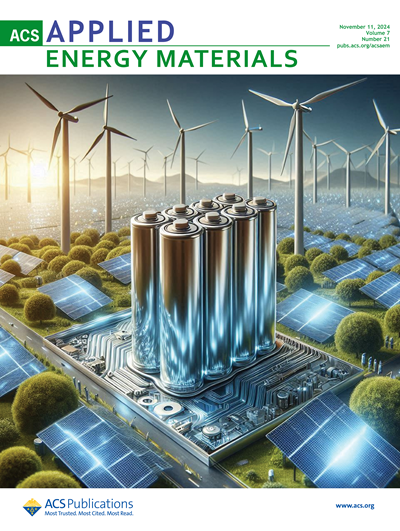
ACS Applied Energy Materials is an interdisciplinary journal publishing original research covering all aspects of materials, engineering, chemistry, physics and biology relevant to energy conversion and storage. The journal is devoted to reports of new and original experimental and theoretical research of an applied nature that integrate knowledge in the areas of materials, engineering, physics, bioscience, and chemistry into important energy applications.




 京公网安备 11010802042870号
京ICP备2023020795号-1
京公网安备 11010802042870号
京ICP备2023020795号-1

 分享
分享
 求助内容:
求助内容: 应助结果提醒方式:
 扫码关注我们
