Rabeea Maqsood, Susie Schofield, Alexander N. Bennett, Ahmed Khattab, Anthony M. J. Bull, Nicola T. Fear, Christopher J. Boos
{"title":"英国军人队列中从股动脉脉搏波形得出的超短期心率变异性的有效性。","authors":"Rabeea Maqsood, Susie Schofield, Alexander N. Bennett, Ahmed Khattab, Anthony M. J. Bull, Nicola T. Fear, Christopher J. Boos","doi":"10.1007/s10484-024-09652-3","DOIUrl":null,"url":null,"abstract":"<div><p>Various non-electrocardiogram (ECG) based methods are considered reliable sources of heart rate variability (HRV) measurement. However, the ultra-short recording of a femoral arterial waveform has never been validated against the gold-standard ECG-based 300s HRV and was the aim of this study.</p><p>A validity study was conducted using a sample from the first follow-up of the longitudinal ADVANCE study UK. The participants were adult servicemen (<i>n</i> = 100); similar in age, rank, and deployment period (Afghanistan 2003–2014). The femoral arterial waveforms (14s) from the pulse wave velocity (PWV) assessment, and ECG (300s) were recorded at rest in the supine position using the Vicorder™ and Bittium Faros™ devices, respectively, in the same session. HRV analysis was performed using Kubios Premium. Resting heart rate (HR) and root mean square of successive differences (RMSSD) were reported. The Bland-Altman %plots were constructed to explore the PWV-ECG agreement in HRV measurement. A further exploratory analysis was conducted across methods and durations.</p><p>The participants’ mean age was 38.0 <i>±</i> 5.3 years. Both PWV-derived HR (<i>r</i> = 0.85) and RMSSD (r<sub>s</sub>=0.84) showed strong correlations with their 300s-ECG counterparts (<i>p</i> < 0.001). Mean HR was significantly higher with ECG than PWV (mean bias: -12.71 <i>±</i> 7.73%, 95%CI: -14.25%, -11.18%). In contrast, the difference in RMSSD between the two methods was non-significant [mean bias: -2.90 <i>±</i> 37.82% (95%CI: -10.40%, 4.60%)] indicating good agreement. An exploratory analysis of 14s ECG-vs-300s ECG measurement revealed strong agreement in both RMSSD and HR.</p><p>The 14s PWV-derived RMSSD strongly agrees with the gold-standard (300s-ECG-based) RMSSD at rest. Conversely, HR appears method sensitive.</p></div>","PeriodicalId":47506,"journal":{"name":"Applied Psychophysiology and Biofeedback","volume":"49 4","pages":"619 - 627"},"PeriodicalIF":2.4000,"publicationDate":"2024-07-11","publicationTypes":"Journal Article","fieldsOfStudy":null,"isOpenAccess":false,"openAccessPdf":"https://link.springer.com/content/pdf/10.1007/s10484-024-09652-3.pdf","citationCount":"0","resultStr":"{\"title\":\"Validity of Ultra-Short-Term Heart Rate Variability Derived from Femoral Arterial Pulse Waveform in a British Military Cohort\",\"authors\":\"Rabeea Maqsood, Susie Schofield, Alexander N. Bennett, Ahmed Khattab, Anthony M. J. Bull, Nicola T. Fear, Christopher J. Boos\",\"doi\":\"10.1007/s10484-024-09652-3\",\"DOIUrl\":null,\"url\":null,\"abstract\":\"<div><p>Various non-electrocardiogram (ECG) based methods are considered reliable sources of heart rate variability (HRV) measurement. However, the ultra-short recording of a femoral arterial waveform has never been validated against the gold-standard ECG-based 300s HRV and was the aim of this study.</p><p>A validity study was conducted using a sample from the first follow-up of the longitudinal ADVANCE study UK. The participants were adult servicemen (<i>n</i> = 100); similar in age, rank, and deployment period (Afghanistan 2003–2014). The femoral arterial waveforms (14s) from the pulse wave velocity (PWV) assessment, and ECG (300s) were recorded at rest in the supine position using the Vicorder™ and Bittium Faros™ devices, respectively, in the same session. HRV analysis was performed using Kubios Premium. Resting heart rate (HR) and root mean square of successive differences (RMSSD) were reported. The Bland-Altman %plots were constructed to explore the PWV-ECG agreement in HRV measurement. A further exploratory analysis was conducted across methods and durations.</p><p>The participants’ mean age was 38.0 <i>±</i> 5.3 years. Both PWV-derived HR (<i>r</i> = 0.85) and RMSSD (r<sub>s</sub>=0.84) showed strong correlations with their 300s-ECG counterparts (<i>p</i> < 0.001). Mean HR was significantly higher with ECG than PWV (mean bias: -12.71 <i>±</i> 7.73%, 95%CI: -14.25%, -11.18%). In contrast, the difference in RMSSD between the two methods was non-significant [mean bias: -2.90 <i>±</i> 37.82% (95%CI: -10.40%, 4.60%)] indicating good agreement. An exploratory analysis of 14s ECG-vs-300s ECG measurement revealed strong agreement in both RMSSD and HR.</p><p>The 14s PWV-derived RMSSD strongly agrees with the gold-standard (300s-ECG-based) RMSSD at rest. Conversely, HR appears method sensitive.</p></div>\",\"PeriodicalId\":47506,\"journal\":{\"name\":\"Applied Psychophysiology and Biofeedback\",\"volume\":\"49 4\",\"pages\":\"619 - 627\"},\"PeriodicalIF\":2.4000,\"publicationDate\":\"2024-07-11\",\"publicationTypes\":\"Journal Article\",\"fieldsOfStudy\":null,\"isOpenAccess\":false,\"openAccessPdf\":\"https://link.springer.com/content/pdf/10.1007/s10484-024-09652-3.pdf\",\"citationCount\":\"0\",\"resultStr\":null,\"platform\":\"Semanticscholar\",\"paperid\":null,\"PeriodicalName\":\"Applied Psychophysiology and Biofeedback\",\"FirstCategoryId\":\"102\",\"ListUrlMain\":\"https://link.springer.com/article/10.1007/s10484-024-09652-3\",\"RegionNum\":3,\"RegionCategory\":\"心理学\",\"ArticlePicture\":[],\"TitleCN\":null,\"AbstractTextCN\":null,\"PMCID\":null,\"EPubDate\":\"\",\"PubModel\":\"\",\"JCR\":\"Q2\",\"JCRName\":\"PSYCHOLOGY, CLINICAL\",\"Score\":null,\"Total\":0}","platform":"Semanticscholar","paperid":null,"PeriodicalName":"Applied Psychophysiology and Biofeedback","FirstCategoryId":"102","ListUrlMain":"https://link.springer.com/article/10.1007/s10484-024-09652-3","RegionNum":3,"RegionCategory":"心理学","ArticlePicture":[],"TitleCN":null,"AbstractTextCN":null,"PMCID":null,"EPubDate":"","PubModel":"","JCR":"Q2","JCRName":"PSYCHOLOGY, CLINICAL","Score":null,"Total":0}
Validity of Ultra-Short-Term Heart Rate Variability Derived from Femoral Arterial Pulse Waveform in a British Military Cohort
Various non-electrocardiogram (ECG) based methods are considered reliable sources of heart rate variability (HRV) measurement. However, the ultra-short recording of a femoral arterial waveform has never been validated against the gold-standard ECG-based 300s HRV and was the aim of this study.
A validity study was conducted using a sample from the first follow-up of the longitudinal ADVANCE study UK. The participants were adult servicemen (n = 100); similar in age, rank, and deployment period (Afghanistan 2003–2014). The femoral arterial waveforms (14s) from the pulse wave velocity (PWV) assessment, and ECG (300s) were recorded at rest in the supine position using the Vicorder™ and Bittium Faros™ devices, respectively, in the same session. HRV analysis was performed using Kubios Premium. Resting heart rate (HR) and root mean square of successive differences (RMSSD) were reported. The Bland-Altman %plots were constructed to explore the PWV-ECG agreement in HRV measurement. A further exploratory analysis was conducted across methods and durations.
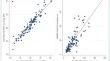
The participants’ mean age was 38.0 ± 5.3 years. Both PWV-derived HR (r = 0.85) and RMSSD (rs=0.84) showed strong correlations with their 300s-ECG counterparts (p < 0.001). Mean HR was significantly higher with ECG than PWV (mean bias: -12.71 ± 7.73%, 95%CI: -14.25%, -11.18%). In contrast, the difference in RMSSD between the two methods was non-significant [mean bias: -2.90 ± 37.82% (95%CI: -10.40%, 4.60%)] indicating good agreement. An exploratory analysis of 14s ECG-vs-300s ECG measurement revealed strong agreement in both RMSSD and HR.
The 14s PWV-derived RMSSD strongly agrees with the gold-standard (300s-ECG-based) RMSSD at rest. Conversely, HR appears method sensitive.
期刊介绍:
Applied Psychophysiology and Biofeedback is an international, interdisciplinary journal devoted to study of the interrelationship of physiological systems, cognition, social and environmental parameters, and health. Priority is given to original research, basic and applied, which contributes to the theory, practice, and evaluation of applied psychophysiology and biofeedback. Submissions are also welcomed for consideration in several additional sections that appear in the journal. They consist of conceptual and theoretical articles; evaluative reviews; the Clinical Forum, which includes separate categories for innovative case studies, clinical replication series, extended treatment protocols, and clinical notes and observations; the Discussion Forum, which includes a series of papers centered around a topic of importance to the field; Innovations in Instrumentation; Letters to the Editor, commenting on issues raised in articles previously published in the journal; and select book reviews. Applied Psychophysiology and Biofeedback is the official publication of the Association for Applied Psychophysiology and Biofeedback.




 京公网安备 11010802042870号
京ICP备2023020795号-1
京公网安备 11010802042870号
京ICP备2023020795号-1

 分享
分享
 求助内容:
求助内容: 应助结果提醒方式:
 扫码关注我们
