Ravinder Singh, Sunil Agrohiya, Ishpal Rawal, Anil Ohlan, Sajjan Dahiya, R. Punia, A. S. Maan
{"title":"用于高效室温实时监测氨气的聚吡咯纳米纤维/掺磷石墨烯纳米复合材料","authors":"Ravinder Singh, Sunil Agrohiya, Ishpal Rawal, Anil Ohlan, Sajjan Dahiya, R. Punia, A. S. Maan","doi":"10.1007/s00289-024-05422-7","DOIUrl":null,"url":null,"abstract":"<div><p>This research work focuses on the potential applications of polypyrrole nanofibers and phosphorus-doped graphene (PPy/P-rGO) in gas sensing devices. The synthesis and characterization of PPy/P-rGO nanocomposites were conducted to assess their suitability for gas sensing applications. The nanocomposites were synthesized using a combination of hydrothermal processing and in situ polymerization methods. Various characterization techniques such as XRD, Raman spectroscopy, FESEM, and HRTEM were employed to analyze the synthesized nanocomposites. The PPy/P-rGO nanocomposite was then used to fabricate gas sensing devices on soda lime substrate through spin coating technique. The sensing behavior of these devices was evaluated in different chemical vapor environments, including ammonia, methanol, ethanol, acetone, and chloroform. The PPy/P-rGO nanocomposite sensor exhibited a response time of 20 s, a recovery time of 57 s, a detection limit of 0.082 ppm (82 ppb), and a sensing response of ~ 460%, which was about 3.96 times greater than the sensing response of the pure PPy sensor (116%), which indicates an effective modification of the PPy device through the addition of P-rGO. The PPy/P-rGO sensor exhibits a remarkably linear gas response when exposed to ammonia concentrations ranging from 1 to 100 ppm. The synergistic effects of PPy and P-rGO demonstrate the potential of these nanocomposites in overcoming challenges faced by gas sensing technologies and developing high-performance devices.</p></div>","PeriodicalId":737,"journal":{"name":"Polymer Bulletin","volume":"81 16","pages":"14999 - 15017"},"PeriodicalIF":4.0000,"publicationDate":"2024-07-15","publicationTypes":"Journal Article","fieldsOfStudy":null,"isOpenAccess":false,"openAccessPdf":"","citationCount":"0","resultStr":"{\"title\":\"Polypyrrole nanofibers/phosphorus-doped graphene nanocomposite for efficient room temperature real-time monitoring of ammonia\",\"authors\":\"Ravinder Singh, Sunil Agrohiya, Ishpal Rawal, Anil Ohlan, Sajjan Dahiya, R. Punia, A. S. Maan\",\"doi\":\"10.1007/s00289-024-05422-7\",\"DOIUrl\":null,\"url\":null,\"abstract\":\"<div><p>This research work focuses on the potential applications of polypyrrole nanofibers and phosphorus-doped graphene (PPy/P-rGO) in gas sensing devices. The synthesis and characterization of PPy/P-rGO nanocomposites were conducted to assess their suitability for gas sensing applications. The nanocomposites were synthesized using a combination of hydrothermal processing and in situ polymerization methods. Various characterization techniques such as XRD, Raman spectroscopy, FESEM, and HRTEM were employed to analyze the synthesized nanocomposites. The PPy/P-rGO nanocomposite was then used to fabricate gas sensing devices on soda lime substrate through spin coating technique. The sensing behavior of these devices was evaluated in different chemical vapor environments, including ammonia, methanol, ethanol, acetone, and chloroform. The PPy/P-rGO nanocomposite sensor exhibited a response time of 20 s, a recovery time of 57 s, a detection limit of 0.082 ppm (82 ppb), and a sensing response of ~ 460%, which was about 3.96 times greater than the sensing response of the pure PPy sensor (116%), which indicates an effective modification of the PPy device through the addition of P-rGO. The PPy/P-rGO sensor exhibits a remarkably linear gas response when exposed to ammonia concentrations ranging from 1 to 100 ppm. The synergistic effects of PPy and P-rGO demonstrate the potential of these nanocomposites in overcoming challenges faced by gas sensing technologies and developing high-performance devices.</p></div>\",\"PeriodicalId\":737,\"journal\":{\"name\":\"Polymer Bulletin\",\"volume\":\"81 16\",\"pages\":\"14999 - 15017\"},\"PeriodicalIF\":4.0000,\"publicationDate\":\"2024-07-15\",\"publicationTypes\":\"Journal Article\",\"fieldsOfStudy\":null,\"isOpenAccess\":false,\"openAccessPdf\":\"\",\"citationCount\":\"0\",\"resultStr\":null,\"platform\":\"Semanticscholar\",\"paperid\":null,\"PeriodicalName\":\"Polymer Bulletin\",\"FirstCategoryId\":\"92\",\"ListUrlMain\":\"https://link.springer.com/article/10.1007/s00289-024-05422-7\",\"RegionNum\":3,\"RegionCategory\":\"化学\",\"ArticlePicture\":[],\"TitleCN\":null,\"AbstractTextCN\":null,\"PMCID\":null,\"EPubDate\":\"\",\"PubModel\":\"\",\"JCR\":\"Q2\",\"JCRName\":\"POLYMER SCIENCE\",\"Score\":null,\"Total\":0}","platform":"Semanticscholar","paperid":null,"PeriodicalName":"Polymer Bulletin","FirstCategoryId":"92","ListUrlMain":"https://link.springer.com/article/10.1007/s00289-024-05422-7","RegionNum":3,"RegionCategory":"化学","ArticlePicture":[],"TitleCN":null,"AbstractTextCN":null,"PMCID":null,"EPubDate":"","PubModel":"","JCR":"Q2","JCRName":"POLYMER SCIENCE","Score":null,"Total":0}
Polypyrrole nanofibers/phosphorus-doped graphene nanocomposite for efficient room temperature real-time monitoring of ammonia
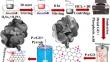
This research work focuses on the potential applications of polypyrrole nanofibers and phosphorus-doped graphene (PPy/P-rGO) in gas sensing devices. The synthesis and characterization of PPy/P-rGO nanocomposites were conducted to assess their suitability for gas sensing applications. The nanocomposites were synthesized using a combination of hydrothermal processing and in situ polymerization methods. Various characterization techniques such as XRD, Raman spectroscopy, FESEM, and HRTEM were employed to analyze the synthesized nanocomposites. The PPy/P-rGO nanocomposite was then used to fabricate gas sensing devices on soda lime substrate through spin coating technique. The sensing behavior of these devices was evaluated in different chemical vapor environments, including ammonia, methanol, ethanol, acetone, and chloroform. The PPy/P-rGO nanocomposite sensor exhibited a response time of 20 s, a recovery time of 57 s, a detection limit of 0.082 ppm (82 ppb), and a sensing response of ~ 460%, which was about 3.96 times greater than the sensing response of the pure PPy sensor (116%), which indicates an effective modification of the PPy device through the addition of P-rGO. The PPy/P-rGO sensor exhibits a remarkably linear gas response when exposed to ammonia concentrations ranging from 1 to 100 ppm. The synergistic effects of PPy and P-rGO demonstrate the potential of these nanocomposites in overcoming challenges faced by gas sensing technologies and developing high-performance devices.
期刊介绍:
"Polymer Bulletin" is a comprehensive academic journal on polymer science founded in 1988. It was founded under the initiative of the late Mr. Wang Baoren, a famous Chinese chemist and educator. This journal is co-sponsored by the Chinese Chemical Society, the Institute of Chemistry, and the Chinese Academy of Sciences and is supervised by the China Association for Science and Technology. It is a core journal and is publicly distributed at home and abroad.
"Polymer Bulletin" is a monthly magazine with multiple columns, including a project application guide, outlook, review, research papers, highlight reviews, polymer education and teaching, information sharing, interviews, polymer science popularization, etc. The journal is included in the CSCD Chinese Science Citation Database. It serves as the source journal for Chinese scientific and technological paper statistics and the source journal of Peking University's "Overview of Chinese Core Journals."




 京公网安备 11010802042870号
京ICP备2023020795号-1
京公网安备 11010802042870号
京ICP备2023020795号-1

 分享
分享
 求助内容:
求助内容: 应助结果提醒方式:
 扫码关注我们
