{"title":"中国西汉(公元前一世纪)青铜器共晶相腐蚀行为及锈层保护机理研究","authors":"Zhiheng Fan, Herong Zhou, Xiuyuan Wang, Jialiang Song, Jingrui Shi, Cheng Liu, Jiachang Chen","doi":"10.1007/s10853-024-10041-8","DOIUrl":null,"url":null,"abstract":"<div><p>This article conducted a study on ancient bronze coins unearthed in Huxian, Shaanxi, China. It was found that the coins corroded along the eutectoid phase, and there was an obvious corrosion layering phenomenon. From the outside to the inside, they were the outer rust layer, the transition layer and the matrix layer. When analyzing the chemical composition and corrosion products in different regions, various techniques such as metallographic microscopy, X-ray photoelectron spectroscopy (XPS), scanning electron microscopy with energy-dispersive X-ray spectroscopy (SEM-EDS) and electron probe microanalysis (EPMA) were employed. It was determined that the outer rust layer primarily consisted of Cu<sub>2</sub>(OH)<sub>3</sub>Cl, while the transition layer was composed of an α phase and a corroded eutectoid phase (with the corrosion product being SnO<sub>2</sub>). In addition, combined with electrochemical tests, it was found that the rust layer has better protective performance on the substrate. Based on the above results, it is speculated that some ancient bronze cultural relics may have gone through two stages: the first stage is the market transaction stage after the coin casting is completed, and the second stage is the burial soil corrosion stage when the coins circulating in the market become funerary objects. Relevant research provides a certain theoretical basis for the protection of bronze cultural relics.</p></div>","PeriodicalId":645,"journal":{"name":"Journal of Materials Science","volume":"59 31","pages":"14676 - 14691"},"PeriodicalIF":3.9000,"publicationDate":"2024-07-28","publicationTypes":"Journal Article","fieldsOfStudy":null,"isOpenAccess":false,"openAccessPdf":"","citationCount":"0","resultStr":"{\"title\":\"Study on eutectoid phase corrosion behavior and rust layer protection mechanism of bronze coins from the Western Han Dynasty (first century BC) in China\",\"authors\":\"Zhiheng Fan, Herong Zhou, Xiuyuan Wang, Jialiang Song, Jingrui Shi, Cheng Liu, Jiachang Chen\",\"doi\":\"10.1007/s10853-024-10041-8\",\"DOIUrl\":null,\"url\":null,\"abstract\":\"<div><p>This article conducted a study on ancient bronze coins unearthed in Huxian, Shaanxi, China. It was found that the coins corroded along the eutectoid phase, and there was an obvious corrosion layering phenomenon. From the outside to the inside, they were the outer rust layer, the transition layer and the matrix layer. When analyzing the chemical composition and corrosion products in different regions, various techniques such as metallographic microscopy, X-ray photoelectron spectroscopy (XPS), scanning electron microscopy with energy-dispersive X-ray spectroscopy (SEM-EDS) and electron probe microanalysis (EPMA) were employed. It was determined that the outer rust layer primarily consisted of Cu<sub>2</sub>(OH)<sub>3</sub>Cl, while the transition layer was composed of an α phase and a corroded eutectoid phase (with the corrosion product being SnO<sub>2</sub>). In addition, combined with electrochemical tests, it was found that the rust layer has better protective performance on the substrate. Based on the above results, it is speculated that some ancient bronze cultural relics may have gone through two stages: the first stage is the market transaction stage after the coin casting is completed, and the second stage is the burial soil corrosion stage when the coins circulating in the market become funerary objects. Relevant research provides a certain theoretical basis for the protection of bronze cultural relics.</p></div>\",\"PeriodicalId\":645,\"journal\":{\"name\":\"Journal of Materials Science\",\"volume\":\"59 31\",\"pages\":\"14676 - 14691\"},\"PeriodicalIF\":3.9000,\"publicationDate\":\"2024-07-28\",\"publicationTypes\":\"Journal Article\",\"fieldsOfStudy\":null,\"isOpenAccess\":false,\"openAccessPdf\":\"\",\"citationCount\":\"0\",\"resultStr\":null,\"platform\":\"Semanticscholar\",\"paperid\":null,\"PeriodicalName\":\"Journal of Materials Science\",\"FirstCategoryId\":\"88\",\"ListUrlMain\":\"https://link.springer.com/article/10.1007/s10853-024-10041-8\",\"RegionNum\":3,\"RegionCategory\":\"材料科学\",\"ArticlePicture\":[],\"TitleCN\":null,\"AbstractTextCN\":null,\"PMCID\":null,\"EPubDate\":\"\",\"PubModel\":\"\",\"JCR\":\"Q2\",\"JCRName\":\"MATERIALS SCIENCE, MULTIDISCIPLINARY\",\"Score\":null,\"Total\":0}","platform":"Semanticscholar","paperid":null,"PeriodicalName":"Journal of Materials Science","FirstCategoryId":"88","ListUrlMain":"https://link.springer.com/article/10.1007/s10853-024-10041-8","RegionNum":3,"RegionCategory":"材料科学","ArticlePicture":[],"TitleCN":null,"AbstractTextCN":null,"PMCID":null,"EPubDate":"","PubModel":"","JCR":"Q2","JCRName":"MATERIALS SCIENCE, MULTIDISCIPLINARY","Score":null,"Total":0}
引用次数: 0
摘要
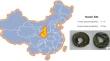
本文对中国陕西户县出土的古代青铜钱币进行了研究。研究发现,铜币沿共晶相腐蚀,存在明显的腐蚀分层现象。从外向内依次为外锈层、过渡层和基质层。在分析不同区域的化学成分和腐蚀产物时,采用了金相显微镜、X 射线光电子能谱(XPS)、扫描电子显微镜与能量色散 X 射线光谱(SEM-EDS)和电子探针显微分析(EPMA)等多种技术。结果表明,外锈层主要由 Cu2(OH)3Cl组成,而过渡层则由α相和腐蚀共晶相(腐蚀产物为 SnO2)组成。此外,结合电化学测试发现,锈层对基底的保护性能更好。根据上述结果推测,一些古代青铜文物可能经历了两个阶段:第一阶段是铸币完成后的市场交易阶段,第二阶段是市场流通的钱币成为陪葬品后的埋土腐蚀阶段。相关研究为青铜文物的保护提供了一定的理论依据。
Study on eutectoid phase corrosion behavior and rust layer protection mechanism of bronze coins from the Western Han Dynasty (first century BC) in China
This article conducted a study on ancient bronze coins unearthed in Huxian, Shaanxi, China. It was found that the coins corroded along the eutectoid phase, and there was an obvious corrosion layering phenomenon. From the outside to the inside, they were the outer rust layer, the transition layer and the matrix layer. When analyzing the chemical composition and corrosion products in different regions, various techniques such as metallographic microscopy, X-ray photoelectron spectroscopy (XPS), scanning electron microscopy with energy-dispersive X-ray spectroscopy (SEM-EDS) and electron probe microanalysis (EPMA) were employed. It was determined that the outer rust layer primarily consisted of Cu2(OH)3Cl, while the transition layer was composed of an α phase and a corroded eutectoid phase (with the corrosion product being SnO2). In addition, combined with electrochemical tests, it was found that the rust layer has better protective performance on the substrate. Based on the above results, it is speculated that some ancient bronze cultural relics may have gone through two stages: the first stage is the market transaction stage after the coin casting is completed, and the second stage is the burial soil corrosion stage when the coins circulating in the market become funerary objects. Relevant research provides a certain theoretical basis for the protection of bronze cultural relics.
期刊介绍:
The Journal of Materials Science publishes reviews, full-length papers, and short Communications recording original research results on, or techniques for studying the relationship between structure, properties, and uses of materials. The subjects are seen from international and interdisciplinary perspectives covering areas including metals, ceramics, glasses, polymers, electrical materials, composite materials, fibers, nanostructured materials, nanocomposites, and biological and biomedical materials. The Journal of Materials Science is now firmly established as the leading source of primary communication for scientists investigating the structure and properties of all engineering materials.




 京公网安备 11010802042870号
京ICP备2023020795号-1
京公网安备 11010802042870号
京ICP备2023020795号-1

 分享
分享
 求助内容:
求助内容: 应助结果提醒方式:
 扫码关注我们
