{"title":"所有权、自由、归属感和上帝:基布兹扩展 \"共享 \"模式的战略","authors":"Moshe Banai, John Nirenberg","doi":"10.1108/md-10-2023-1887","DOIUrl":null,"url":null,"abstract":"Purpose This study proposes a mix of historical, organizational and generational life cycles as explanatory variables for the “sharing style” of intentional communities such as kibbutzim in Israel. It evaluates the effectiveness of four strategies, namely, economic ownership, ultimate personal freedom, sense of belonging and religious belief employed by kibbutzim to sustain their lifestyles as sharing communities.Design/methodology/approach The study’s data collection methods include a mix of literature review and content analysis of interviews and observations conducted by the study’s researchers over a period of twenty years.Findings Environmental uncertainty, which served as one of the main motivators for the establishment of kibbutzim, has been diminished over their life cycle, forcing them to change their socioeconomic model of sharing. Most kibbutzim elected to employ the household’s economic private ownership strategy to move from the “maturity” to the “renewal” lifecycle stage, thereby avoiding “decline.” Three representative kibbutzim chose to deploy ultimate personal freedom, enhanced sense of belonging and shared religious practice strategies to reach the renewal stage.Practical implications Current crises, such as weather disasters, pandemics and wars, have demonstrated the justification for the existence of shared leadership communities. This study considers the advantages and pitfalls of economic and psychological conditions necessary for sustaining such communities over the period of their life cycles. We propose that out of the four strategies analyzed, only the strategy of economic private ownership can be sustained under conditions of global, national and commune’s increasing levels of individualism.Originality/value This study introduces historical, organizational and generational elements into the commonly described construct of organizational and product life cycles. It describes four variations of the communal sharing socioeconomic model that have been adopted to combat the degradation of the communes into the decline stage and evaluate their viability. The study therefore generalizes life cycle theory to non-for-profit organizations, making life cycle theory more specific.","PeriodicalId":4,"journal":{"name":"ACS Applied Energy Materials","volume":"6 3","pages":""},"PeriodicalIF":5.5000,"publicationDate":"2024-08-08","publicationTypes":"Journal Article","fieldsOfStudy":null,"isOpenAccess":false,"openAccessPdf":"","citationCount":"0","resultStr":"{\"title\":\"Ownership, freedom, belonging and God: Kibbutzim’s strategies to extend their “sharing” model\",\"authors\":\"Moshe Banai, John Nirenberg\",\"doi\":\"10.1108/md-10-2023-1887\",\"DOIUrl\":null,\"url\":null,\"abstract\":\"Purpose This study proposes a mix of historical, organizational and generational life cycles as explanatory variables for the “sharing style” of intentional communities such as kibbutzim in Israel. It evaluates the effectiveness of four strategies, namely, economic ownership, ultimate personal freedom, sense of belonging and religious belief employed by kibbutzim to sustain their lifestyles as sharing communities.Design/methodology/approach The study’s data collection methods include a mix of literature review and content analysis of interviews and observations conducted by the study’s researchers over a period of twenty years.Findings Environmental uncertainty, which served as one of the main motivators for the establishment of kibbutzim, has been diminished over their life cycle, forcing them to change their socioeconomic model of sharing. Most kibbutzim elected to employ the household’s economic private ownership strategy to move from the “maturity” to the “renewal” lifecycle stage, thereby avoiding “decline.” Three representative kibbutzim chose to deploy ultimate personal freedom, enhanced sense of belonging and shared religious practice strategies to reach the renewal stage.Practical implications Current crises, such as weather disasters, pandemics and wars, have demonstrated the justification for the existence of shared leadership communities. This study considers the advantages and pitfalls of economic and psychological conditions necessary for sustaining such communities over the period of their life cycles. We propose that out of the four strategies analyzed, only the strategy of economic private ownership can be sustained under conditions of global, national and commune’s increasing levels of individualism.Originality/value This study introduces historical, organizational and generational elements into the commonly described construct of organizational and product life cycles. It describes four variations of the communal sharing socioeconomic model that have been adopted to combat the degradation of the communes into the decline stage and evaluate their viability. The study therefore generalizes life cycle theory to non-for-profit organizations, making life cycle theory more specific.\",\"PeriodicalId\":4,\"journal\":{\"name\":\"ACS Applied Energy Materials\",\"volume\":\"6 3\",\"pages\":\"\"},\"PeriodicalIF\":5.5000,\"publicationDate\":\"2024-08-08\",\"publicationTypes\":\"Journal Article\",\"fieldsOfStudy\":null,\"isOpenAccess\":false,\"openAccessPdf\":\"\",\"citationCount\":\"0\",\"resultStr\":null,\"platform\":\"Semanticscholar\",\"paperid\":null,\"PeriodicalName\":\"ACS Applied Energy Materials\",\"FirstCategoryId\":\"91\",\"ListUrlMain\":\"https://doi.org/10.1108/md-10-2023-1887\",\"RegionNum\":3,\"RegionCategory\":\"材料科学\",\"ArticlePicture\":[],\"TitleCN\":null,\"AbstractTextCN\":null,\"PMCID\":null,\"EPubDate\":\"\",\"PubModel\":\"\",\"JCR\":\"Q2\",\"JCRName\":\"CHEMISTRY, PHYSICAL\",\"Score\":null,\"Total\":0}","platform":"Semanticscholar","paperid":null,"PeriodicalName":"ACS Applied Energy Materials","FirstCategoryId":"91","ListUrlMain":"https://doi.org/10.1108/md-10-2023-1887","RegionNum":3,"RegionCategory":"材料科学","ArticlePicture":[],"TitleCN":null,"AbstractTextCN":null,"PMCID":null,"EPubDate":"","PubModel":"","JCR":"Q2","JCRName":"CHEMISTRY, PHYSICAL","Score":null,"Total":0}
Ownership, freedom, belonging and God: Kibbutzim’s strategies to extend their “sharing” model
Purpose This study proposes a mix of historical, organizational and generational life cycles as explanatory variables for the “sharing style” of intentional communities such as kibbutzim in Israel. It evaluates the effectiveness of four strategies, namely, economic ownership, ultimate personal freedom, sense of belonging and religious belief employed by kibbutzim to sustain their lifestyles as sharing communities.Design/methodology/approach The study’s data collection methods include a mix of literature review and content analysis of interviews and observations conducted by the study’s researchers over a period of twenty years.Findings Environmental uncertainty, which served as one of the main motivators for the establishment of kibbutzim, has been diminished over their life cycle, forcing them to change their socioeconomic model of sharing. Most kibbutzim elected to employ the household’s economic private ownership strategy to move from the “maturity” to the “renewal” lifecycle stage, thereby avoiding “decline.” Three representative kibbutzim chose to deploy ultimate personal freedom, enhanced sense of belonging and shared religious practice strategies to reach the renewal stage.Practical implications Current crises, such as weather disasters, pandemics and wars, have demonstrated the justification for the existence of shared leadership communities. This study considers the advantages and pitfalls of economic and psychological conditions necessary for sustaining such communities over the period of their life cycles. We propose that out of the four strategies analyzed, only the strategy of economic private ownership can be sustained under conditions of global, national and commune’s increasing levels of individualism.Originality/value This study introduces historical, organizational and generational elements into the commonly described construct of organizational and product life cycles. It describes four variations of the communal sharing socioeconomic model that have been adopted to combat the degradation of the communes into the decline stage and evaluate their viability. The study therefore generalizes life cycle theory to non-for-profit organizations, making life cycle theory more specific.
期刊介绍:
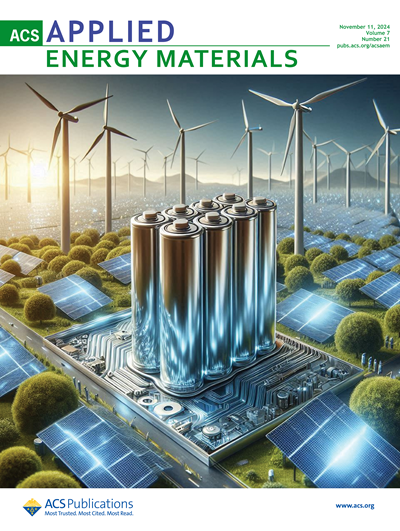
ACS Applied Energy Materials is an interdisciplinary journal publishing original research covering all aspects of materials, engineering, chemistry, physics and biology relevant to energy conversion and storage. The journal is devoted to reports of new and original experimental and theoretical research of an applied nature that integrate knowledge in the areas of materials, engineering, physics, bioscience, and chemistry into important energy applications.




 京公网安备 11010802042870号
京ICP备2023020795号-1
京公网安备 11010802042870号
京ICP备2023020795号-1

 分享
分享
 求助内容:
求助内容: 应助结果提醒方式:
 扫码关注我们
