Adam Brufsky, Marilyn L Kwan, Rickard Sandin, Stella Stergiopoulos, Siddharth Karanth, Ashley S Cha-Silva, Doris Makari, Ravi K Goyal
{"title":"美国引入 CDK4/6 抑制剂前后 HR+ 转移性乳腺癌患者的生存趋势:对 HER2- 和 HER2+ 转移性乳腺癌患者的 SEER 登记分析。","authors":"Adam Brufsky, Marilyn L Kwan, Rickard Sandin, Stella Stergiopoulos, Siddharth Karanth, Ashley S Cha-Silva, Doris Makari, Ravi K Goyal","doi":"10.1007/s10549-024-07469-6","DOIUrl":null,"url":null,"abstract":"<p><strong>Purpose: </strong>Cyclin-dependent kinase 4/6 inhibitors (CDK4/6i) have improved patient survival in hormone receptor-positive/human epidermal growth factor receptor 2-negative (HR+/HER2-) metastatic breast cancer (mBC) in clinical trials and real-world studies. However, investigations of survival gains in broader HR+/HER2- mBC populations using epidemiological approaches are limited.</p><p><strong>Methods: </strong>This retrospective study used SEER registry data to assess breast cancer-specific survival (BCSS) in patients diagnosed with HR+/HER2- de novo mBC from 2010 to 2019. Kaplan-Meier and Cox proportional hazards models were used to compare BCSS in patients diagnosed before (2010‒2013 with follow-up to 2014) and after (2015‒2018 with follow-up to 2019) the 2015 guideline recommendations for CDK4/6i use. A comparison was made to patients with HR+/HER2-positive (HER2+) de novo mBC, for which no major guideline changes occurred during 2015-2018.</p><p><strong>Results: </strong>Data from 11,467 women with HR+/HER2- mBC and 3260 women with HR+/HER2+ mBC were included. After baseline characteristic adjustment, patients with HR+/HER2- mBC diagnosed post-2015 (n = 6163), had an approximately 10% reduction in risk of BC-specific death compared with patients diagnosed pre-2015 (n = 5304; HR = 0.895, p < 0.0001). Conversely, no significant change was observed in HR+/HER2+ BCSS post-2015 (n = 1798) versus pre-2015 (n = 1462). Similar results were found in patients aged ≥ 65 years.</p><p><strong>Conclusion: </strong>Using one of the largest US population-based longitudinal cancer databases, significant improvements in BCSS were noted in patients with HR+/HER2- mBC post-2015 versus pre-2015, potentially due to the introduction of CDK4/6i post-2015. No significant improvement in BCSS was observed in patients with HR+/HER2+ mBC post-2015 versus pre-2015, likely due to the availability of HER2-directed therapies in both time periods.</p>","PeriodicalId":9133,"journal":{"name":"Breast Cancer Research and Treatment","volume":" ","pages":"223-235"},"PeriodicalIF":3.0000,"publicationDate":"2024-11-01","publicationTypes":"Journal Article","fieldsOfStudy":null,"isOpenAccess":false,"openAccessPdf":"https://www.ncbi.nlm.nih.gov/pmc/articles/PMC11455714/pdf/","citationCount":"0","resultStr":"{\"title\":\"Trends in HR+ metastatic breast cancer survival before and after CDK4/6 inhibitor introduction in the United States: a SEER registry analysis of patients with HER2- and HER2+ metastatic breast cancer.\",\"authors\":\"Adam Brufsky, Marilyn L Kwan, Rickard Sandin, Stella Stergiopoulos, Siddharth Karanth, Ashley S Cha-Silva, Doris Makari, Ravi K Goyal\",\"doi\":\"10.1007/s10549-024-07469-6\",\"DOIUrl\":null,\"url\":null,\"abstract\":\"<p><strong>Purpose: </strong>Cyclin-dependent kinase 4/6 inhibitors (CDK4/6i) have improved patient survival in hormone receptor-positive/human epidermal growth factor receptor 2-negative (HR+/HER2-) metastatic breast cancer (mBC) in clinical trials and real-world studies. However, investigations of survival gains in broader HR+/HER2- mBC populations using epidemiological approaches are limited.</p><p><strong>Methods: </strong>This retrospective study used SEER registry data to assess breast cancer-specific survival (BCSS) in patients diagnosed with HR+/HER2- de novo mBC from 2010 to 2019. Kaplan-Meier and Cox proportional hazards models were used to compare BCSS in patients diagnosed before (2010‒2013 with follow-up to 2014) and after (2015‒2018 with follow-up to 2019) the 2015 guideline recommendations for CDK4/6i use. A comparison was made to patients with HR+/HER2-positive (HER2+) de novo mBC, for which no major guideline changes occurred during 2015-2018.</p><p><strong>Results: </strong>Data from 11,467 women with HR+/HER2- mBC and 3260 women with HR+/HER2+ mBC were included. After baseline characteristic adjustment, patients with HR+/HER2- mBC diagnosed post-2015 (n = 6163), had an approximately 10% reduction in risk of BC-specific death compared with patients diagnosed pre-2015 (n = 5304; HR = 0.895, p < 0.0001). Conversely, no significant change was observed in HR+/HER2+ BCSS post-2015 (n = 1798) versus pre-2015 (n = 1462). Similar results were found in patients aged ≥ 65 years.</p><p><strong>Conclusion: </strong>Using one of the largest US population-based longitudinal cancer databases, significant improvements in BCSS were noted in patients with HR+/HER2- mBC post-2015 versus pre-2015, potentially due to the introduction of CDK4/6i post-2015. No significant improvement in BCSS was observed in patients with HR+/HER2+ mBC post-2015 versus pre-2015, likely due to the availability of HER2-directed therapies in both time periods.</p>\",\"PeriodicalId\":9133,\"journal\":{\"name\":\"Breast Cancer Research and Treatment\",\"volume\":\" \",\"pages\":\"223-235\"},\"PeriodicalIF\":3.0000,\"publicationDate\":\"2024-11-01\",\"publicationTypes\":\"Journal Article\",\"fieldsOfStudy\":null,\"isOpenAccess\":false,\"openAccessPdf\":\"https://www.ncbi.nlm.nih.gov/pmc/articles/PMC11455714/pdf/\",\"citationCount\":\"0\",\"resultStr\":null,\"platform\":\"Semanticscholar\",\"paperid\":null,\"PeriodicalName\":\"Breast Cancer Research and Treatment\",\"FirstCategoryId\":\"3\",\"ListUrlMain\":\"https://doi.org/10.1007/s10549-024-07469-6\",\"RegionNum\":3,\"RegionCategory\":\"医学\",\"ArticlePicture\":[],\"TitleCN\":null,\"AbstractTextCN\":null,\"PMCID\":null,\"EPubDate\":\"2024/8/23 0:00:00\",\"PubModel\":\"Epub\",\"JCR\":\"Q2\",\"JCRName\":\"ONCOLOGY\",\"Score\":null,\"Total\":0}","platform":"Semanticscholar","paperid":null,"PeriodicalName":"Breast Cancer Research and Treatment","FirstCategoryId":"3","ListUrlMain":"https://doi.org/10.1007/s10549-024-07469-6","RegionNum":3,"RegionCategory":"医学","ArticlePicture":[],"TitleCN":null,"AbstractTextCN":null,"PMCID":null,"EPubDate":"2024/8/23 0:00:00","PubModel":"Epub","JCR":"Q2","JCRName":"ONCOLOGY","Score":null,"Total":0}
Trends in HR+ metastatic breast cancer survival before and after CDK4/6 inhibitor introduction in the United States: a SEER registry analysis of patients with HER2- and HER2+ metastatic breast cancer.
Purpose: Cyclin-dependent kinase 4/6 inhibitors (CDK4/6i) have improved patient survival in hormone receptor-positive/human epidermal growth factor receptor 2-negative (HR+/HER2-) metastatic breast cancer (mBC) in clinical trials and real-world studies. However, investigations of survival gains in broader HR+/HER2- mBC populations using epidemiological approaches are limited.
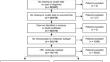
Methods: This retrospective study used SEER registry data to assess breast cancer-specific survival (BCSS) in patients diagnosed with HR+/HER2- de novo mBC from 2010 to 2019. Kaplan-Meier and Cox proportional hazards models were used to compare BCSS in patients diagnosed before (2010‒2013 with follow-up to 2014) and after (2015‒2018 with follow-up to 2019) the 2015 guideline recommendations for CDK4/6i use. A comparison was made to patients with HR+/HER2-positive (HER2+) de novo mBC, for which no major guideline changes occurred during 2015-2018.
Results: Data from 11,467 women with HR+/HER2- mBC and 3260 women with HR+/HER2+ mBC were included. After baseline characteristic adjustment, patients with HR+/HER2- mBC diagnosed post-2015 (n = 6163), had an approximately 10% reduction in risk of BC-specific death compared with patients diagnosed pre-2015 (n = 5304; HR = 0.895, p < 0.0001). Conversely, no significant change was observed in HR+/HER2+ BCSS post-2015 (n = 1798) versus pre-2015 (n = 1462). Similar results were found in patients aged ≥ 65 years.
Conclusion: Using one of the largest US population-based longitudinal cancer databases, significant improvements in BCSS were noted in patients with HR+/HER2- mBC post-2015 versus pre-2015, potentially due to the introduction of CDK4/6i post-2015. No significant improvement in BCSS was observed in patients with HR+/HER2+ mBC post-2015 versus pre-2015, likely due to the availability of HER2-directed therapies in both time periods.
期刊介绍:
Breast Cancer Research and Treatment provides the surgeon, radiotherapist, medical oncologist, endocrinologist, epidemiologist, immunologist or cell biologist investigating problems in breast cancer a single forum for communication. The journal creates a "market place" for breast cancer topics which cuts across all the usual lines of disciplines, providing a site for presenting pertinent investigations, and for discussing critical questions relevant to the entire field. It seeks to develop a new focus and new perspectives for all those concerned with breast cancer.




 京公网安备 11010802042870号
京ICP备2023020795号-1
京公网安备 11010802042870号
京ICP备2023020795号-1

 分享
分享
 求助内容:
求助内容: 应助结果提醒方式:
 扫码关注我们
