{"title":"左旋肉碱治疗丙戊酸引起的毒性","authors":"Tomasz Gziut, Ruben Thanacoody","doi":"10.1111/bcp.16233","DOIUrl":null,"url":null,"abstract":"<div>\n \n <section>\n \n <h3> Aims</h3>\n \n <p>Review the effectiveness and dosing of L-carnitine for valproic-acid induced toxicity.</p>\n </section>\n \n <section>\n \n <h3> Methods</h3>\n \n <p>A literature review of the pharmacokinetics and clinical use of L-carnitine was performed.</p>\n </section>\n \n <section>\n \n <h3> Results</h3>\n \n <p>Valproic acid is a fatty acid used for numerous therapeutic indications ranging from epilepsy to bipolar disorder. The metabolism of valproic acid produces both therapeutic and toxic metabolites. Whilst it has a good safety profile, adverse effects of valproic acid in chronic use include hepatotoxicity ranging from transient elevation of liver enzymes to fulminant liver failure and hyperammonaemia with resultant encephalopathy. L-carnitine is an essential cofactor for mitochondrial fatty acid metabolism, which is an important source of energy in cardiac and skeletal muscle. Physiological concentrations of L-carnitine are maintained in man by exogenous dietary intake and endogenous synthesis. Following exogenous oral administration of L-carnitine, the bioavailability ranges from 14% to 18%. After bolus intravenous administration of L-carnitine in doses ranging from 20 to 100 mg/kg, the volume of distribution is 0.2–0.3 L/kg, and the fraction excreted unchanged in urine is 0.73–0.95, suggesting that renal clearance of L-carnitine is dose dependent due to saturable renal reabsorption at supraphysiological concentrations.</p>\n </section>\n \n <section>\n \n <h3> Conclusions</h3>\n \n <p>There is evidence supporting the use of L-carnitine in treating hyperammonaemia and hepatotoxicity following chronic therapeutic use and after acute overdose of valproic acid, but the optimal dose and route of administration is unknown. Based on the pharmacokinetics of L-carnitine, we advocate the administration of L-carnitine for valproic-acid induced hyperammonaemia or hepatotoxicity as an intravenous loading dose of 5 mg/kg followed by a continuous intravenous infusion instead of the oral or intravenous boluses that are currently advocated.</p>\n </section>\n </div>","PeriodicalId":9251,"journal":{"name":"British journal of clinical pharmacology","volume":"91 3","pages":"636-647"},"PeriodicalIF":3.0000,"publicationDate":"2024-09-11","publicationTypes":"Journal Article","fieldsOfStudy":null,"isOpenAccess":false,"openAccessPdf":"https://onlinelibrary.wiley.com/doi/epdf/10.1111/bcp.16233","citationCount":"0","resultStr":"{\"title\":\"L-carnitine for valproic acid-induced toxicity\",\"authors\":\"Tomasz Gziut, Ruben Thanacoody\",\"doi\":\"10.1111/bcp.16233\",\"DOIUrl\":null,\"url\":null,\"abstract\":\"<div>\\n \\n <section>\\n \\n <h3> Aims</h3>\\n \\n <p>Review the effectiveness and dosing of L-carnitine for valproic-acid induced toxicity.</p>\\n </section>\\n \\n <section>\\n \\n <h3> Methods</h3>\\n \\n <p>A literature review of the pharmacokinetics and clinical use of L-carnitine was performed.</p>\\n </section>\\n \\n <section>\\n \\n <h3> Results</h3>\\n \\n <p>Valproic acid is a fatty acid used for numerous therapeutic indications ranging from epilepsy to bipolar disorder. The metabolism of valproic acid produces both therapeutic and toxic metabolites. Whilst it has a good safety profile, adverse effects of valproic acid in chronic use include hepatotoxicity ranging from transient elevation of liver enzymes to fulminant liver failure and hyperammonaemia with resultant encephalopathy. L-carnitine is an essential cofactor for mitochondrial fatty acid metabolism, which is an important source of energy in cardiac and skeletal muscle. Physiological concentrations of L-carnitine are maintained in man by exogenous dietary intake and endogenous synthesis. Following exogenous oral administration of L-carnitine, the bioavailability ranges from 14% to 18%. After bolus intravenous administration of L-carnitine in doses ranging from 20 to 100 mg/kg, the volume of distribution is 0.2–0.3 L/kg, and the fraction excreted unchanged in urine is 0.73–0.95, suggesting that renal clearance of L-carnitine is dose dependent due to saturable renal reabsorption at supraphysiological concentrations.</p>\\n </section>\\n \\n <section>\\n \\n <h3> Conclusions</h3>\\n \\n <p>There is evidence supporting the use of L-carnitine in treating hyperammonaemia and hepatotoxicity following chronic therapeutic use and after acute overdose of valproic acid, but the optimal dose and route of administration is unknown. Based on the pharmacokinetics of L-carnitine, we advocate the administration of L-carnitine for valproic-acid induced hyperammonaemia or hepatotoxicity as an intravenous loading dose of 5 mg/kg followed by a continuous intravenous infusion instead of the oral or intravenous boluses that are currently advocated.</p>\\n </section>\\n </div>\",\"PeriodicalId\":9251,\"journal\":{\"name\":\"British journal of clinical pharmacology\",\"volume\":\"91 3\",\"pages\":\"636-647\"},\"PeriodicalIF\":3.0000,\"publicationDate\":\"2024-09-11\",\"publicationTypes\":\"Journal Article\",\"fieldsOfStudy\":null,\"isOpenAccess\":false,\"openAccessPdf\":\"https://onlinelibrary.wiley.com/doi/epdf/10.1111/bcp.16233\",\"citationCount\":\"0\",\"resultStr\":null,\"platform\":\"Semanticscholar\",\"paperid\":null,\"PeriodicalName\":\"British journal of clinical pharmacology\",\"FirstCategoryId\":\"3\",\"ListUrlMain\":\"https://bpspubs.onlinelibrary.wiley.com/doi/10.1111/bcp.16233\",\"RegionNum\":3,\"RegionCategory\":\"医学\",\"ArticlePicture\":[],\"TitleCN\":null,\"AbstractTextCN\":null,\"PMCID\":null,\"EPubDate\":\"\",\"PubModel\":\"\",\"JCR\":\"Q2\",\"JCRName\":\"PHARMACOLOGY & PHARMACY\",\"Score\":null,\"Total\":0}","platform":"Semanticscholar","paperid":null,"PeriodicalName":"British journal of clinical pharmacology","FirstCategoryId":"3","ListUrlMain":"https://bpspubs.onlinelibrary.wiley.com/doi/10.1111/bcp.16233","RegionNum":3,"RegionCategory":"医学","ArticlePicture":[],"TitleCN":null,"AbstractTextCN":null,"PMCID":null,"EPubDate":"","PubModel":"","JCR":"Q2","JCRName":"PHARMACOLOGY & PHARMACY","Score":null,"Total":0}
Review the effectiveness and dosing of L-carnitine for valproic-acid induced toxicity.
Methods
A literature review of the pharmacokinetics and clinical use of L-carnitine was performed.
Results
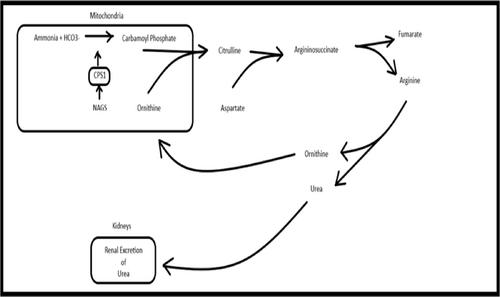
Valproic acid is a fatty acid used for numerous therapeutic indications ranging from epilepsy to bipolar disorder. The metabolism of valproic acid produces both therapeutic and toxic metabolites. Whilst it has a good safety profile, adverse effects of valproic acid in chronic use include hepatotoxicity ranging from transient elevation of liver enzymes to fulminant liver failure and hyperammonaemia with resultant encephalopathy. L-carnitine is an essential cofactor for mitochondrial fatty acid metabolism, which is an important source of energy in cardiac and skeletal muscle. Physiological concentrations of L-carnitine are maintained in man by exogenous dietary intake and endogenous synthesis. Following exogenous oral administration of L-carnitine, the bioavailability ranges from 14% to 18%. After bolus intravenous administration of L-carnitine in doses ranging from 20 to 100 mg/kg, the volume of distribution is 0.2–0.3 L/kg, and the fraction excreted unchanged in urine is 0.73–0.95, suggesting that renal clearance of L-carnitine is dose dependent due to saturable renal reabsorption at supraphysiological concentrations.
Conclusions
There is evidence supporting the use of L-carnitine in treating hyperammonaemia and hepatotoxicity following chronic therapeutic use and after acute overdose of valproic acid, but the optimal dose and route of administration is unknown. Based on the pharmacokinetics of L-carnitine, we advocate the administration of L-carnitine for valproic-acid induced hyperammonaemia or hepatotoxicity as an intravenous loading dose of 5 mg/kg followed by a continuous intravenous infusion instead of the oral or intravenous boluses that are currently advocated.
期刊介绍:
Published on behalf of the British Pharmacological Society, the British Journal of Clinical Pharmacology features papers and reports on all aspects of drug action in humans: review articles, mini review articles, original papers, commentaries, editorials and letters. The Journal enjoys a wide readership, bridging the gap between the medical profession, clinical research and the pharmaceutical industry. It also publishes research on new methods, new drugs and new approaches to treatment. The Journal is recognised as one of the leading publications in its field. It is online only, publishes open access research through its OnlineOpen programme and is published monthly.






 京公网安备 11010802042870号
京ICP备2023020795号-1
京公网安备 11010802042870号
京ICP备2023020795号-1

 分享
分享
 求助内容:
求助内容: 应助结果提醒方式:
 扫码关注我们
