{"title":"用于气道管理和重症监护的一次性与可重复使用柔性支气管镜:综述","authors":"Sean Boyd, Ciara J. Murphy, Lindi Snyman","doi":"10.1111/anae.16430","DOIUrl":null,"url":null,"abstract":"<div>\n \n \n <section>\n \n <h3> Introduction</h3>\n \n <p>Flexible bronchoscopes have become essential in the operating theatre environment and in critical care. This narrative review compared single-use and reusable flexible bronchoscopes with a focus on safety, efficacy, cost-effectiveness and environmental impact.</p>\n </section>\n \n <section>\n \n <h3> Methods</h3>\n \n <p>We searched MEDLINE, Embase and PubMed databases for studies related to flexible bronchoscopes for airway management or use in critical care. Human or animal studies of any design assessing single-use and reusable flexible bronchoscopes were included and qualitatively synthesised. We also searched manufacturer websites for relevant data.</p>\n </section>\n \n <section>\n \n <h3> Results</h3>\n \n <p>We included 52 studies and data from six manufacturer websites. There was mixed evidence for safety, and data on usability also showed significant heterogeneity, with different parameters, manufacturers and models examined. Neither single-use nor reusable flexible bronchoscopes appeared convincingly superior to the other for safety or usability. Cost analyses showed that the rate of use of flexible bronchoscopes per year, along with several other factors, affects cost-effectiveness for each institution, though the risk of cross-contamination is an advantage of single-use devices. However, sufficient evidence on the rate of bronchoscopy-induced infection in the operating theatre and critical care environment is lacking. Due to the risk of cross-contamination, single-use flexible bronchoscopes must be sterilised or incinerated after use, and completely recyclable single-use models are not currently available.</p>\n </section>\n \n <section>\n \n <h3> Conclusions</h3>\n \n <p>Further research is required on safety, usability and life cycle assessment in the operating theatre and critical care environment, as well as on the rate of bronchoscopy-induced infection. Future comparative studies, including new manufacturers and designs, may lend further insights.</p>\n </section>\n </div>","PeriodicalId":7742,"journal":{"name":"Anaesthesia","volume":"80 2","pages":"197-204"},"PeriodicalIF":7.4000,"publicationDate":"2025-01-13","publicationTypes":"Journal Article","fieldsOfStudy":null,"isOpenAccess":false,"openAccessPdf":"https://onlinelibrary.wiley.com/doi/epdf/10.1111/anae.16430","citationCount":"0","resultStr":"{\"title\":\"Single-use vs. reusable flexible bronchoscopes for airway management and in critical care: a narrative review\",\"authors\":\"Sean Boyd, Ciara J. Murphy, Lindi Snyman\",\"doi\":\"10.1111/anae.16430\",\"DOIUrl\":null,\"url\":null,\"abstract\":\"<div>\\n \\n \\n <section>\\n \\n <h3> Introduction</h3>\\n \\n <p>Flexible bronchoscopes have become essential in the operating theatre environment and in critical care. This narrative review compared single-use and reusable flexible bronchoscopes with a focus on safety, efficacy, cost-effectiveness and environmental impact.</p>\\n </section>\\n \\n <section>\\n \\n <h3> Methods</h3>\\n \\n <p>We searched MEDLINE, Embase and PubMed databases for studies related to flexible bronchoscopes for airway management or use in critical care. Human or animal studies of any design assessing single-use and reusable flexible bronchoscopes were included and qualitatively synthesised. We also searched manufacturer websites for relevant data.</p>\\n </section>\\n \\n <section>\\n \\n <h3> Results</h3>\\n \\n <p>We included 52 studies and data from six manufacturer websites. There was mixed evidence for safety, and data on usability also showed significant heterogeneity, with different parameters, manufacturers and models examined. Neither single-use nor reusable flexible bronchoscopes appeared convincingly superior to the other for safety or usability. Cost analyses showed that the rate of use of flexible bronchoscopes per year, along with several other factors, affects cost-effectiveness for each institution, though the risk of cross-contamination is an advantage of single-use devices. However, sufficient evidence on the rate of bronchoscopy-induced infection in the operating theatre and critical care environment is lacking. Due to the risk of cross-contamination, single-use flexible bronchoscopes must be sterilised or incinerated after use, and completely recyclable single-use models are not currently available.</p>\\n </section>\\n \\n <section>\\n \\n <h3> Conclusions</h3>\\n \\n <p>Further research is required on safety, usability and life cycle assessment in the operating theatre and critical care environment, as well as on the rate of bronchoscopy-induced infection. Future comparative studies, including new manufacturers and designs, may lend further insights.</p>\\n </section>\\n </div>\",\"PeriodicalId\":7742,\"journal\":{\"name\":\"Anaesthesia\",\"volume\":\"80 2\",\"pages\":\"197-204\"},\"PeriodicalIF\":7.4000,\"publicationDate\":\"2025-01-13\",\"publicationTypes\":\"Journal Article\",\"fieldsOfStudy\":null,\"isOpenAccess\":false,\"openAccessPdf\":\"https://onlinelibrary.wiley.com/doi/epdf/10.1111/anae.16430\",\"citationCount\":\"0\",\"resultStr\":null,\"platform\":\"Semanticscholar\",\"paperid\":null,\"PeriodicalName\":\"Anaesthesia\",\"FirstCategoryId\":\"3\",\"ListUrlMain\":\"https://onlinelibrary.wiley.com/doi/10.1111/anae.16430\",\"RegionNum\":1,\"RegionCategory\":\"医学\",\"ArticlePicture\":[],\"TitleCN\":null,\"AbstractTextCN\":null,\"PMCID\":null,\"EPubDate\":\"2024/9/30 0:00:00\",\"PubModel\":\"Epub\",\"JCR\":\"Q1\",\"JCRName\":\"ANESTHESIOLOGY\",\"Score\":null,\"Total\":0}","platform":"Semanticscholar","paperid":null,"PeriodicalName":"Anaesthesia","FirstCategoryId":"3","ListUrlMain":"https://onlinelibrary.wiley.com/doi/10.1111/anae.16430","RegionNum":1,"RegionCategory":"医学","ArticlePicture":[],"TitleCN":null,"AbstractTextCN":null,"PMCID":null,"EPubDate":"2024/9/30 0:00:00","PubModel":"Epub","JCR":"Q1","JCRName":"ANESTHESIOLOGY","Score":null,"Total":0}
Single-use vs. reusable flexible bronchoscopes for airway management and in critical care: a narrative review
Introduction
Flexible bronchoscopes have become essential in the operating theatre environment and in critical care. This narrative review compared single-use and reusable flexible bronchoscopes with a focus on safety, efficacy, cost-effectiveness and environmental impact.
Methods
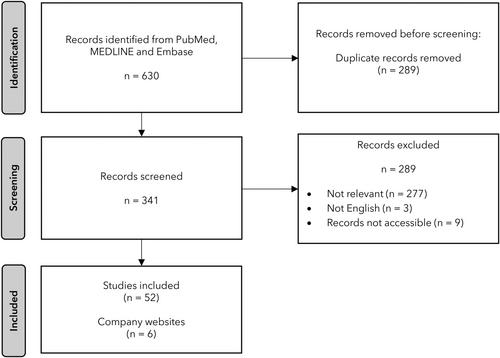
We searched MEDLINE, Embase and PubMed databases for studies related to flexible bronchoscopes for airway management or use in critical care. Human or animal studies of any design assessing single-use and reusable flexible bronchoscopes were included and qualitatively synthesised. We also searched manufacturer websites for relevant data.
Results
We included 52 studies and data from six manufacturer websites. There was mixed evidence for safety, and data on usability also showed significant heterogeneity, with different parameters, manufacturers and models examined. Neither single-use nor reusable flexible bronchoscopes appeared convincingly superior to the other for safety or usability. Cost analyses showed that the rate of use of flexible bronchoscopes per year, along with several other factors, affects cost-effectiveness for each institution, though the risk of cross-contamination is an advantage of single-use devices. However, sufficient evidence on the rate of bronchoscopy-induced infection in the operating theatre and critical care environment is lacking. Due to the risk of cross-contamination, single-use flexible bronchoscopes must be sterilised or incinerated after use, and completely recyclable single-use models are not currently available.
Conclusions
Further research is required on safety, usability and life cycle assessment in the operating theatre and critical care environment, as well as on the rate of bronchoscopy-induced infection. Future comparative studies, including new manufacturers and designs, may lend further insights.
期刊介绍:
The official journal of the Association of Anaesthetists is Anaesthesia. It is a comprehensive international publication that covers a wide range of topics. The journal focuses on general and regional anaesthesia, as well as intensive care and pain therapy. It includes original articles that have undergone peer review, covering all aspects of these fields, including research on equipment.






 京公网安备 11010802042870号
京ICP备2023020795号-1
京公网安备 11010802042870号
京ICP备2023020795号-1

 分享
分享
 求助内容:
求助内容: 应助结果提醒方式:
 扫码关注我们
