{"title":"新型抗 CTLA-4 抗体 JS007 在晚期实体瘤患者中的临床前研究和首次人体 1a 期试验。","authors":"Chenfei Zhou, Jinling Jiang, Xiaojun Xiang, Hongli Liu, Guowu Wu, Ruichao Zeng, Tong Lu, Mengqi Zhang, Yuteng Shen, Min Hong, Jun Zhang","doi":"10.1186/s40164-024-00567-7","DOIUrl":null,"url":null,"abstract":"<p><strong>Background: </strong>Blocking cytotoxic T lymphocyte-associated antigen-4 (CTLA-4) shows substantial antitumor efficacy. Here, we report the preclinical data and outcomes of a first-in-human phase 1a trial of JS007, a novel anti-CTLA-4 antibody, in advanced solid tumors.</p><p><strong>Methods: </strong>In preclinical studies, both in vitro characteristics and in vivo characteristics of JS007 were investigated. The clinical trial included a dose escalation phase and a dose expansion phase. Eligible patients with previously treated advanced solid tumors were enrolled. In the dose escalation phase, JS007 was administered intravenously every 3 weeks at doses of 0.03, 0.3, 1, 3, and 10 mg/kg. Then, 3 and 10 mg/kg were chosen for the dose expansion phase. The primary endpoints included the maximum tolerated dose (MTD) of JS007 based on dose-limiting toxicities (DLTs) and safety.</p><p><strong>Results: </strong>JS007 could effectively bind to CTLA-4 and induce an immune response in vitro. Potent in vivo antitumor activity of JS007 was observed. Increased T cell infiltration and T regulatory (Treg) cell depletion in tumor microenvironment of cancer cell xenografts were detected after treated with JS007. Pharmacological analysis in experimental animals showed a dose-proportional increase in exposure. In the clinical trial, a total of 28 patients were treated with JS007 across 5 dose levels. No DLTs occurred. The MTD did not reach at the highest dose tested (10 mg/kg). Twenty-three (82.1%) patients experienced at least one treatment-related adverse event (TRAE). The incidence of Grade ≥ 3 TRAEs was 28.6% (8/28) with alanine aminotransferase increase (7.1%, 2/28) being the most frequently reported TRAE. No severe immune-related adverse event (irAE) occurred. Pharmacological profiles of JS007 in patients were similar to those in animal models. Serum concentration of JS007 showed a dose-dependent escalation, and the half-life of JS007 was 9.4 ~ 12.2 days. Treatment-induced anti-drug antibody was detected in 2 patients. The disease control rate was 50% (14/28), and the median overall survival was 14.7 months.</p><p><strong>Conclusions: </strong>JS007 preliminarily demonstrates good tolerance and encouraging antitumor activity in patients with previously treated advanced solid tumors.</p><p><strong>Trial registration: </strong>ClinicalTrials.gov identifier: NCT05049265 (Sep 20, 2021).</p>","PeriodicalId":12180,"journal":{"name":"Experimental Hematology & Oncology","volume":"13 1","pages":"98"},"PeriodicalIF":17.5000,"publicationDate":"2024-10-01","publicationTypes":"Journal Article","fieldsOfStudy":null,"isOpenAccess":false,"openAccessPdf":"https://www.ncbi.nlm.nih.gov/pmc/articles/PMC11443874/pdf/","citationCount":"0","resultStr":"{\"title\":\"Preclinical investigations and a first-in-human phase 1a trial of JS007, a novel anti-CTLA-4 antibody, in patients with advanced solid tumors.\",\"authors\":\"Chenfei Zhou, Jinling Jiang, Xiaojun Xiang, Hongli Liu, Guowu Wu, Ruichao Zeng, Tong Lu, Mengqi Zhang, Yuteng Shen, Min Hong, Jun Zhang\",\"doi\":\"10.1186/s40164-024-00567-7\",\"DOIUrl\":null,\"url\":null,\"abstract\":\"<p><strong>Background: </strong>Blocking cytotoxic T lymphocyte-associated antigen-4 (CTLA-4) shows substantial antitumor efficacy. Here, we report the preclinical data and outcomes of a first-in-human phase 1a trial of JS007, a novel anti-CTLA-4 antibody, in advanced solid tumors.</p><p><strong>Methods: </strong>In preclinical studies, both in vitro characteristics and in vivo characteristics of JS007 were investigated. The clinical trial included a dose escalation phase and a dose expansion phase. Eligible patients with previously treated advanced solid tumors were enrolled. In the dose escalation phase, JS007 was administered intravenously every 3 weeks at doses of 0.03, 0.3, 1, 3, and 10 mg/kg. Then, 3 and 10 mg/kg were chosen for the dose expansion phase. The primary endpoints included the maximum tolerated dose (MTD) of JS007 based on dose-limiting toxicities (DLTs) and safety.</p><p><strong>Results: </strong>JS007 could effectively bind to CTLA-4 and induce an immune response in vitro. Potent in vivo antitumor activity of JS007 was observed. Increased T cell infiltration and T regulatory (Treg) cell depletion in tumor microenvironment of cancer cell xenografts were detected after treated with JS007. Pharmacological analysis in experimental animals showed a dose-proportional increase in exposure. In the clinical trial, a total of 28 patients were treated with JS007 across 5 dose levels. No DLTs occurred. The MTD did not reach at the highest dose tested (10 mg/kg). Twenty-three (82.1%) patients experienced at least one treatment-related adverse event (TRAE). The incidence of Grade ≥ 3 TRAEs was 28.6% (8/28) with alanine aminotransferase increase (7.1%, 2/28) being the most frequently reported TRAE. No severe immune-related adverse event (irAE) occurred. Pharmacological profiles of JS007 in patients were similar to those in animal models. Serum concentration of JS007 showed a dose-dependent escalation, and the half-life of JS007 was 9.4 ~ 12.2 days. Treatment-induced anti-drug antibody was detected in 2 patients. The disease control rate was 50% (14/28), and the median overall survival was 14.7 months.</p><p><strong>Conclusions: </strong>JS007 preliminarily demonstrates good tolerance and encouraging antitumor activity in patients with previously treated advanced solid tumors.</p><p><strong>Trial registration: </strong>ClinicalTrials.gov identifier: NCT05049265 (Sep 20, 2021).</p>\",\"PeriodicalId\":12180,\"journal\":{\"name\":\"Experimental Hematology & Oncology\",\"volume\":\"13 1\",\"pages\":\"98\"},\"PeriodicalIF\":17.5000,\"publicationDate\":\"2024-10-01\",\"publicationTypes\":\"Journal Article\",\"fieldsOfStudy\":null,\"isOpenAccess\":false,\"openAccessPdf\":\"https://www.ncbi.nlm.nih.gov/pmc/articles/PMC11443874/pdf/\",\"citationCount\":\"0\",\"resultStr\":null,\"platform\":\"Semanticscholar\",\"paperid\":null,\"PeriodicalName\":\"Experimental Hematology & Oncology\",\"FirstCategoryId\":\"3\",\"ListUrlMain\":\"https://doi.org/10.1186/s40164-024-00567-7\",\"RegionNum\":1,\"RegionCategory\":\"医学\",\"ArticlePicture\":[],\"TitleCN\":null,\"AbstractTextCN\":null,\"PMCID\":null,\"EPubDate\":\"\",\"PubModel\":\"\",\"JCR\":\"Q1\",\"JCRName\":\"HEMATOLOGY\",\"Score\":null,\"Total\":0}","platform":"Semanticscholar","paperid":null,"PeriodicalName":"Experimental Hematology & Oncology","FirstCategoryId":"3","ListUrlMain":"https://doi.org/10.1186/s40164-024-00567-7","RegionNum":1,"RegionCategory":"医学","ArticlePicture":[],"TitleCN":null,"AbstractTextCN":null,"PMCID":null,"EPubDate":"","PubModel":"","JCR":"Q1","JCRName":"HEMATOLOGY","Score":null,"Total":0}
Preclinical investigations and a first-in-human phase 1a trial of JS007, a novel anti-CTLA-4 antibody, in patients with advanced solid tumors.
Background: Blocking cytotoxic T lymphocyte-associated antigen-4 (CTLA-4) shows substantial antitumor efficacy. Here, we report the preclinical data and outcomes of a first-in-human phase 1a trial of JS007, a novel anti-CTLA-4 antibody, in advanced solid tumors.
Methods: In preclinical studies, both in vitro characteristics and in vivo characteristics of JS007 were investigated. The clinical trial included a dose escalation phase and a dose expansion phase. Eligible patients with previously treated advanced solid tumors were enrolled. In the dose escalation phase, JS007 was administered intravenously every 3 weeks at doses of 0.03, 0.3, 1, 3, and 10 mg/kg. Then, 3 and 10 mg/kg were chosen for the dose expansion phase. The primary endpoints included the maximum tolerated dose (MTD) of JS007 based on dose-limiting toxicities (DLTs) and safety.
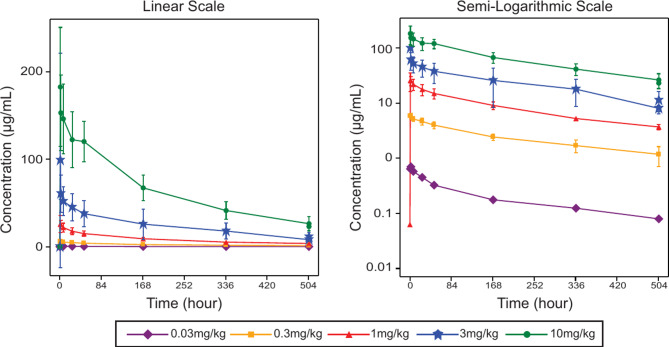
Results: JS007 could effectively bind to CTLA-4 and induce an immune response in vitro. Potent in vivo antitumor activity of JS007 was observed. Increased T cell infiltration and T regulatory (Treg) cell depletion in tumor microenvironment of cancer cell xenografts were detected after treated with JS007. Pharmacological analysis in experimental animals showed a dose-proportional increase in exposure. In the clinical trial, a total of 28 patients were treated with JS007 across 5 dose levels. No DLTs occurred. The MTD did not reach at the highest dose tested (10 mg/kg). Twenty-three (82.1%) patients experienced at least one treatment-related adverse event (TRAE). The incidence of Grade ≥ 3 TRAEs was 28.6% (8/28) with alanine aminotransferase increase (7.1%, 2/28) being the most frequently reported TRAE. No severe immune-related adverse event (irAE) occurred. Pharmacological profiles of JS007 in patients were similar to those in animal models. Serum concentration of JS007 showed a dose-dependent escalation, and the half-life of JS007 was 9.4 ~ 12.2 days. Treatment-induced anti-drug antibody was detected in 2 patients. The disease control rate was 50% (14/28), and the median overall survival was 14.7 months.
Conclusions: JS007 preliminarily demonstrates good tolerance and encouraging antitumor activity in patients with previously treated advanced solid tumors.
期刊介绍:
Experimental Hematology & Oncology is an open access journal that encompasses all aspects of hematology and oncology with an emphasis on preclinical, basic, patient-oriented and translational research. The journal acts as an international platform for sharing laboratory findings in these areas and makes a deliberate effort to publish clinical trials with 'negative' results and basic science studies with provocative findings.
Experimental Hematology & Oncology publishes original work, hypothesis, commentaries and timely reviews. With open access and rapid turnaround time from submission to publication, the journal strives to be a hub for disseminating new knowledge and discussing controversial topics for both basic scientists and busy clinicians in the closely related fields of hematology and oncology.






 京公网安备 11010802042870号
京ICP备2023020795号-1
京公网安备 11010802042870号
京ICP备2023020795号-1

 分享
分享
 求助内容:
求助内容: 应助结果提醒方式:
 扫码关注我们
