Hatice Yüceler Kaçmaz, Hilal Kahraman, Seda Akutay, Derya Dağdelen
{"title":"针对造口术患者的人工智能辅助患者教育材料的开发与验证:方法论研究","authors":"Hatice Yüceler Kaçmaz, Hilal Kahraman, Seda Akutay, Derya Dağdelen","doi":"10.1111/jan.16542","DOIUrl":null,"url":null,"abstract":"<div>\n \n \n <section>\n \n <h3> Aim</h3>\n \n <p>To develop and test the validity of an artificial intelligence–assisted patient education material for ostomy patients.</p>\n </section>\n \n <section>\n \n <h3> Design</h3>\n \n <p>A methodological study.</p>\n </section>\n \n <section>\n \n <h3> Methods</h3>\n \n <p>The study was carried out in two main stages and five steps: (1) determining the information needs of ostomy patients, (2) creating educational content, (3) converting the educational content into patient education material, (4) validation of patient education material based on expert review and (5) measuring the readability of the patient education material. We used ChatGPT 4.0 to determine the information needs and create patient education material content, and Publuu Online Flipbook Maker was used to convert the educational content into patient education material. Understandability and applicability scores were assessed using the Patient Education Materials Assessment Tool submitted to 10 expert reviews. The tool inter-rater reliability was determined via the intraclass correlation coefficient. Readability was analysed using the Flesch–Kincaid Grade Level, Gunning Fog Index and Simple Measure of Gobbledygook formula.</p>\n </section>\n \n <section>\n \n <h3> Results</h3>\n \n <p>The mean Patient Education Materials Assessment Tool understandability score of the patient education material was 81.91%, and the mean Patient Education Materials Assessment Tool actionability score was 85.33%. The scores for the readability indicators were calculated to be Flesch–Kincaid Grade Level: 8.53, Gunning Fog: 10.9 and Simple Measure of Gobbledygook: 7.99.</p>\n </section>\n \n <section>\n \n <h3> Conclusions</h3>\n \n <p>The AI-assisted patient education material for ostomy patients provided accurate information with understandable and actionable responses to patients, but is at a high reading level for patients.</p>\n </section>\n \n <section>\n \n <h3> Implications for the Profession and Patient Care</h3>\n \n <p>Artificial intelligence–assisted patient education materials can significantly increase patient information rates in the health system regarding ease of practice. Artificial intelligence is currently not an option for creating patient education material, and their impact on the patient is not fully known.</p>\n </section>\n \n <section>\n \n <h3> Reporting Method</h3>\n \n <p>The study followed the STROBE checklist guidelines.</p>\n </section>\n \n <section>\n \n <h3> Patient or Public Contribution</h3>\n \n <p>No patient or public contributions.</p>\n </section>\n </div>","PeriodicalId":54897,"journal":{"name":"Journal of Advanced Nursing","volume":"81 7","pages":"3859-3867"},"PeriodicalIF":3.8000,"publicationDate":"2024-10-18","publicationTypes":"Journal Article","fieldsOfStudy":null,"isOpenAccess":false,"openAccessPdf":"https://onlinelibrary.wiley.com/doi/epdf/10.1111/jan.16542","citationCount":"0","resultStr":"{\"title\":\"Development and Validation of an Artificial Intelligence–Assisted Patient Education Material for Ostomy Patients: A Methodological Study\",\"authors\":\"Hatice Yüceler Kaçmaz, Hilal Kahraman, Seda Akutay, Derya Dağdelen\",\"doi\":\"10.1111/jan.16542\",\"DOIUrl\":null,\"url\":null,\"abstract\":\"<div>\\n \\n \\n <section>\\n \\n <h3> Aim</h3>\\n \\n <p>To develop and test the validity of an artificial intelligence–assisted patient education material for ostomy patients.</p>\\n </section>\\n \\n <section>\\n \\n <h3> Design</h3>\\n \\n <p>A methodological study.</p>\\n </section>\\n \\n <section>\\n \\n <h3> Methods</h3>\\n \\n <p>The study was carried out in two main stages and five steps: (1) determining the information needs of ostomy patients, (2) creating educational content, (3) converting the educational content into patient education material, (4) validation of patient education material based on expert review and (5) measuring the readability of the patient education material. We used ChatGPT 4.0 to determine the information needs and create patient education material content, and Publuu Online Flipbook Maker was used to convert the educational content into patient education material. Understandability and applicability scores were assessed using the Patient Education Materials Assessment Tool submitted to 10 expert reviews. The tool inter-rater reliability was determined via the intraclass correlation coefficient. Readability was analysed using the Flesch–Kincaid Grade Level, Gunning Fog Index and Simple Measure of Gobbledygook formula.</p>\\n </section>\\n \\n <section>\\n \\n <h3> Results</h3>\\n \\n <p>The mean Patient Education Materials Assessment Tool understandability score of the patient education material was 81.91%, and the mean Patient Education Materials Assessment Tool actionability score was 85.33%. The scores for the readability indicators were calculated to be Flesch–Kincaid Grade Level: 8.53, Gunning Fog: 10.9 and Simple Measure of Gobbledygook: 7.99.</p>\\n </section>\\n \\n <section>\\n \\n <h3> Conclusions</h3>\\n \\n <p>The AI-assisted patient education material for ostomy patients provided accurate information with understandable and actionable responses to patients, but is at a high reading level for patients.</p>\\n </section>\\n \\n <section>\\n \\n <h3> Implications for the Profession and Patient Care</h3>\\n \\n <p>Artificial intelligence–assisted patient education materials can significantly increase patient information rates in the health system regarding ease of practice. Artificial intelligence is currently not an option for creating patient education material, and their impact on the patient is not fully known.</p>\\n </section>\\n \\n <section>\\n \\n <h3> Reporting Method</h3>\\n \\n <p>The study followed the STROBE checklist guidelines.</p>\\n </section>\\n \\n <section>\\n \\n <h3> Patient or Public Contribution</h3>\\n \\n <p>No patient or public contributions.</p>\\n </section>\\n </div>\",\"PeriodicalId\":54897,\"journal\":{\"name\":\"Journal of Advanced Nursing\",\"volume\":\"81 7\",\"pages\":\"3859-3867\"},\"PeriodicalIF\":3.8000,\"publicationDate\":\"2024-10-18\",\"publicationTypes\":\"Journal Article\",\"fieldsOfStudy\":null,\"isOpenAccess\":false,\"openAccessPdf\":\"https://onlinelibrary.wiley.com/doi/epdf/10.1111/jan.16542\",\"citationCount\":\"0\",\"resultStr\":null,\"platform\":\"Semanticscholar\",\"paperid\":null,\"PeriodicalName\":\"Journal of Advanced Nursing\",\"FirstCategoryId\":\"3\",\"ListUrlMain\":\"https://onlinelibrary.wiley.com/doi/10.1111/jan.16542\",\"RegionNum\":3,\"RegionCategory\":\"医学\",\"ArticlePicture\":[],\"TitleCN\":null,\"AbstractTextCN\":null,\"PMCID\":null,\"EPubDate\":\"\",\"PubModel\":\"\",\"JCR\":\"Q1\",\"JCRName\":\"NURSING\",\"Score\":null,\"Total\":0}","platform":"Semanticscholar","paperid":null,"PeriodicalName":"Journal of Advanced Nursing","FirstCategoryId":"3","ListUrlMain":"https://onlinelibrary.wiley.com/doi/10.1111/jan.16542","RegionNum":3,"RegionCategory":"医学","ArticlePicture":[],"TitleCN":null,"AbstractTextCN":null,"PMCID":null,"EPubDate":"","PubModel":"","JCR":"Q1","JCRName":"NURSING","Score":null,"Total":0}
Development and Validation of an Artificial Intelligence–Assisted Patient Education Material for Ostomy Patients: A Methodological Study
Aim
To develop and test the validity of an artificial intelligence–assisted patient education material for ostomy patients.
Design
A methodological study.
Methods
The study was carried out in two main stages and five steps: (1) determining the information needs of ostomy patients, (2) creating educational content, (3) converting the educational content into patient education material, (4) validation of patient education material based on expert review and (5) measuring the readability of the patient education material. We used ChatGPT 4.0 to determine the information needs and create patient education material content, and Publuu Online Flipbook Maker was used to convert the educational content into patient education material. Understandability and applicability scores were assessed using the Patient Education Materials Assessment Tool submitted to 10 expert reviews. The tool inter-rater reliability was determined via the intraclass correlation coefficient. Readability was analysed using the Flesch–Kincaid Grade Level, Gunning Fog Index and Simple Measure of Gobbledygook formula.
Results
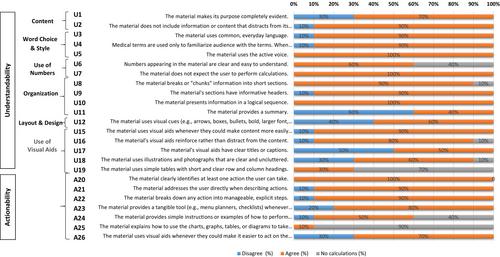
The mean Patient Education Materials Assessment Tool understandability score of the patient education material was 81.91%, and the mean Patient Education Materials Assessment Tool actionability score was 85.33%. The scores for the readability indicators were calculated to be Flesch–Kincaid Grade Level: 8.53, Gunning Fog: 10.9 and Simple Measure of Gobbledygook: 7.99.
Conclusions
The AI-assisted patient education material for ostomy patients provided accurate information with understandable and actionable responses to patients, but is at a high reading level for patients.
Implications for the Profession and Patient Care
Artificial intelligence–assisted patient education materials can significantly increase patient information rates in the health system regarding ease of practice. Artificial intelligence is currently not an option for creating patient education material, and their impact on the patient is not fully known.
Reporting Method
The study followed the STROBE checklist guidelines.
期刊介绍:
The Journal of Advanced Nursing (JAN) contributes to the advancement of evidence-based nursing, midwifery and healthcare by disseminating high quality research and scholarship of contemporary relevance and with potential to advance knowledge for practice, education, management or policy.
All JAN papers are required to have a sound scientific, evidential, theoretical or philosophical base and to be critical, questioning and scholarly in approach. As an international journal, JAN promotes diversity of research and scholarship in terms of culture, paradigm and healthcare context. For JAN’s worldwide readership, authors are expected to make clear the wider international relevance of their work and to demonstrate sensitivity to cultural considerations and differences.




 京公网安备 11010802042870号
京ICP备2023020795号-1
京公网安备 11010802042870号
京ICP备2023020795号-1

 分享
分享
 求助内容:
求助内容: 应助结果提醒方式:
 扫码关注我们
