{"title":"欧洲夜莺(Caprimulgus europaeus)这一神秘的一夫一妻制物种的表面多妻制案例","authors":"Ruben Evens, Michiel Lathouwers, Jitse Creemers, Eddy Ulenaers, Marcel Eens, Bart Kempenaers","doi":"10.1002/ece3.70366","DOIUrl":null,"url":null,"abstract":"<p>In many socially monogamous bird species with biparental care, occasional social polygyny has been detected. We provide information about a case of facultative polygyny in the European Nightjar (<i>Caprimulgus europaeus</i>). The male nightjar (I96) formed a pair with two females (I95: the presumed primary female with whom he already bred since 2018; M042: the presumed secondary female, an inexperienced yearling). GPS and accelerometer data demonstrate how the male only sang in proximity of the primary nest, while assisting both females during incubation, as well as during the nestling period. When the male came to the nest, the primary and/or secondary female went foraging, but the secondary female received less assistance during incubation than the primary female, and her eggs were often left unattended. However, once the chicks of the secondary female hatched, male assistance suddenly increased, presumably at a cost to the primary female. Being only the second record of social polygyny in the European Nightjar, we do not have a direct explication for the occurrence of this polygynous event. We note that male density at the study site was lower than that observed in previous seasons. The male may have taken over the female that was initially paired to a neighbouring territory holder that then died. Alternatively, the inexperienced female might have mated with an already paired male, either because she was not aware of the mating status of the male, or because she could not find an unpaired male, or because mating with this paired male was better than mating with another unpaired male. In any case, the breeding ecology and mating behaviour of this crepuscular bird species remains little understood.</p>","PeriodicalId":11467,"journal":{"name":"Ecology and Evolution","volume":"14 10","pages":""},"PeriodicalIF":2.3000,"publicationDate":"2024-10-17","publicationTypes":"Journal Article","fieldsOfStudy":null,"isOpenAccess":false,"openAccessPdf":"https://onlinelibrary.wiley.com/doi/epdf/10.1002/ece3.70366","citationCount":"0","resultStr":"{\"title\":\"A Case of Facultative Polygyny in an Enigmatic Monogamous Species, the European Nightjar (Caprimulgus europaeus)\",\"authors\":\"Ruben Evens, Michiel Lathouwers, Jitse Creemers, Eddy Ulenaers, Marcel Eens, Bart Kempenaers\",\"doi\":\"10.1002/ece3.70366\",\"DOIUrl\":null,\"url\":null,\"abstract\":\"<p>In many socially monogamous bird species with biparental care, occasional social polygyny has been detected. We provide information about a case of facultative polygyny in the European Nightjar (<i>Caprimulgus europaeus</i>). The male nightjar (I96) formed a pair with two females (I95: the presumed primary female with whom he already bred since 2018; M042: the presumed secondary female, an inexperienced yearling). GPS and accelerometer data demonstrate how the male only sang in proximity of the primary nest, while assisting both females during incubation, as well as during the nestling period. When the male came to the nest, the primary and/or secondary female went foraging, but the secondary female received less assistance during incubation than the primary female, and her eggs were often left unattended. However, once the chicks of the secondary female hatched, male assistance suddenly increased, presumably at a cost to the primary female. Being only the second record of social polygyny in the European Nightjar, we do not have a direct explication for the occurrence of this polygynous event. We note that male density at the study site was lower than that observed in previous seasons. The male may have taken over the female that was initially paired to a neighbouring territory holder that then died. Alternatively, the inexperienced female might have mated with an already paired male, either because she was not aware of the mating status of the male, or because she could not find an unpaired male, or because mating with this paired male was better than mating with another unpaired male. In any case, the breeding ecology and mating behaviour of this crepuscular bird species remains little understood.</p>\",\"PeriodicalId\":11467,\"journal\":{\"name\":\"Ecology and Evolution\",\"volume\":\"14 10\",\"pages\":\"\"},\"PeriodicalIF\":2.3000,\"publicationDate\":\"2024-10-17\",\"publicationTypes\":\"Journal Article\",\"fieldsOfStudy\":null,\"isOpenAccess\":false,\"openAccessPdf\":\"https://onlinelibrary.wiley.com/doi/epdf/10.1002/ece3.70366\",\"citationCount\":\"0\",\"resultStr\":null,\"platform\":\"Semanticscholar\",\"paperid\":null,\"PeriodicalName\":\"Ecology and Evolution\",\"FirstCategoryId\":\"99\",\"ListUrlMain\":\"https://onlinelibrary.wiley.com/doi/10.1002/ece3.70366\",\"RegionNum\":2,\"RegionCategory\":\"生物学\",\"ArticlePicture\":[],\"TitleCN\":null,\"AbstractTextCN\":null,\"PMCID\":null,\"EPubDate\":\"\",\"PubModel\":\"\",\"JCR\":\"Q2\",\"JCRName\":\"ECOLOGY\",\"Score\":null,\"Total\":0}","platform":"Semanticscholar","paperid":null,"PeriodicalName":"Ecology and Evolution","FirstCategoryId":"99","ListUrlMain":"https://onlinelibrary.wiley.com/doi/10.1002/ece3.70366","RegionNum":2,"RegionCategory":"生物学","ArticlePicture":[],"TitleCN":null,"AbstractTextCN":null,"PMCID":null,"EPubDate":"","PubModel":"","JCR":"Q2","JCRName":"ECOLOGY","Score":null,"Total":0}
A Case of Facultative Polygyny in an Enigmatic Monogamous Species, the European Nightjar (Caprimulgus europaeus)
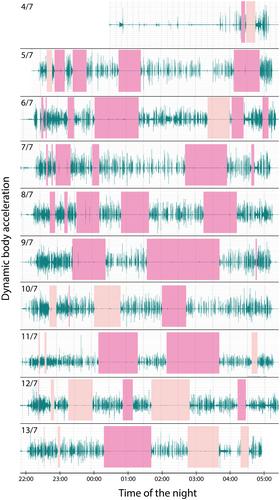
In many socially monogamous bird species with biparental care, occasional social polygyny has been detected. We provide information about a case of facultative polygyny in the European Nightjar (Caprimulgus europaeus). The male nightjar (I96) formed a pair with two females (I95: the presumed primary female with whom he already bred since 2018; M042: the presumed secondary female, an inexperienced yearling). GPS and accelerometer data demonstrate how the male only sang in proximity of the primary nest, while assisting both females during incubation, as well as during the nestling period. When the male came to the nest, the primary and/or secondary female went foraging, but the secondary female received less assistance during incubation than the primary female, and her eggs were often left unattended. However, once the chicks of the secondary female hatched, male assistance suddenly increased, presumably at a cost to the primary female. Being only the second record of social polygyny in the European Nightjar, we do not have a direct explication for the occurrence of this polygynous event. We note that male density at the study site was lower than that observed in previous seasons. The male may have taken over the female that was initially paired to a neighbouring territory holder that then died. Alternatively, the inexperienced female might have mated with an already paired male, either because she was not aware of the mating status of the male, or because she could not find an unpaired male, or because mating with this paired male was better than mating with another unpaired male. In any case, the breeding ecology and mating behaviour of this crepuscular bird species remains little understood.
期刊介绍:
Ecology and Evolution is the peer reviewed journal for rapid dissemination of research in all areas of ecology, evolution and conservation science. The journal gives priority to quality research reports, theoretical or empirical, that develop our understanding of organisms and their diversity, interactions between them, and the natural environment.
Ecology and Evolution gives prompt and equal consideration to papers reporting theoretical, experimental, applied and descriptive work in terrestrial and aquatic environments. The journal will consider submissions across taxa in areas including but not limited to micro and macro ecological and evolutionary processes, characteristics of and interactions between individuals, populations, communities and the environment, physiological responses to environmental change, population genetics and phylogenetics, relatedness and kin selection, life histories, systematics and taxonomy, conservation genetics, extinction, speciation, adaption, behaviour, biodiversity, species abundance, macroecology, population and ecosystem dynamics, and conservation policy.




 京公网安备 11010802042870号
京ICP备2023020795号-1
京公网安备 11010802042870号
京ICP备2023020795号-1

 分享
分享
 求助内容:
求助内容: 应助结果提醒方式:
 扫码关注我们
