{"title":"溶解微针:在黑色素瘤治疗中脱颖而出","authors":"Jingting Huang, Xihao Wang and Zhengyong Li","doi":"10.1039/D4TB01142B","DOIUrl":null,"url":null,"abstract":"<p >Melanoma is one of the most significant and dangerous superficial skin tumors with a high fatality rate, thanks to its high invasion rate, drug resistance and frequent metastasis properties. Unfortunately, researchers for decades have demonstrated that the outcome of using conventional therapies like chemotherapy and immunotherapy with normal drug delivery routes, such as an oral route to treat melanoma was not satisfactory. The severe adverse effects, slow drug delivery efficiency and low drug accumulation at targeted malignancy sites all lead to poor anti-cancer efficacy and terrible treatment experience. As a novel transdermal drug delivery system, microneedles (MNs) have emerged as an effective solution to help improve the low cure rate of melanoma. The excellent characteristics of MNs make it easy to penetrate the stratum corneum (SC) and then locally deliver the drug towards the lesion without drug leakage to mitigate the occurrence of side effects and increase the drug accumulation. Therefore, loading chemotherapeutic drugs or immunotherapy drugs in MNs can address the problems mentioned above, and MNs play a crucial role in improving the curative effect of conventional treatment methods. Notably, novel tumor therapies like photothermal therapy (PTT), photodynamic therapy (PDT) and chemodynamic therapy (CDT) have shown good application prospects in the treatment of melanoma, and MNs provide a valid platform for the combination of conventional therapies and novel therapies by encompassing different therapeutic materials in the matrix of MNs. The synergistic effect of multiple therapies can enhance the therapeutic efficacy compared to single therapies, showing great potential in melanoma treatment. Dissolving MNs have been the most commonly used microneedles in the treatment of melanoma in recent years, mainly because of their simple fabrication procedure and enough drug loading. So, considering the increasing use of dissolving MNs, this review collects research studies published in the last four years (2020–2024) that have rarely been included in other reviews to update the progress of applications of dissolving MNs in anti-melanoma treatment, especially in synergistic therapies. This review also presents current design and fabrication methods of dissolving MNs; the limitations of microneedle technology in the treatment of melanoma are comprehensively discussed. This review can provide valuable guidance for their future development.</p>","PeriodicalId":83,"journal":{"name":"Journal of Materials Chemistry B","volume":" 45","pages":" 11573-11595"},"PeriodicalIF":6.1000,"publicationDate":"2024-10-11","publicationTypes":"Journal Article","fieldsOfStudy":null,"isOpenAccess":false,"openAccessPdf":"","citationCount":"0","resultStr":"{\"title\":\"Dissolving microneedles: standing out in melanoma treatment\",\"authors\":\"Jingting Huang, Xihao Wang and Zhengyong Li\",\"doi\":\"10.1039/D4TB01142B\",\"DOIUrl\":null,\"url\":null,\"abstract\":\"<p >Melanoma is one of the most significant and dangerous superficial skin tumors with a high fatality rate, thanks to its high invasion rate, drug resistance and frequent metastasis properties. Unfortunately, researchers for decades have demonstrated that the outcome of using conventional therapies like chemotherapy and immunotherapy with normal drug delivery routes, such as an oral route to treat melanoma was not satisfactory. The severe adverse effects, slow drug delivery efficiency and low drug accumulation at targeted malignancy sites all lead to poor anti-cancer efficacy and terrible treatment experience. As a novel transdermal drug delivery system, microneedles (MNs) have emerged as an effective solution to help improve the low cure rate of melanoma. The excellent characteristics of MNs make it easy to penetrate the stratum corneum (SC) and then locally deliver the drug towards the lesion without drug leakage to mitigate the occurrence of side effects and increase the drug accumulation. Therefore, loading chemotherapeutic drugs or immunotherapy drugs in MNs can address the problems mentioned above, and MNs play a crucial role in improving the curative effect of conventional treatment methods. Notably, novel tumor therapies like photothermal therapy (PTT), photodynamic therapy (PDT) and chemodynamic therapy (CDT) have shown good application prospects in the treatment of melanoma, and MNs provide a valid platform for the combination of conventional therapies and novel therapies by encompassing different therapeutic materials in the matrix of MNs. The synergistic effect of multiple therapies can enhance the therapeutic efficacy compared to single therapies, showing great potential in melanoma treatment. Dissolving MNs have been the most commonly used microneedles in the treatment of melanoma in recent years, mainly because of their simple fabrication procedure and enough drug loading. So, considering the increasing use of dissolving MNs, this review collects research studies published in the last four years (2020–2024) that have rarely been included in other reviews to update the progress of applications of dissolving MNs in anti-melanoma treatment, especially in synergistic therapies. This review also presents current design and fabrication methods of dissolving MNs; the limitations of microneedle technology in the treatment of melanoma are comprehensively discussed. This review can provide valuable guidance for their future development.</p>\",\"PeriodicalId\":83,\"journal\":{\"name\":\"Journal of Materials Chemistry B\",\"volume\":\" 45\",\"pages\":\" 11573-11595\"},\"PeriodicalIF\":6.1000,\"publicationDate\":\"2024-10-11\",\"publicationTypes\":\"Journal Article\",\"fieldsOfStudy\":null,\"isOpenAccess\":false,\"openAccessPdf\":\"\",\"citationCount\":\"0\",\"resultStr\":null,\"platform\":\"Semanticscholar\",\"paperid\":null,\"PeriodicalName\":\"Journal of Materials Chemistry B\",\"FirstCategoryId\":\"1\",\"ListUrlMain\":\"https://pubs.rsc.org/en/content/articlelanding/2024/tb/d4tb01142b\",\"RegionNum\":3,\"RegionCategory\":\"医学\",\"ArticlePicture\":[],\"TitleCN\":null,\"AbstractTextCN\":null,\"PMCID\":null,\"EPubDate\":\"\",\"PubModel\":\"\",\"JCR\":\"Q1\",\"JCRName\":\"MATERIALS SCIENCE, BIOMATERIALS\",\"Score\":null,\"Total\":0}","platform":"Semanticscholar","paperid":null,"PeriodicalName":"Journal of Materials Chemistry B","FirstCategoryId":"1","ListUrlMain":"https://pubs.rsc.org/en/content/articlelanding/2024/tb/d4tb01142b","RegionNum":3,"RegionCategory":"医学","ArticlePicture":[],"TitleCN":null,"AbstractTextCN":null,"PMCID":null,"EPubDate":"","PubModel":"","JCR":"Q1","JCRName":"MATERIALS SCIENCE, BIOMATERIALS","Score":null,"Total":0}
Dissolving microneedles: standing out in melanoma treatment
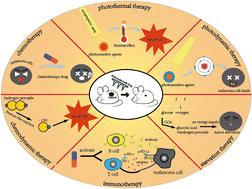
Melanoma is one of the most significant and dangerous superficial skin tumors with a high fatality rate, thanks to its high invasion rate, drug resistance and frequent metastasis properties. Unfortunately, researchers for decades have demonstrated that the outcome of using conventional therapies like chemotherapy and immunotherapy with normal drug delivery routes, such as an oral route to treat melanoma was not satisfactory. The severe adverse effects, slow drug delivery efficiency and low drug accumulation at targeted malignancy sites all lead to poor anti-cancer efficacy and terrible treatment experience. As a novel transdermal drug delivery system, microneedles (MNs) have emerged as an effective solution to help improve the low cure rate of melanoma. The excellent characteristics of MNs make it easy to penetrate the stratum corneum (SC) and then locally deliver the drug towards the lesion without drug leakage to mitigate the occurrence of side effects and increase the drug accumulation. Therefore, loading chemotherapeutic drugs or immunotherapy drugs in MNs can address the problems mentioned above, and MNs play a crucial role in improving the curative effect of conventional treatment methods. Notably, novel tumor therapies like photothermal therapy (PTT), photodynamic therapy (PDT) and chemodynamic therapy (CDT) have shown good application prospects in the treatment of melanoma, and MNs provide a valid platform for the combination of conventional therapies and novel therapies by encompassing different therapeutic materials in the matrix of MNs. The synergistic effect of multiple therapies can enhance the therapeutic efficacy compared to single therapies, showing great potential in melanoma treatment. Dissolving MNs have been the most commonly used microneedles in the treatment of melanoma in recent years, mainly because of their simple fabrication procedure and enough drug loading. So, considering the increasing use of dissolving MNs, this review collects research studies published in the last four years (2020–2024) that have rarely been included in other reviews to update the progress of applications of dissolving MNs in anti-melanoma treatment, especially in synergistic therapies. This review also presents current design and fabrication methods of dissolving MNs; the limitations of microneedle technology in the treatment of melanoma are comprehensively discussed. This review can provide valuable guidance for their future development.
期刊介绍:
Journal of Materials Chemistry A, B & C cover high quality studies across all fields of materials chemistry. The journals focus on those theoretical or experimental studies that report new understanding, applications, properties and synthesis of materials. Journal of Materials Chemistry A, B & C are separated by the intended application of the material studied. Broadly, applications in energy and sustainability are of interest to Journal of Materials Chemistry A, applications in biology and medicine are of interest to Journal of Materials Chemistry B, and applications in optical, magnetic and electronic devices are of interest to Journal of Materials Chemistry C.Journal of Materials Chemistry B is a Transformative Journal and Plan S compliant. Example topic areas within the scope of Journal of Materials Chemistry B are listed below. This list is neither exhaustive nor exclusive:
Antifouling coatings
Biocompatible materials
Bioelectronics
Bioimaging
Biomimetics
Biomineralisation
Bionics
Biosensors
Diagnostics
Drug delivery
Gene delivery
Immunobiology
Nanomedicine
Regenerative medicine & Tissue engineering
Scaffolds
Soft robotics
Stem cells
Therapeutic devices




 京公网安备 11010802042870号
京ICP备2023020795号-1
京公网安备 11010802042870号
京ICP备2023020795号-1

 分享
分享
 求助内容:
求助内容: 应助结果提醒方式:
 扫码关注我们
