Armaan K Malhotra, Avery B Nathens, Husain Shakil, Adom Bondzi-Simpson, Tiago Ribeiro, Ahmad Essa, Yingshi He, Christopher D Witiw, Kevin E Thorpe, Abhaya V Kulkarni, Jefferson R Wilson
{"title":"种族边缘化与中重度创伤性脑损伤后的直接医疗支出、居家时间和康复机会之间的关系。","authors":"Armaan K Malhotra, Avery B Nathens, Husain Shakil, Adom Bondzi-Simpson, Tiago Ribeiro, Ahmad Essa, Yingshi He, Christopher D Witiw, Kevin E Thorpe, Abhaya V Kulkarni, Jefferson R Wilson","doi":"10.1097/SLA.0000000000006584","DOIUrl":null,"url":null,"abstract":"<p><strong>Objective: </strong>To determine the association between residence in racialized neighborhoods with direct health care expenditure and days at home (DAH) after moderate to severe traumatic brain injury (TBI).</p><p><strong>Background: </strong>Differences in ethno-racial background have been associated with health outcome disparities. Much of this prior research was conducted in settings without universal health care coverage. The influence of ethno-racial background on health outcomes after TBI in universal health care settings remains unclear.</p><p><strong>Methods: </strong>This retrospective multicenter cohort study utilized linked administrative health data to identify adults sustaining moderate to severe TBI between 2009 and 2021. The primary exposure was an area-level index corresponding to the degree of racialized and immigrant populations within neighborhoods of residence (quintile 1-least racialized; quintile 5-most racialized). Coprimary outcomes were direct health care expenditure and DAH 365 days after injury. Secondary outcomes included discharge to rehabilitation and functional independence measure (FIM) scores at rehabilitation discharge.</p><p><strong>Results: </strong>A total of 6188 patients met the inclusion criteria. Patients in the most racialized neighborhoods incurred higher crude and adjusted direct health care costs compared with those in the least racialized neighborhoods. This effect was driven predominantly by physician claims and acute care costs. There were no significant differences in crude or adjusted DAH across quintiles. Access to rehabilitation and discharge FIM scores were comparable for patients residing in different racialized neighborhood quintiles.</p><p><strong>Conclusions: </strong>Despite differences in health care expenditure, this study found similar home time, access to rehab, and discharge FIM scores for patients with TBI according to racialized neighborhood residence. Recognizing the limitations of area-level indices, our findings suggest equitable care delivery in a publicly funded universal health care environment.</p>","PeriodicalId":8017,"journal":{"name":"Annals of surgery","volume":" ","pages":"902-910"},"PeriodicalIF":6.4000,"publicationDate":"2026-05-01","publicationTypes":"Journal Article","fieldsOfStudy":null,"isOpenAccess":false,"openAccessPdf":"","citationCount":"0","resultStr":"{\"title\":\"Association Between Racial Marginalization With Direct Health Care Expenditure, Time at Home, and Rehabilitation Access Following Moderate to Severe Traumatic Brain Injury.\",\"authors\":\"Armaan K Malhotra, Avery B Nathens, Husain Shakil, Adom Bondzi-Simpson, Tiago Ribeiro, Ahmad Essa, Yingshi He, Christopher D Witiw, Kevin E Thorpe, Abhaya V Kulkarni, Jefferson R Wilson\",\"doi\":\"10.1097/SLA.0000000000006584\",\"DOIUrl\":null,\"url\":null,\"abstract\":\"<p><strong>Objective: </strong>To determine the association between residence in racialized neighborhoods with direct health care expenditure and days at home (DAH) after moderate to severe traumatic brain injury (TBI).</p><p><strong>Background: </strong>Differences in ethno-racial background have been associated with health outcome disparities. Much of this prior research was conducted in settings without universal health care coverage. The influence of ethno-racial background on health outcomes after TBI in universal health care settings remains unclear.</p><p><strong>Methods: </strong>This retrospective multicenter cohort study utilized linked administrative health data to identify adults sustaining moderate to severe TBI between 2009 and 2021. The primary exposure was an area-level index corresponding to the degree of racialized and immigrant populations within neighborhoods of residence (quintile 1-least racialized; quintile 5-most racialized). Coprimary outcomes were direct health care expenditure and DAH 365 days after injury. Secondary outcomes included discharge to rehabilitation and functional independence measure (FIM) scores at rehabilitation discharge.</p><p><strong>Results: </strong>A total of 6188 patients met the inclusion criteria. Patients in the most racialized neighborhoods incurred higher crude and adjusted direct health care costs compared with those in the least racialized neighborhoods. This effect was driven predominantly by physician claims and acute care costs. There were no significant differences in crude or adjusted DAH across quintiles. Access to rehabilitation and discharge FIM scores were comparable for patients residing in different racialized neighborhood quintiles.</p><p><strong>Conclusions: </strong>Despite differences in health care expenditure, this study found similar home time, access to rehab, and discharge FIM scores for patients with TBI according to racialized neighborhood residence. Recognizing the limitations of area-level indices, our findings suggest equitable care delivery in a publicly funded universal health care environment.</p>\",\"PeriodicalId\":8017,\"journal\":{\"name\":\"Annals of surgery\",\"volume\":\" \",\"pages\":\"902-910\"},\"PeriodicalIF\":6.4000,\"publicationDate\":\"2026-05-01\",\"publicationTypes\":\"Journal Article\",\"fieldsOfStudy\":null,\"isOpenAccess\":false,\"openAccessPdf\":\"\",\"citationCount\":\"0\",\"resultStr\":null,\"platform\":\"Semanticscholar\",\"paperid\":null,\"PeriodicalName\":\"Annals of surgery\",\"FirstCategoryId\":\"3\",\"ListUrlMain\":\"https://doi.org/10.1097/SLA.0000000000006584\",\"RegionNum\":1,\"RegionCategory\":\"医学\",\"ArticlePicture\":[],\"TitleCN\":null,\"AbstractTextCN\":null,\"PMCID\":null,\"EPubDate\":\"2024/11/8 0:00:00\",\"PubModel\":\"Epub\",\"JCR\":\"Q1\",\"JCRName\":\"SURGERY\",\"Score\":null,\"Total\":0}","platform":"Semanticscholar","paperid":null,"PeriodicalName":"Annals of surgery","FirstCategoryId":"3","ListUrlMain":"https://doi.org/10.1097/SLA.0000000000006584","RegionNum":1,"RegionCategory":"医学","ArticlePicture":[],"TitleCN":null,"AbstractTextCN":null,"PMCID":null,"EPubDate":"2024/11/8 0:00:00","PubModel":"Epub","JCR":"Q1","JCRName":"SURGERY","Score":null,"Total":0}
Association Between Racial Marginalization With Direct Health Care Expenditure, Time at Home, and Rehabilitation Access Following Moderate to Severe Traumatic Brain Injury.
Objective: To determine the association between residence in racialized neighborhoods with direct health care expenditure and days at home (DAH) after moderate to severe traumatic brain injury (TBI).
Background: Differences in ethno-racial background have been associated with health outcome disparities. Much of this prior research was conducted in settings without universal health care coverage. The influence of ethno-racial background on health outcomes after TBI in universal health care settings remains unclear.
Methods: This retrospective multicenter cohort study utilized linked administrative health data to identify adults sustaining moderate to severe TBI between 2009 and 2021. The primary exposure was an area-level index corresponding to the degree of racialized and immigrant populations within neighborhoods of residence (quintile 1-least racialized; quintile 5-most racialized). Coprimary outcomes were direct health care expenditure and DAH 365 days after injury. Secondary outcomes included discharge to rehabilitation and functional independence measure (FIM) scores at rehabilitation discharge.
Results: A total of 6188 patients met the inclusion criteria. Patients in the most racialized neighborhoods incurred higher crude and adjusted direct health care costs compared with those in the least racialized neighborhoods. This effect was driven predominantly by physician claims and acute care costs. There were no significant differences in crude or adjusted DAH across quintiles. Access to rehabilitation and discharge FIM scores were comparable for patients residing in different racialized neighborhood quintiles.
Conclusions: Despite differences in health care expenditure, this study found similar home time, access to rehab, and discharge FIM scores for patients with TBI according to racialized neighborhood residence. Recognizing the limitations of area-level indices, our findings suggest equitable care delivery in a publicly funded universal health care environment.
期刊介绍:
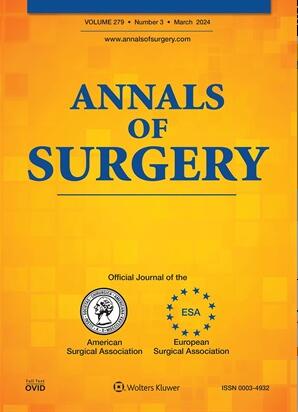
The Annals of Surgery is a renowned surgery journal, recognized globally for its extensive scholarly references. It serves as a valuable resource for the international medical community by disseminating knowledge regarding important developments in surgical science and practice. Surgeons regularly turn to the Annals of Surgery to stay updated on innovative practices and techniques. The journal also offers special editorial features such as "Advances in Surgical Technique," offering timely coverage of ongoing clinical issues. Additionally, the journal publishes monthly review articles that address the latest concerns in surgical practice.




 京公网安备 11010802042870号
京ICP备2023020795号-1
京公网安备 11010802042870号
京ICP备2023020795号-1

 分享
分享
 求助内容:
求助内容: 应助结果提醒方式:
 扫码关注我们
