{"title":"贝叶斯地理加性模型分析埃塞俄比亚孕产妇死亡率的空间格局和决定因素。","authors":"Yitagesu Eshetu, Tigist Getachew","doi":"10.1186/s12889-024-20812-2","DOIUrl":null,"url":null,"abstract":"<p><strong>Background and aims: </strong>Maternal mortality is defined as the death of a woman from any cause associated to or made worse by her pregnancy, either during her pregnancy or within 42 days of the pregnancy's termination, regardless of the length of the pregnancy or its location. The objective of this study is to determine the factors influencing maternal mortality as well as to examine the regional distribution of maternal deaths in Ethiopia.</p><p><strong>Method: </strong>This study was conducted in Ethiopia and the data was basically secondary which is obtained from 2016 Ethiopian Demographic and Health survey (EDHS). The Bayesian Geo-additive regression model is used to identify the major risk factors and spatial effects (spatial pattern) on maternal death in Ethiopia.</p><p><strong>Result: </strong>Pregnancy-related problems or childbirth were the cause of death for 1.43% of the 10,009 women in the research, whose ages ranged from 15 to 49. In contrast to the semi-parametric and generalized linear models, the Bayesian Geo-additive regression model is based on the DIC and better fits the data. According to the Bayesian Geo-additive regression model's results, maternal death is significantly affected by the place of delivery, the number of prenatal care visits, marital status, wealth index, mother's age and the number of birth orders. The Afar, Somali, Benishangul Gumuz, and Gambela regions have higher rates of maternal death, according to evidence of geographic variation in a model.</p><p><strong>Conclusion: </strong>The findings of the study revealed that maternal mortality is influenced by numerous social, demographic, and geographic variables. Geographic variations exist in the patterns of maternal mortality.</p>","PeriodicalId":9039,"journal":{"name":"BMC Public Health","volume":"24 1","pages":"3334"},"PeriodicalIF":4.4000,"publicationDate":"2024-11-29","publicationTypes":"Journal Article","fieldsOfStudy":null,"isOpenAccess":false,"openAccessPdf":"https://www.ncbi.nlm.nih.gov/pmc/articles/PMC11606106/pdf/","citationCount":"0","resultStr":"{\"title\":\"Bayesian geo-additive model to analyze spatial pattern and determinants of maternal mortality in Ethiopia.\",\"authors\":\"Yitagesu Eshetu, Tigist Getachew\",\"doi\":\"10.1186/s12889-024-20812-2\",\"DOIUrl\":null,\"url\":null,\"abstract\":\"<p><strong>Background and aims: </strong>Maternal mortality is defined as the death of a woman from any cause associated to or made worse by her pregnancy, either during her pregnancy or within 42 days of the pregnancy's termination, regardless of the length of the pregnancy or its location. The objective of this study is to determine the factors influencing maternal mortality as well as to examine the regional distribution of maternal deaths in Ethiopia.</p><p><strong>Method: </strong>This study was conducted in Ethiopia and the data was basically secondary which is obtained from 2016 Ethiopian Demographic and Health survey (EDHS). The Bayesian Geo-additive regression model is used to identify the major risk factors and spatial effects (spatial pattern) on maternal death in Ethiopia.</p><p><strong>Result: </strong>Pregnancy-related problems or childbirth were the cause of death for 1.43% of the 10,009 women in the research, whose ages ranged from 15 to 49. In contrast to the semi-parametric and generalized linear models, the Bayesian Geo-additive regression model is based on the DIC and better fits the data. According to the Bayesian Geo-additive regression model's results, maternal death is significantly affected by the place of delivery, the number of prenatal care visits, marital status, wealth index, mother's age and the number of birth orders. The Afar, Somali, Benishangul Gumuz, and Gambela regions have higher rates of maternal death, according to evidence of geographic variation in a model.</p><p><strong>Conclusion: </strong>The findings of the study revealed that maternal mortality is influenced by numerous social, demographic, and geographic variables. Geographic variations exist in the patterns of maternal mortality.</p>\",\"PeriodicalId\":9039,\"journal\":{\"name\":\"BMC Public Health\",\"volume\":\"24 1\",\"pages\":\"3334\"},\"PeriodicalIF\":4.4000,\"publicationDate\":\"2024-11-29\",\"publicationTypes\":\"Journal Article\",\"fieldsOfStudy\":null,\"isOpenAccess\":false,\"openAccessPdf\":\"https://www.ncbi.nlm.nih.gov/pmc/articles/PMC11606106/pdf/\",\"citationCount\":\"0\",\"resultStr\":null,\"platform\":\"Semanticscholar\",\"paperid\":null,\"PeriodicalName\":\"BMC Public Health\",\"FirstCategoryId\":\"3\",\"ListUrlMain\":\"https://doi.org/10.1186/s12889-024-20812-2\",\"RegionNum\":2,\"RegionCategory\":\"医学\",\"ArticlePicture\":[],\"TitleCN\":null,\"AbstractTextCN\":null,\"PMCID\":null,\"EPubDate\":\"\",\"PubModel\":\"\",\"JCR\":\"Q1\",\"JCRName\":\"PUBLIC, ENVIRONMENTAL & OCCUPATIONAL HEALTH\",\"Score\":null,\"Total\":0}","platform":"Semanticscholar","paperid":null,"PeriodicalName":"BMC Public Health","FirstCategoryId":"3","ListUrlMain":"https://doi.org/10.1186/s12889-024-20812-2","RegionNum":2,"RegionCategory":"医学","ArticlePicture":[],"TitleCN":null,"AbstractTextCN":null,"PMCID":null,"EPubDate":"","PubModel":"","JCR":"Q1","JCRName":"PUBLIC, ENVIRONMENTAL & OCCUPATIONAL HEALTH","Score":null,"Total":0}
Bayesian geo-additive model to analyze spatial pattern and determinants of maternal mortality in Ethiopia.
Background and aims: Maternal mortality is defined as the death of a woman from any cause associated to or made worse by her pregnancy, either during her pregnancy or within 42 days of the pregnancy's termination, regardless of the length of the pregnancy or its location. The objective of this study is to determine the factors influencing maternal mortality as well as to examine the regional distribution of maternal deaths in Ethiopia.
Method: This study was conducted in Ethiopia and the data was basically secondary which is obtained from 2016 Ethiopian Demographic and Health survey (EDHS). The Bayesian Geo-additive regression model is used to identify the major risk factors and spatial effects (spatial pattern) on maternal death in Ethiopia.
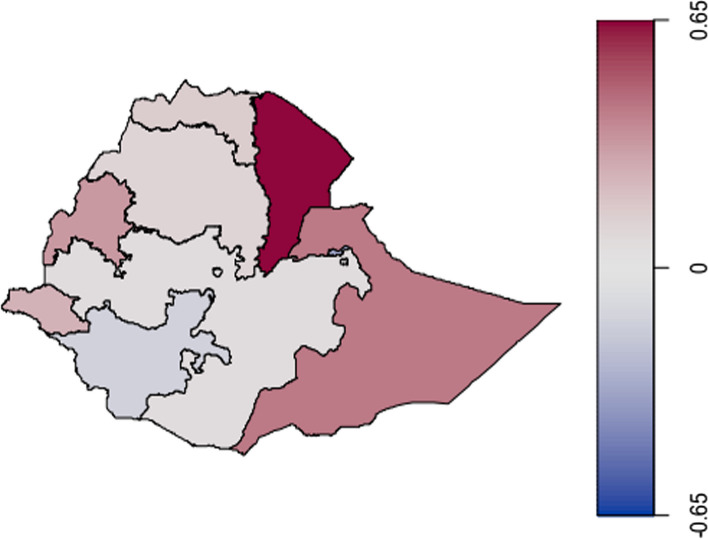
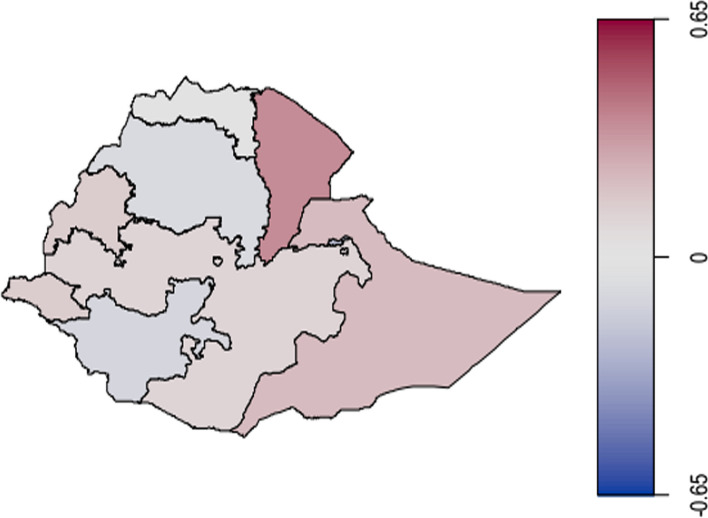
Result: Pregnancy-related problems or childbirth were the cause of death for 1.43% of the 10,009 women in the research, whose ages ranged from 15 to 49. In contrast to the semi-parametric and generalized linear models, the Bayesian Geo-additive regression model is based on the DIC and better fits the data. According to the Bayesian Geo-additive regression model's results, maternal death is significantly affected by the place of delivery, the number of prenatal care visits, marital status, wealth index, mother's age and the number of birth orders. The Afar, Somali, Benishangul Gumuz, and Gambela regions have higher rates of maternal death, according to evidence of geographic variation in a model.
Conclusion: The findings of the study revealed that maternal mortality is influenced by numerous social, demographic, and geographic variables. Geographic variations exist in the patterns of maternal mortality.
期刊介绍:
BMC Public Health is an open access, peer-reviewed journal that considers articles on the epidemiology of disease and the understanding of all aspects of public health. The journal has a special focus on the social determinants of health, the environmental, behavioral, and occupational correlates of health and disease, and the impact of health policies, practices and interventions on the community.





 京公网安备 11010802042870号
京ICP备2023020795号-1
京公网安备 11010802042870号
京ICP备2023020795号-1

 分享
分享
 求助内容:
求助内容: 应助结果提醒方式:
 扫码关注我们
