{"title":"迷走神经刺激在中风中的叙事回顾。","authors":"Yanhong Hu, Ruiqi Xiong, Suyue Pan, Kaibin Huang","doi":"10.1177/11795735241303069","DOIUrl":null,"url":null,"abstract":"<p><p>Stroke is a significant health concern impacting society and the health care system. Reperfusion therapy for acute ischemic stroke and standard rehabilitative therapies may not always be effective at improving post-stroke neurological function, and developing alternative strategies is particularly important. Vagus nerve stimulation (VNS) is a treatment option currently approved by the Food and Drug Administration (FDA) for intractable epilepsy, refractory depression, primary headache disorders, obesity, and moderate to severe upper-limb motor dysfunction in chronic ischemic stroke patients. Moreover, VNS has demonstrated potential efficacy in various conditions, including autoimmune diseases, disorders of consciousness, Alzheimer's disease, Parkinson's disease, traumatic brain injury, stroke, and other diseases. Although the popularity and application of VNS continue to increase rapidly, the field generally lacks a consensus on the optimal stimulation parameters. The stimulation parameters for VNS are directly related to the clinical outcome, and determining the optimal stimulation conditions for VNS has become an essential concern in its clinical application. This review summarizes the current evidence on VNS for stroke in preclinical models and clinical trials in humans, paying attention to the current types and stimulation parameters of VNS, highlighting the mechanistic pathways involved in the beneficial effects of VNS, critically evaluating clinical implementation challenges and proposing some suggestions for its future research directions. Achieving safe and effective clinical transformation of VNS requires further animal and clinical studies to determine the optimal stimulation parameters and therapeutic mechanisms.</p>","PeriodicalId":15218,"journal":{"name":"Journal of Central Nervous System Disease","volume":"16 ","pages":"11795735241303069"},"PeriodicalIF":2.8000,"publicationDate":"2024-12-13","publicationTypes":"Journal Article","fieldsOfStudy":null,"isOpenAccess":false,"openAccessPdf":"https://www.ncbi.nlm.nih.gov/pmc/articles/PMC11645777/pdf/","citationCount":"0","resultStr":"{\"title\":\"A narrative review of vagus nerve stimulation in stroke.\",\"authors\":\"Yanhong Hu, Ruiqi Xiong, Suyue Pan, Kaibin Huang\",\"doi\":\"10.1177/11795735241303069\",\"DOIUrl\":null,\"url\":null,\"abstract\":\"<p><p>Stroke is a significant health concern impacting society and the health care system. Reperfusion therapy for acute ischemic stroke and standard rehabilitative therapies may not always be effective at improving post-stroke neurological function, and developing alternative strategies is particularly important. Vagus nerve stimulation (VNS) is a treatment option currently approved by the Food and Drug Administration (FDA) for intractable epilepsy, refractory depression, primary headache disorders, obesity, and moderate to severe upper-limb motor dysfunction in chronic ischemic stroke patients. Moreover, VNS has demonstrated potential efficacy in various conditions, including autoimmune diseases, disorders of consciousness, Alzheimer's disease, Parkinson's disease, traumatic brain injury, stroke, and other diseases. Although the popularity and application of VNS continue to increase rapidly, the field generally lacks a consensus on the optimal stimulation parameters. The stimulation parameters for VNS are directly related to the clinical outcome, and determining the optimal stimulation conditions for VNS has become an essential concern in its clinical application. This review summarizes the current evidence on VNS for stroke in preclinical models and clinical trials in humans, paying attention to the current types and stimulation parameters of VNS, highlighting the mechanistic pathways involved in the beneficial effects of VNS, critically evaluating clinical implementation challenges and proposing some suggestions for its future research directions. Achieving safe and effective clinical transformation of VNS requires further animal and clinical studies to determine the optimal stimulation parameters and therapeutic mechanisms.</p>\",\"PeriodicalId\":15218,\"journal\":{\"name\":\"Journal of Central Nervous System Disease\",\"volume\":\"16 \",\"pages\":\"11795735241303069\"},\"PeriodicalIF\":2.8000,\"publicationDate\":\"2024-12-13\",\"publicationTypes\":\"Journal Article\",\"fieldsOfStudy\":null,\"isOpenAccess\":false,\"openAccessPdf\":\"https://www.ncbi.nlm.nih.gov/pmc/articles/PMC11645777/pdf/\",\"citationCount\":\"0\",\"resultStr\":null,\"platform\":\"Semanticscholar\",\"paperid\":null,\"PeriodicalName\":\"Journal of Central Nervous System Disease\",\"FirstCategoryId\":\"1085\",\"ListUrlMain\":\"https://doi.org/10.1177/11795735241303069\",\"RegionNum\":0,\"RegionCategory\":null,\"ArticlePicture\":[],\"TitleCN\":null,\"AbstractTextCN\":null,\"PMCID\":null,\"EPubDate\":\"2024/1/1 0:00:00\",\"PubModel\":\"eCollection\",\"JCR\":\"Q2\",\"JCRName\":\"CLINICAL NEUROLOGY\",\"Score\":null,\"Total\":0}","platform":"Semanticscholar","paperid":null,"PeriodicalName":"Journal of Central Nervous System Disease","FirstCategoryId":"1085","ListUrlMain":"https://doi.org/10.1177/11795735241303069","RegionNum":0,"RegionCategory":null,"ArticlePicture":[],"TitleCN":null,"AbstractTextCN":null,"PMCID":null,"EPubDate":"2024/1/1 0:00:00","PubModel":"eCollection","JCR":"Q2","JCRName":"CLINICAL NEUROLOGY","Score":null,"Total":0}
A narrative review of vagus nerve stimulation in stroke.
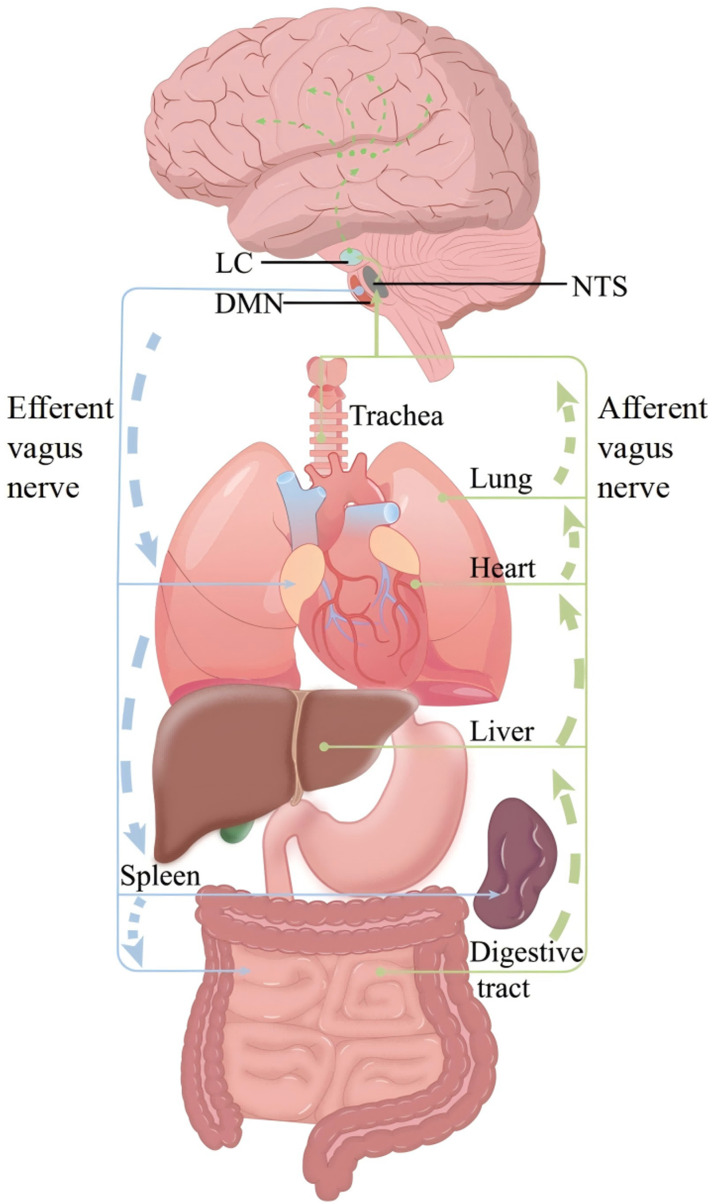
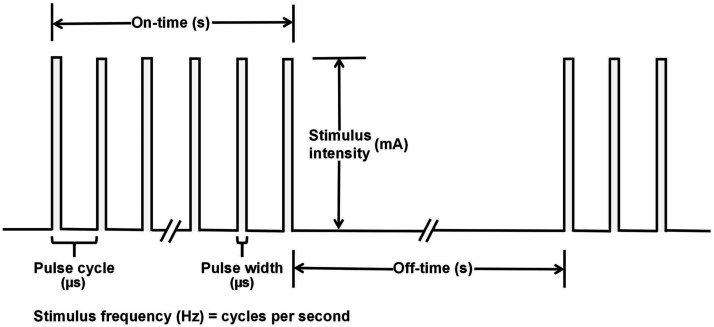
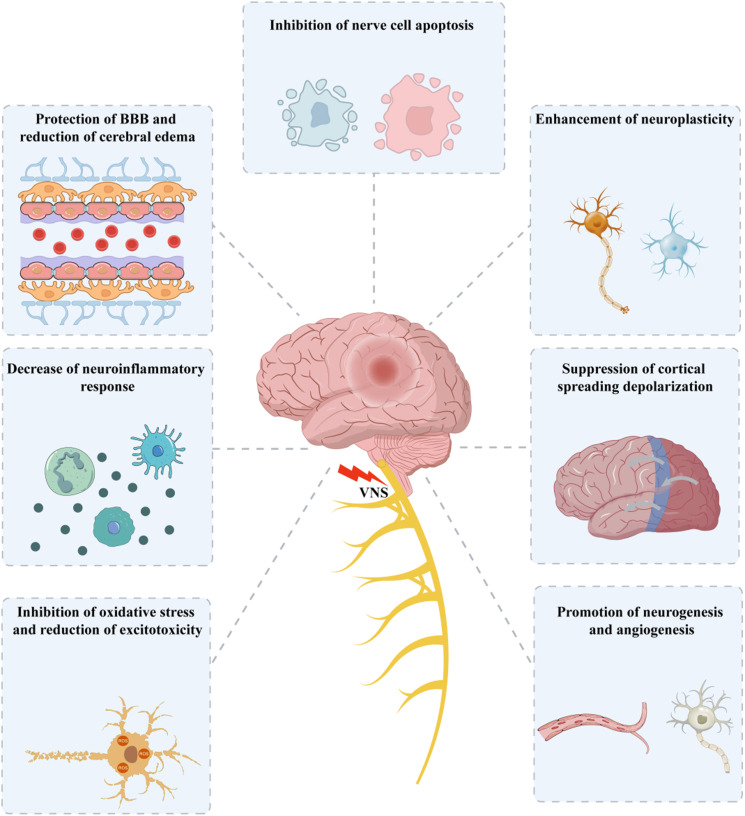
Stroke is a significant health concern impacting society and the health care system. Reperfusion therapy for acute ischemic stroke and standard rehabilitative therapies may not always be effective at improving post-stroke neurological function, and developing alternative strategies is particularly important. Vagus nerve stimulation (VNS) is a treatment option currently approved by the Food and Drug Administration (FDA) for intractable epilepsy, refractory depression, primary headache disorders, obesity, and moderate to severe upper-limb motor dysfunction in chronic ischemic stroke patients. Moreover, VNS has demonstrated potential efficacy in various conditions, including autoimmune diseases, disorders of consciousness, Alzheimer's disease, Parkinson's disease, traumatic brain injury, stroke, and other diseases. Although the popularity and application of VNS continue to increase rapidly, the field generally lacks a consensus on the optimal stimulation parameters. The stimulation parameters for VNS are directly related to the clinical outcome, and determining the optimal stimulation conditions for VNS has become an essential concern in its clinical application. This review summarizes the current evidence on VNS for stroke in preclinical models and clinical trials in humans, paying attention to the current types and stimulation parameters of VNS, highlighting the mechanistic pathways involved in the beneficial effects of VNS, critically evaluating clinical implementation challenges and proposing some suggestions for its future research directions. Achieving safe and effective clinical transformation of VNS requires further animal and clinical studies to determine the optimal stimulation parameters and therapeutic mechanisms.




 京公网安备 11010802042870号
京ICP备2023020795号-1
京公网安备 11010802042870号
京ICP备2023020795号-1

 分享
分享
 求助内容:
求助内容: 应助结果提醒方式:
 扫码关注我们
