Tingwei Chen , Chenke Zhao , Tao Lai , Junpeng Zhao
{"title":"不同引发剂在γ-丁内酯中阳离子开环聚合2-恶唑啉","authors":"Tingwei Chen , Chenke Zhao , Tao Lai , Junpeng Zhao","doi":"10.1039/d4py01422g","DOIUrl":null,"url":null,"abstract":"<div><div>Solvent is often indispensable for polymerization reactions, especially to circumvent the negative effects of high viscosity. Cationic ring-opening polymerization (CROP) of 2-oxazolines has been studied for decades due to the bio-related characteristics and applications of the products. The commonly used solvent, acetonitrile (AN), raises sustainability concerns due to its volatility and toxicity. We report here that bio-sourced, high-boiling-point, high-polarity, and nontoxic (γ-alkyl) γ-butyrolactones are valid green solvents for the CROP of 2-ethyl-2-oxazoline. Polymerization efficiency and control are found to be the same as those in AN. The livingness of CROP is confirmed by block copolymerization with 2-phenyl-2-oxazoline. A series of organo-initiators, including phosphorus-based acids and carboxylic acids, are employed to gain insights into the structure–activity relationship. In particular, it is the first time to disclose the initiating activity of 2,6-dihydroxybenzoic acid. This work provides a solution for enhancing the environmental friendliness of synthesis of biomimetic poly(2-oxazoline).</div></div>","PeriodicalId":100,"journal":{"name":"Polymer Chemistry","volume":"16 7","pages":"Pages 903-912"},"PeriodicalIF":3.9000,"publicationDate":"2024-12-24","publicationTypes":"Journal Article","fieldsOfStudy":null,"isOpenAccess":false,"openAccessPdf":"","citationCount":"0","resultStr":"{\"title\":\"Cationic ring-opening polymerization of 2-oxazolines in γ-butyrolactones using various initiators†\",\"authors\":\"Tingwei Chen , Chenke Zhao , Tao Lai , Junpeng Zhao\",\"doi\":\"10.1039/d4py01422g\",\"DOIUrl\":null,\"url\":null,\"abstract\":\"<div><div>Solvent is often indispensable for polymerization reactions, especially to circumvent the negative effects of high viscosity. Cationic ring-opening polymerization (CROP) of 2-oxazolines has been studied for decades due to the bio-related characteristics and applications of the products. The commonly used solvent, acetonitrile (AN), raises sustainability concerns due to its volatility and toxicity. We report here that bio-sourced, high-boiling-point, high-polarity, and nontoxic (γ-alkyl) γ-butyrolactones are valid green solvents for the CROP of 2-ethyl-2-oxazoline. Polymerization efficiency and control are found to be the same as those in AN. The livingness of CROP is confirmed by block copolymerization with 2-phenyl-2-oxazoline. A series of organo-initiators, including phosphorus-based acids and carboxylic acids, are employed to gain insights into the structure–activity relationship. In particular, it is the first time to disclose the initiating activity of 2,6-dihydroxybenzoic acid. This work provides a solution for enhancing the environmental friendliness of synthesis of biomimetic poly(2-oxazoline).</div></div>\",\"PeriodicalId\":100,\"journal\":{\"name\":\"Polymer Chemistry\",\"volume\":\"16 7\",\"pages\":\"Pages 903-912\"},\"PeriodicalIF\":3.9000,\"publicationDate\":\"2024-12-24\",\"publicationTypes\":\"Journal Article\",\"fieldsOfStudy\":null,\"isOpenAccess\":false,\"openAccessPdf\":\"\",\"citationCount\":\"0\",\"resultStr\":null,\"platform\":\"Semanticscholar\",\"paperid\":null,\"PeriodicalName\":\"Polymer Chemistry\",\"FirstCategoryId\":\"92\",\"ListUrlMain\":\"https://www.sciencedirect.com/org/science/article/pii/S1759995425000130\",\"RegionNum\":2,\"RegionCategory\":\"化学\",\"ArticlePicture\":[],\"TitleCN\":null,\"AbstractTextCN\":null,\"PMCID\":null,\"EPubDate\":\"2025/1/8 0:00:00\",\"PubModel\":\"Epub\",\"JCR\":\"Q2\",\"JCRName\":\"POLYMER SCIENCE\",\"Score\":null,\"Total\":0}","platform":"Semanticscholar","paperid":null,"PeriodicalName":"Polymer Chemistry","FirstCategoryId":"92","ListUrlMain":"https://www.sciencedirect.com/org/science/article/pii/S1759995425000130","RegionNum":2,"RegionCategory":"化学","ArticlePicture":[],"TitleCN":null,"AbstractTextCN":null,"PMCID":null,"EPubDate":"2025/1/8 0:00:00","PubModel":"Epub","JCR":"Q2","JCRName":"POLYMER SCIENCE","Score":null,"Total":0}
Cationic ring-opening polymerization of 2-oxazolines in γ-butyrolactones using various initiators†
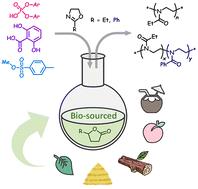
Solvent is often indispensable for polymerization reactions, especially to circumvent the negative effects of high viscosity. Cationic ring-opening polymerization (CROP) of 2-oxazolines has been studied for decades due to the bio-related characteristics and applications of the products. The commonly used solvent, acetonitrile (AN), raises sustainability concerns due to its volatility and toxicity. We report here that bio-sourced, high-boiling-point, high-polarity, and nontoxic (γ-alkyl) γ-butyrolactones are valid green solvents for the CROP of 2-ethyl-2-oxazoline. Polymerization efficiency and control are found to be the same as those in AN. The livingness of CROP is confirmed by block copolymerization with 2-phenyl-2-oxazoline. A series of organo-initiators, including phosphorus-based acids and carboxylic acids, are employed to gain insights into the structure–activity relationship. In particular, it is the first time to disclose the initiating activity of 2,6-dihydroxybenzoic acid. This work provides a solution for enhancing the environmental friendliness of synthesis of biomimetic poly(2-oxazoline).
期刊介绍:
Polymer Chemistry welcomes submissions in all areas of polymer science that have a strong focus on macromolecular chemistry. Manuscripts may cover a broad range of fields, yet no direct application focus is required.




 京公网安备 11010802042870号
京ICP备2023020795号-1
京公网安备 11010802042870号
京ICP备2023020795号-1

 分享
分享
 求助内容:
求助内容: 应助结果提醒方式:
 扫码关注我们
