Hailemichael Desalegn, Xianchen Yang, Yi-Syuan Yen, Nega Berhe, Brooke Kenney, Geoffrey H Siwo, Weijing Tang, Ji Zhu, Akbar K Waljee, Asgeir Johannessen
{"title":"预测非洲慢性乙型肝炎疾病进展的机器学习方法。","authors":"Hailemichael Desalegn, Xianchen Yang, Yi-Syuan Yen, Nega Berhe, Brooke Kenney, Geoffrey H Siwo, Weijing Tang, Ji Zhu, Akbar K Waljee, Asgeir Johannessen","doi":"10.1097/HC9.0000000000000584","DOIUrl":null,"url":null,"abstract":"<p><strong>Background: </strong>Little is known about the determinants of disease progression among African patients with chronic HBV infection.</p><p><strong>Methods: </strong>We used machine-learning models with longitudinal data to establish predictive algorithms in a well-characterized cohort of Ethiopian HBV-infected patients without baseline liver fibrosis. Disease progression was defined as an increase in liver stiffness to >7.9 kPa or initiation of treatment based on meeting the eligibility criteria.</p><p><strong>Results: </strong>Twenty-four of 551 patients (4.4%) experienced disease progression after a median follow-up time of 69 months. A random forest model based on a combination of available laboratory tests (standard hematology and biochemistry) demonstrated the best predictive properties with the AUROC ranging from 0.82 to 0.88.</p><p><strong>Conclusion: </strong>We conclude that combined metrics based on simple and available laboratory tests had good predictive properties and should be explored further in larger HBV cohorts.</p>","PeriodicalId":12978,"journal":{"name":"Hepatology Communications","volume":"8 12","pages":""},"PeriodicalIF":6.0000,"publicationDate":"2024-11-15","publicationTypes":"Journal Article","fieldsOfStudy":null,"isOpenAccess":false,"openAccessPdf":"https://www.ncbi.nlm.nih.gov/pmc/articles/PMC11567701/pdf/","citationCount":"0","resultStr":"{\"title\":\"Machine-learning methodologies to predict disease progression in chronic hepatitis B in Africa.\",\"authors\":\"Hailemichael Desalegn, Xianchen Yang, Yi-Syuan Yen, Nega Berhe, Brooke Kenney, Geoffrey H Siwo, Weijing Tang, Ji Zhu, Akbar K Waljee, Asgeir Johannessen\",\"doi\":\"10.1097/HC9.0000000000000584\",\"DOIUrl\":null,\"url\":null,\"abstract\":\"<p><strong>Background: </strong>Little is known about the determinants of disease progression among African patients with chronic HBV infection.</p><p><strong>Methods: </strong>We used machine-learning models with longitudinal data to establish predictive algorithms in a well-characterized cohort of Ethiopian HBV-infected patients without baseline liver fibrosis. Disease progression was defined as an increase in liver stiffness to >7.9 kPa or initiation of treatment based on meeting the eligibility criteria.</p><p><strong>Results: </strong>Twenty-four of 551 patients (4.4%) experienced disease progression after a median follow-up time of 69 months. A random forest model based on a combination of available laboratory tests (standard hematology and biochemistry) demonstrated the best predictive properties with the AUROC ranging from 0.82 to 0.88.</p><p><strong>Conclusion: </strong>We conclude that combined metrics based on simple and available laboratory tests had good predictive properties and should be explored further in larger HBV cohorts.</p>\",\"PeriodicalId\":12978,\"journal\":{\"name\":\"Hepatology Communications\",\"volume\":\"8 12\",\"pages\":\"\"},\"PeriodicalIF\":6.0000,\"publicationDate\":\"2024-11-15\",\"publicationTypes\":\"Journal Article\",\"fieldsOfStudy\":null,\"isOpenAccess\":false,\"openAccessPdf\":\"https://www.ncbi.nlm.nih.gov/pmc/articles/PMC11567701/pdf/\",\"citationCount\":\"0\",\"resultStr\":null,\"platform\":\"Semanticscholar\",\"paperid\":null,\"PeriodicalName\":\"Hepatology Communications\",\"FirstCategoryId\":\"3\",\"ListUrlMain\":\"https://doi.org/10.1097/HC9.0000000000000584\",\"RegionNum\":2,\"RegionCategory\":\"医学\",\"ArticlePicture\":[],\"TitleCN\":null,\"AbstractTextCN\":null,\"PMCID\":null,\"EPubDate\":\"2024/12/1 0:00:00\",\"PubModel\":\"eCollection\",\"JCR\":\"Q1\",\"JCRName\":\"GASTROENTEROLOGY & HEPATOLOGY\",\"Score\":null,\"Total\":0}","platform":"Semanticscholar","paperid":null,"PeriodicalName":"Hepatology Communications","FirstCategoryId":"3","ListUrlMain":"https://doi.org/10.1097/HC9.0000000000000584","RegionNum":2,"RegionCategory":"医学","ArticlePicture":[],"TitleCN":null,"AbstractTextCN":null,"PMCID":null,"EPubDate":"2024/12/1 0:00:00","PubModel":"eCollection","JCR":"Q1","JCRName":"GASTROENTEROLOGY & HEPATOLOGY","Score":null,"Total":0}
Machine-learning methodologies to predict disease progression in chronic hepatitis B in Africa.
Background: Little is known about the determinants of disease progression among African patients with chronic HBV infection.
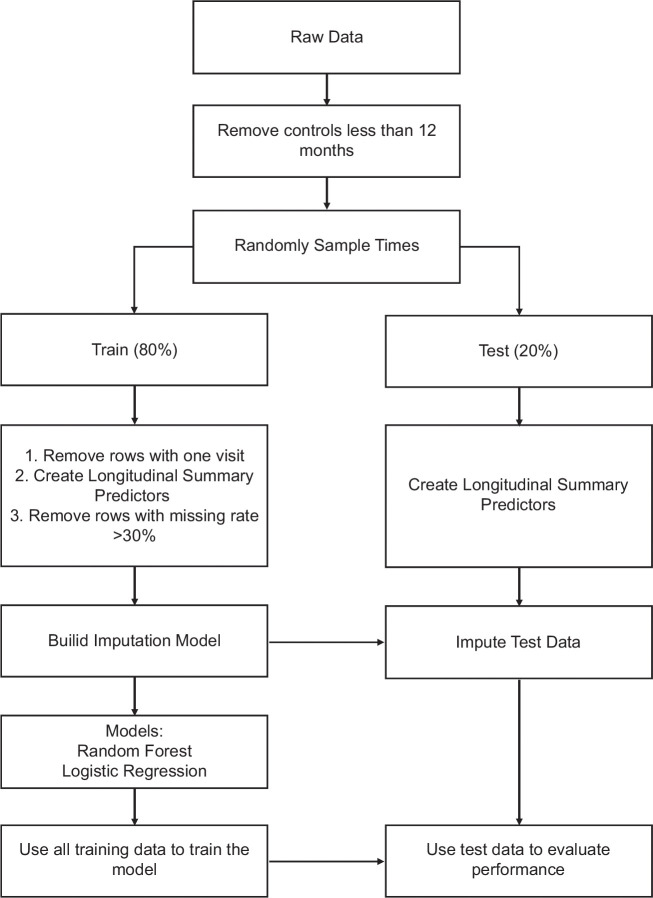
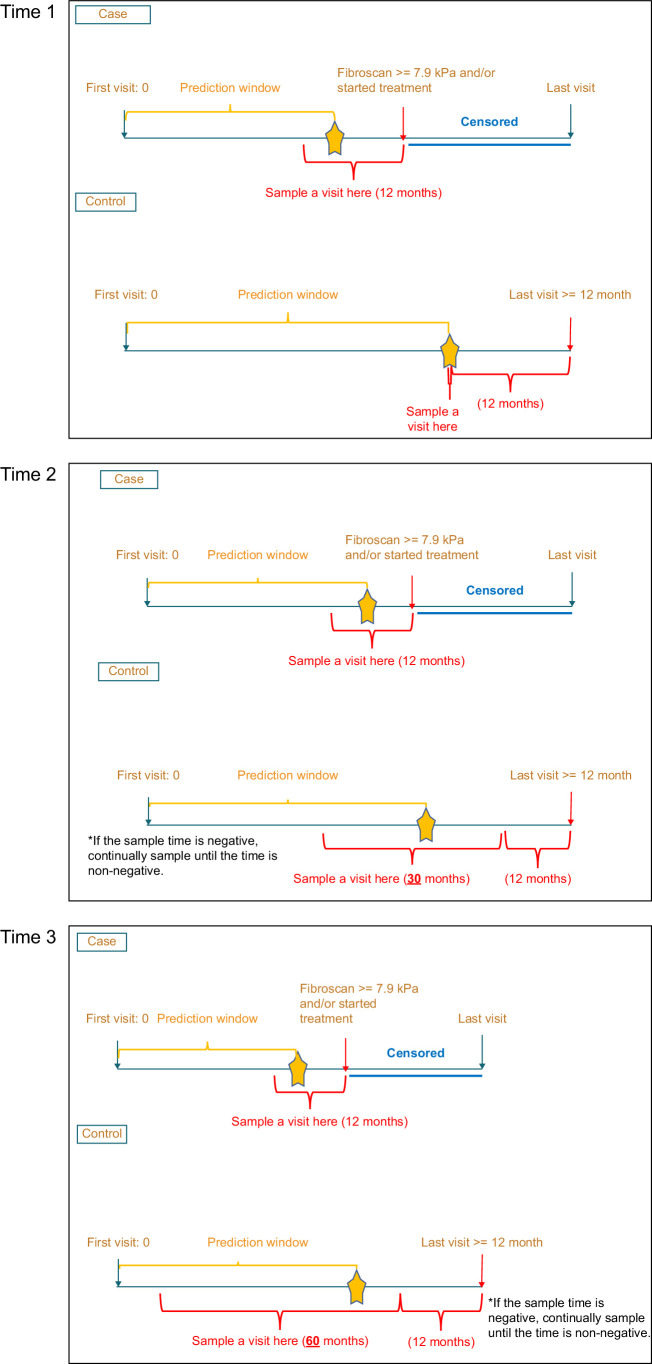
Methods: We used machine-learning models with longitudinal data to establish predictive algorithms in a well-characterized cohort of Ethiopian HBV-infected patients without baseline liver fibrosis. Disease progression was defined as an increase in liver stiffness to >7.9 kPa or initiation of treatment based on meeting the eligibility criteria.
Results: Twenty-four of 551 patients (4.4%) experienced disease progression after a median follow-up time of 69 months. A random forest model based on a combination of available laboratory tests (standard hematology and biochemistry) demonstrated the best predictive properties with the AUROC ranging from 0.82 to 0.88.
Conclusion: We conclude that combined metrics based on simple and available laboratory tests had good predictive properties and should be explored further in larger HBV cohorts.
期刊介绍:
Hepatology Communications is a peer-reviewed, online-only, open access journal for fast dissemination of high quality basic, translational, and clinical research in hepatology. Hepatology Communications maintains high standard and rigorous peer review. Because of its open access nature, authors retain the copyright to their works, all articles are immediately available and free to read and share, and it is fully compliant with funder and institutional mandates. The journal is committed to fast publication and author satisfaction.





 京公网安备 11010802042870号
京ICP备2023020795号-1
京公网安备 11010802042870号
京ICP备2023020795号-1

 分享
分享
 求助内容:
求助内容: 应助结果提醒方式:
 扫码关注我们
