{"title":"[脱落酸-食物链与人体健康]。","authors":"Anna Blázovics","doi":"10.1556/650.2025.33199","DOIUrl":null,"url":null,"abstract":"<p><p>Abscisic acid is an ancient, universal compound on different levels of phylogenetic development and helps organisms adapt to their environment. In the 1940s, attention was first given to a substance that inhibits the growth of plants, which in the mid-1960s turned out to be a phytohormone that regulates the dormant state of plants. Research conducted in the 2010s revealed the biosynthesis of abscisic acid. Bioactive abscisic acid, an oxygen-rich diterpene molecule, is the product of the degradation of xanthophylls synthesized from mevalonic acid as a starting compound. Abscisic acid, as a secondary metabolic product, affects many physiological processes in plants. In the last two decades, molecular-genetic, biochemical and pharmacological studies have discovered the universal signaling pathway of abscisic acid. In 1986, during animal experiments carried out in parallel with these studies, it was realized that abscisic acid is also produced in the animal body. After the turn of the millennium, more and more people became interested in the role of abscisic acid in animal organs, tissues, and cells (leukocytes, monocytes/macrophages, granulocytes, microglial cells, pancreatic cells, mesenchymal stem cells etc.). There is now an enormous amount of literature on the versatile physiological effects of this compound. It is proven that it is a human endogenous hormone. In both animals and humans, abscisic acid regulates many physiological functions in a manner very similar to the signaling pathway known in plants. It regulates cell growth, development and immune responses to various stimuli. It has also become known that abscisic acid, as a growth regulator, is not toxic to the animal body, but at the same time inhibits the growth of cancer cells. It has a favorable effect on carbohydrate metabolism and also has anti-inflammatory properties but its inflammatory effect has also been described. Currently, the possibility of its use in human medicine is being researched. Orv Hetil. 2025; 166(2): 43–49.</p>","PeriodicalId":19911,"journal":{"name":"Orvosi hetilap","volume":"166 2","pages":"43-49"},"PeriodicalIF":1.0000,"publicationDate":"2025-01-12","publicationTypes":"Journal Article","fieldsOfStudy":null,"isOpenAccess":false,"openAccessPdf":"","citationCount":"0","resultStr":"{\"title\":\"[Abscisic acid - food chain and human health].\",\"authors\":\"Anna Blázovics\",\"doi\":\"10.1556/650.2025.33199\",\"DOIUrl\":null,\"url\":null,\"abstract\":\"<p><p>Abscisic acid is an ancient, universal compound on different levels of phylogenetic development and helps organisms adapt to their environment. In the 1940s, attention was first given to a substance that inhibits the growth of plants, which in the mid-1960s turned out to be a phytohormone that regulates the dormant state of plants. Research conducted in the 2010s revealed the biosynthesis of abscisic acid. Bioactive abscisic acid, an oxygen-rich diterpene molecule, is the product of the degradation of xanthophylls synthesized from mevalonic acid as a starting compound. Abscisic acid, as a secondary metabolic product, affects many physiological processes in plants. In the last two decades, molecular-genetic, biochemical and pharmacological studies have discovered the universal signaling pathway of abscisic acid. In 1986, during animal experiments carried out in parallel with these studies, it was realized that abscisic acid is also produced in the animal body. After the turn of the millennium, more and more people became interested in the role of abscisic acid in animal organs, tissues, and cells (leukocytes, monocytes/macrophages, granulocytes, microglial cells, pancreatic cells, mesenchymal stem cells etc.). There is now an enormous amount of literature on the versatile physiological effects of this compound. It is proven that it is a human endogenous hormone. In both animals and humans, abscisic acid regulates many physiological functions in a manner very similar to the signaling pathway known in plants. It regulates cell growth, development and immune responses to various stimuli. It has also become known that abscisic acid, as a growth regulator, is not toxic to the animal body, but at the same time inhibits the growth of cancer cells. It has a favorable effect on carbohydrate metabolism and also has anti-inflammatory properties but its inflammatory effect has also been described. Currently, the possibility of its use in human medicine is being researched. Orv Hetil. 2025; 166(2): 43–49.</p>\",\"PeriodicalId\":19911,\"journal\":{\"name\":\"Orvosi hetilap\",\"volume\":\"166 2\",\"pages\":\"43-49\"},\"PeriodicalIF\":1.0000,\"publicationDate\":\"2025-01-12\",\"publicationTypes\":\"Journal Article\",\"fieldsOfStudy\":null,\"isOpenAccess\":false,\"openAccessPdf\":\"\",\"citationCount\":\"0\",\"resultStr\":null,\"platform\":\"Semanticscholar\",\"paperid\":null,\"PeriodicalName\":\"Orvosi hetilap\",\"FirstCategoryId\":\"3\",\"ListUrlMain\":\"https://doi.org/10.1556/650.2025.33199\",\"RegionNum\":4,\"RegionCategory\":\"医学\",\"ArticlePicture\":[],\"TitleCN\":null,\"AbstractTextCN\":null,\"PMCID\":null,\"EPubDate\":\"\",\"PubModel\":\"\",\"JCR\":\"Q3\",\"JCRName\":\"MEDICINE, GENERAL & INTERNAL\",\"Score\":null,\"Total\":0}","platform":"Semanticscholar","paperid":null,"PeriodicalName":"Orvosi hetilap","FirstCategoryId":"3","ListUrlMain":"https://doi.org/10.1556/650.2025.33199","RegionNum":4,"RegionCategory":"医学","ArticlePicture":[],"TitleCN":null,"AbstractTextCN":null,"PMCID":null,"EPubDate":"","PubModel":"","JCR":"Q3","JCRName":"MEDICINE, GENERAL & INTERNAL","Score":null,"Total":0}
Abscisic acid is an ancient, universal compound on different levels of phylogenetic development and helps organisms adapt to their environment. In the 1940s, attention was first given to a substance that inhibits the growth of plants, which in the mid-1960s turned out to be a phytohormone that regulates the dormant state of plants. Research conducted in the 2010s revealed the biosynthesis of abscisic acid. Bioactive abscisic acid, an oxygen-rich diterpene molecule, is the product of the degradation of xanthophylls synthesized from mevalonic acid as a starting compound. Abscisic acid, as a secondary metabolic product, affects many physiological processes in plants. In the last two decades, molecular-genetic, biochemical and pharmacological studies have discovered the universal signaling pathway of abscisic acid. In 1986, during animal experiments carried out in parallel with these studies, it was realized that abscisic acid is also produced in the animal body. After the turn of the millennium, more and more people became interested in the role of abscisic acid in animal organs, tissues, and cells (leukocytes, monocytes/macrophages, granulocytes, microglial cells, pancreatic cells, mesenchymal stem cells etc.). There is now an enormous amount of literature on the versatile physiological effects of this compound. It is proven that it is a human endogenous hormone. In both animals and humans, abscisic acid regulates many physiological functions in a manner very similar to the signaling pathway known in plants. It regulates cell growth, development and immune responses to various stimuli. It has also become known that abscisic acid, as a growth regulator, is not toxic to the animal body, but at the same time inhibits the growth of cancer cells. It has a favorable effect on carbohydrate metabolism and also has anti-inflammatory properties but its inflammatory effect has also been described. Currently, the possibility of its use in human medicine is being researched. Orv Hetil. 2025; 166(2): 43–49.
期刊介绍:
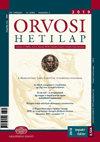
The journal publishes original and review papers in the fields of experimental and clinical medicine. It covers epidemiology, diagnostics, therapy and the prevention of human diseases as well as papers of medical history.
Orvosi Hetilap is the oldest, still in-print, Hungarian publication and also the one-and-only weekly published scientific journal in Hungary.
The strategy of the journal is based on the Curatorium of the Lajos Markusovszky Foundation and on the National and International Editorial Board. The 150 year-old journal is part of the Hungarian Cultural Heritage.




 京公网安备 11010802042870号
京ICP备2023020795号-1
京公网安备 11010802042870号
京ICP备2023020795号-1

 分享
分享
 求助内容:
求助内容: 应助结果提醒方式:
 扫码关注我们
