{"title":"通过评估营养来源、质量评估和染色方法,经济高效地生产康普茶细菌纤维素。","authors":"Hilmi Amanah Aditya Cahyaningtyas, Gerry Renaldi, Fidia Fibriana, Wiwiek Eka Mulyani","doi":"10.1007/s11356-025-35915-5","DOIUrl":null,"url":null,"abstract":"<div><p>Kombucha is a popular fermented beverage that involves fermentation using a symbiotic culture of bacteria and yeast (SCOBY) and produces bacterial cellulose (BC). Carbon and nitrogen sources are essential in kombucha processing and BC production. However, studies on cost-effective BC production as an alternative source of leather have remained scarce. This study aimed to assess the effects of various nitrogen and carbon sources on the production of kombucha BC, investigate the qualities, and dye the product using natural colorant. Different nitrogen sources (such as black tea, white tea, and green tea) and carbon sources (honey, sugar cane, palm sugar, and brown sugar) were used to produce kombucha BC, as well as to appraise the product qualities, which were dyed using three distinct natural dyes (coffee, ginger, and sappan wood). The results revealed that different nitrogen and carbon sources produced different BC with different properties. Green tea (N-source) and palm sugar (C-source) containing medium produced a BC thickness of 0.194 ± 0.04 mm with the highest tensile strength (24.42 ± 3.90 g). Different dyes also result in the fabric having different colors: brownish yellow (coffee), yellowish orange (ginger), and red (sappan wood). All BC products showed color stability after 8 months of storing at room temperature. In conclusion, effective BC production could use green tea and palm sugar as the best nitrogen and carbon sources, respectively. Dyed BC showed good visual quality and is promising for its eco-friendly and sustainable application in fashion products.</p></div>","PeriodicalId":545,"journal":{"name":"Environmental Science and Pollution Research","volume":"32 5","pages":"2713 - 2725"},"PeriodicalIF":5.8000,"publicationDate":"2025-01-15","publicationTypes":"Journal Article","fieldsOfStudy":null,"isOpenAccess":false,"openAccessPdf":"","citationCount":"0","resultStr":"{\"title\":\"Cost-effective production of kombucha bacterial cellulose by evaluating nutrient sources, quality assessment, and dyeing methods\",\"authors\":\"Hilmi Amanah Aditya Cahyaningtyas, Gerry Renaldi, Fidia Fibriana, Wiwiek Eka Mulyani\",\"doi\":\"10.1007/s11356-025-35915-5\",\"DOIUrl\":null,\"url\":null,\"abstract\":\"<div><p>Kombucha is a popular fermented beverage that involves fermentation using a symbiotic culture of bacteria and yeast (SCOBY) and produces bacterial cellulose (BC). Carbon and nitrogen sources are essential in kombucha processing and BC production. However, studies on cost-effective BC production as an alternative source of leather have remained scarce. This study aimed to assess the effects of various nitrogen and carbon sources on the production of kombucha BC, investigate the qualities, and dye the product using natural colorant. Different nitrogen sources (such as black tea, white tea, and green tea) and carbon sources (honey, sugar cane, palm sugar, and brown sugar) were used to produce kombucha BC, as well as to appraise the product qualities, which were dyed using three distinct natural dyes (coffee, ginger, and sappan wood). The results revealed that different nitrogen and carbon sources produced different BC with different properties. Green tea (N-source) and palm sugar (C-source) containing medium produced a BC thickness of 0.194 ± 0.04 mm with the highest tensile strength (24.42 ± 3.90 g). Different dyes also result in the fabric having different colors: brownish yellow (coffee), yellowish orange (ginger), and red (sappan wood). All BC products showed color stability after 8 months of storing at room temperature. In conclusion, effective BC production could use green tea and palm sugar as the best nitrogen and carbon sources, respectively. Dyed BC showed good visual quality and is promising for its eco-friendly and sustainable application in fashion products.</p></div>\",\"PeriodicalId\":545,\"journal\":{\"name\":\"Environmental Science and Pollution Research\",\"volume\":\"32 5\",\"pages\":\"2713 - 2725\"},\"PeriodicalIF\":5.8000,\"publicationDate\":\"2025-01-15\",\"publicationTypes\":\"Journal Article\",\"fieldsOfStudy\":null,\"isOpenAccess\":false,\"openAccessPdf\":\"\",\"citationCount\":\"0\",\"resultStr\":null,\"platform\":\"Semanticscholar\",\"paperid\":null,\"PeriodicalName\":\"Environmental Science and Pollution Research\",\"FirstCategoryId\":\"93\",\"ListUrlMain\":\"https://link.springer.com/article/10.1007/s11356-025-35915-5\",\"RegionNum\":3,\"RegionCategory\":\"环境科学与生态学\",\"ArticlePicture\":[],\"TitleCN\":null,\"AbstractTextCN\":null,\"PMCID\":null,\"EPubDate\":\"\",\"PubModel\":\"\",\"JCR\":\"0\",\"JCRName\":\"ENVIRONMENTAL SCIENCES\",\"Score\":null,\"Total\":0}","platform":"Semanticscholar","paperid":null,"PeriodicalName":"Environmental Science and Pollution Research","FirstCategoryId":"93","ListUrlMain":"https://link.springer.com/article/10.1007/s11356-025-35915-5","RegionNum":3,"RegionCategory":"环境科学与生态学","ArticlePicture":[],"TitleCN":null,"AbstractTextCN":null,"PMCID":null,"EPubDate":"","PubModel":"","JCR":"0","JCRName":"ENVIRONMENTAL SCIENCES","Score":null,"Total":0}
引用次数: 0
摘要
昆布茶是一种流行的发酵饮料,它通过细菌和酵母(SCOBY)的共生培养进行发酵,并产生细菌纤维素(BC)。碳源和氮源在昆布茶加工和 BC 生产中至关重要。然而,有关将具有成本效益的 BC 生产作为皮革替代来源的研究仍然很少。本研究旨在评估各种氮源和碳源对昆布BC生产的影响,调查其质量,并使用天然着色剂对产品进行染色。研究使用了不同的氮源(如红茶、白茶和绿茶)和碳源(蜂蜜、甘蔗、棕榈糖和红糖)来生产昆布萃取物,并使用三种不同的天然染料(咖啡、生姜和苏木)对产品进行染色,以评价产品的品质。结果表明,不同的氮源和碳源能生产出不同性质的生物碱。含绿茶(氮源)和棕榈糖(碳源)的培养基产生的 BC 厚度为 0.194 ± 0.04 毫米,拉伸强度最高(24.42 ± 3.90 克)。不同的染料也会使织物呈现不同的颜色:棕黄色(咖啡)、黄橙色(生姜)和红色(苏木)。在室温下存放 8 个月后,所有 BC 产品的颜色均保持稳定。总之,绿茶和棕榈糖可分别作为最佳氮源和碳源,有效地生产 BC。染色 BC 显示出良好的视觉质量,有望在时尚产品中以生态友好和可持续的方式加以应用。
Cost-effective production of kombucha bacterial cellulose by evaluating nutrient sources, quality assessment, and dyeing methods
Kombucha is a popular fermented beverage that involves fermentation using a symbiotic culture of bacteria and yeast (SCOBY) and produces bacterial cellulose (BC). Carbon and nitrogen sources are essential in kombucha processing and BC production. However, studies on cost-effective BC production as an alternative source of leather have remained scarce. This study aimed to assess the effects of various nitrogen and carbon sources on the production of kombucha BC, investigate the qualities, and dye the product using natural colorant. Different nitrogen sources (such as black tea, white tea, and green tea) and carbon sources (honey, sugar cane, palm sugar, and brown sugar) were used to produce kombucha BC, as well as to appraise the product qualities, which were dyed using three distinct natural dyes (coffee, ginger, and sappan wood). The results revealed that different nitrogen and carbon sources produced different BC with different properties. Green tea (N-source) and palm sugar (C-source) containing medium produced a BC thickness of 0.194 ± 0.04 mm with the highest tensile strength (24.42 ± 3.90 g). Different dyes also result in the fabric having different colors: brownish yellow (coffee), yellowish orange (ginger), and red (sappan wood). All BC products showed color stability after 8 months of storing at room temperature. In conclusion, effective BC production could use green tea and palm sugar as the best nitrogen and carbon sources, respectively. Dyed BC showed good visual quality and is promising for its eco-friendly and sustainable application in fashion products.
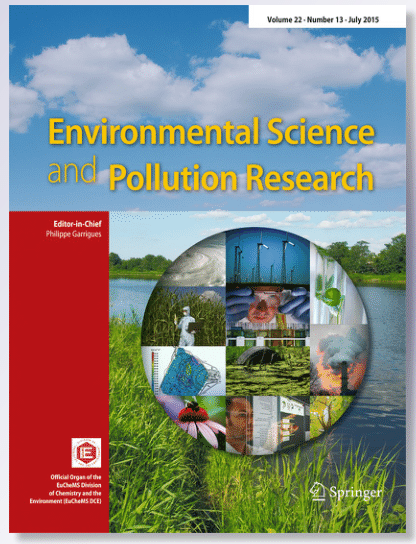
期刊介绍:
Environmental Science and Pollution Research (ESPR) serves the international community in all areas of Environmental Science and related subjects with emphasis on chemical compounds. This includes:
- Terrestrial Biology and Ecology
- Aquatic Biology and Ecology
- Atmospheric Chemistry
- Environmental Microbiology/Biobased Energy Sources
- Phytoremediation and Ecosystem Restoration
- Environmental Analyses and Monitoring
- Assessment of Risks and Interactions of Pollutants in the Environment
- Conservation Biology and Sustainable Agriculture
- Impact of Chemicals/Pollutants on Human and Animal Health
It reports from a broad interdisciplinary outlook.




 京公网安备 11010802042870号
京ICP备2023020795号-1
京公网安备 11010802042870号
京ICP备2023020795号-1

 分享
分享
 求助内容:
求助内容: 应助结果提醒方式:
 扫码关注我们
