Kornél Ádám, Luca Barta, Gábor Xantus, Bánk Fenyves, Csaba Varga
{"title":"[匈牙利急诊科患者满意度简易量表的验证]。","authors":"Kornél Ádám, Luca Barta, Gábor Xantus, Bánk Fenyves, Csaba Varga","doi":"10.1556/650.2025.33193","DOIUrl":null,"url":null,"abstract":"<p><p>Introduction: Measuring patient satisfaction is crucial for quality improvement processes. Due to the specific characteristics of emergency care, it is essential to use an adapted measurement tool. The Brief Emergency Department Patient Satisfaction Scale is an internationally validated questionnaire specifically developed to measure patient satisfaction in emergency care settings. Its reliability and validity have not yet been studied in Hungary. Objective: The aim of this study was to analyze the reliability and applicability of the Hungarian version of the survey, as well as to examine the components of patient satisfaction, based on data collected from a Hungarian emergency department. Method: Data collection took place between January 2023 and August 2024. A total of 683 non-traumatology patients and/or their relatives who visited the Semmelweis University Emergency Department completed the questionnaire. For the analysis, Cronbach’s alpha was calculated to assess reliability, a median test was used to analyze differences across satisfaction subscales, and factor analysis was conducted. Results: The overall and subscale Cronbach’s alpha values indicated excellent reliability and internal consistency (Cronbach’s alpha: 0.86–0.94). The median test showed significant differences between satisfaction with staff and overall patient satisfaction (χ² = 7.57, p = 0.006) and between satisfaction with staff and family satisfaction (χ² = 4.90, p = 0.027), while differences between satisfaction with staff and environment perception (p = 0.064) and between satisfaction with staff and medical care (p = 0.056) were not significant. According to Cliff’s delta, the largest effect size was observed between satisfaction with staff and overall patient satisfaction (Cliff’s delta = 0.17). Factor analysis identified five main factors explaining the total variance. Discussion: The questionnaire demonstrated high reliability in measuring various aspects of patient satisfaction. Strong correlations between subscales and the results of the factor analysis confirmed the complexity of the questionnaire, indicating that it effectively captures the essential dimensions of patient satisfaction. As expected, overall patient satisfaction was the most significantly influenced by satisfaction with the staff. Conclusion: The Hungarian adaptation of the questionnaire is a reliable tool with face validity for measuring patient satisfaction in emergency departments. Further studies are recommended for a more detailed statistical analysis with expanded demographic variables, potentially including multiple centers, to refine the findings. With a broader implementation, the tool could contribute to a deeper understanding of patient satisfaction across emergency care settings in Hungary. Orv Hetil. 2025; 166(3): 109–115.</p>","PeriodicalId":19911,"journal":{"name":"Orvosi hetilap","volume":"166 3","pages":"109-115"},"PeriodicalIF":1.0000,"publicationDate":"2025-01-19","publicationTypes":"Journal Article","fieldsOfStudy":null,"isOpenAccess":false,"openAccessPdf":"","citationCount":"0","resultStr":"{\"title\":\"[Validation of the Brief Emergency Department Patient Satisfaction Scale in Hungary].\",\"authors\":\"Kornél Ádám, Luca Barta, Gábor Xantus, Bánk Fenyves, Csaba Varga\",\"doi\":\"10.1556/650.2025.33193\",\"DOIUrl\":null,\"url\":null,\"abstract\":\"<p><p>Introduction: Measuring patient satisfaction is crucial for quality improvement processes. Due to the specific characteristics of emergency care, it is essential to use an adapted measurement tool. The Brief Emergency Department Patient Satisfaction Scale is an internationally validated questionnaire specifically developed to measure patient satisfaction in emergency care settings. Its reliability and validity have not yet been studied in Hungary. Objective: The aim of this study was to analyze the reliability and applicability of the Hungarian version of the survey, as well as to examine the components of patient satisfaction, based on data collected from a Hungarian emergency department. Method: Data collection took place between January 2023 and August 2024. A total of 683 non-traumatology patients and/or their relatives who visited the Semmelweis University Emergency Department completed the questionnaire. For the analysis, Cronbach’s alpha was calculated to assess reliability, a median test was used to analyze differences across satisfaction subscales, and factor analysis was conducted. Results: The overall and subscale Cronbach’s alpha values indicated excellent reliability and internal consistency (Cronbach’s alpha: 0.86–0.94). The median test showed significant differences between satisfaction with staff and overall patient satisfaction (χ² = 7.57, p = 0.006) and between satisfaction with staff and family satisfaction (χ² = 4.90, p = 0.027), while differences between satisfaction with staff and environment perception (p = 0.064) and between satisfaction with staff and medical care (p = 0.056) were not significant. According to Cliff’s delta, the largest effect size was observed between satisfaction with staff and overall patient satisfaction (Cliff’s delta = 0.17). Factor analysis identified five main factors explaining the total variance. Discussion: The questionnaire demonstrated high reliability in measuring various aspects of patient satisfaction. Strong correlations between subscales and the results of the factor analysis confirmed the complexity of the questionnaire, indicating that it effectively captures the essential dimensions of patient satisfaction. As expected, overall patient satisfaction was the most significantly influenced by satisfaction with the staff. Conclusion: The Hungarian adaptation of the questionnaire is a reliable tool with face validity for measuring patient satisfaction in emergency departments. Further studies are recommended for a more detailed statistical analysis with expanded demographic variables, potentially including multiple centers, to refine the findings. With a broader implementation, the tool could contribute to a deeper understanding of patient satisfaction across emergency care settings in Hungary. Orv Hetil. 2025; 166(3): 109–115.</p>\",\"PeriodicalId\":19911,\"journal\":{\"name\":\"Orvosi hetilap\",\"volume\":\"166 3\",\"pages\":\"109-115\"},\"PeriodicalIF\":1.0000,\"publicationDate\":\"2025-01-19\",\"publicationTypes\":\"Journal Article\",\"fieldsOfStudy\":null,\"isOpenAccess\":false,\"openAccessPdf\":\"\",\"citationCount\":\"0\",\"resultStr\":null,\"platform\":\"Semanticscholar\",\"paperid\":null,\"PeriodicalName\":\"Orvosi hetilap\",\"FirstCategoryId\":\"3\",\"ListUrlMain\":\"https://doi.org/10.1556/650.2025.33193\",\"RegionNum\":4,\"RegionCategory\":\"医学\",\"ArticlePicture\":[],\"TitleCN\":null,\"AbstractTextCN\":null,\"PMCID\":null,\"EPubDate\":\"\",\"PubModel\":\"\",\"JCR\":\"Q3\",\"JCRName\":\"MEDICINE, GENERAL & INTERNAL\",\"Score\":null,\"Total\":0}","platform":"Semanticscholar","paperid":null,"PeriodicalName":"Orvosi hetilap","FirstCategoryId":"3","ListUrlMain":"https://doi.org/10.1556/650.2025.33193","RegionNum":4,"RegionCategory":"医学","ArticlePicture":[],"TitleCN":null,"AbstractTextCN":null,"PMCID":null,"EPubDate":"","PubModel":"","JCR":"Q3","JCRName":"MEDICINE, GENERAL & INTERNAL","Score":null,"Total":0}
[Validation of the Brief Emergency Department Patient Satisfaction Scale in Hungary].
Introduction: Measuring patient satisfaction is crucial for quality improvement processes. Due to the specific characteristics of emergency care, it is essential to use an adapted measurement tool. The Brief Emergency Department Patient Satisfaction Scale is an internationally validated questionnaire specifically developed to measure patient satisfaction in emergency care settings. Its reliability and validity have not yet been studied in Hungary. Objective: The aim of this study was to analyze the reliability and applicability of the Hungarian version of the survey, as well as to examine the components of patient satisfaction, based on data collected from a Hungarian emergency department. Method: Data collection took place between January 2023 and August 2024. A total of 683 non-traumatology patients and/or their relatives who visited the Semmelweis University Emergency Department completed the questionnaire. For the analysis, Cronbach’s alpha was calculated to assess reliability, a median test was used to analyze differences across satisfaction subscales, and factor analysis was conducted. Results: The overall and subscale Cronbach’s alpha values indicated excellent reliability and internal consistency (Cronbach’s alpha: 0.86–0.94). The median test showed significant differences between satisfaction with staff and overall patient satisfaction (χ² = 7.57, p = 0.006) and between satisfaction with staff and family satisfaction (χ² = 4.90, p = 0.027), while differences between satisfaction with staff and environment perception (p = 0.064) and between satisfaction with staff and medical care (p = 0.056) were not significant. According to Cliff’s delta, the largest effect size was observed between satisfaction with staff and overall patient satisfaction (Cliff’s delta = 0.17). Factor analysis identified five main factors explaining the total variance. Discussion: The questionnaire demonstrated high reliability in measuring various aspects of patient satisfaction. Strong correlations between subscales and the results of the factor analysis confirmed the complexity of the questionnaire, indicating that it effectively captures the essential dimensions of patient satisfaction. As expected, overall patient satisfaction was the most significantly influenced by satisfaction with the staff. Conclusion: The Hungarian adaptation of the questionnaire is a reliable tool with face validity for measuring patient satisfaction in emergency departments. Further studies are recommended for a more detailed statistical analysis with expanded demographic variables, potentially including multiple centers, to refine the findings. With a broader implementation, the tool could contribute to a deeper understanding of patient satisfaction across emergency care settings in Hungary. Orv Hetil. 2025; 166(3): 109–115.
期刊介绍:
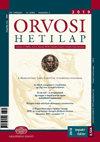
The journal publishes original and review papers in the fields of experimental and clinical medicine. It covers epidemiology, diagnostics, therapy and the prevention of human diseases as well as papers of medical history.
Orvosi Hetilap is the oldest, still in-print, Hungarian publication and also the one-and-only weekly published scientific journal in Hungary.
The strategy of the journal is based on the Curatorium of the Lajos Markusovszky Foundation and on the National and International Editorial Board. The 150 year-old journal is part of the Hungarian Cultural Heritage.




 京公网安备 11010802042870号
京ICP备2023020795号-1
京公网安备 11010802042870号
京ICP备2023020795号-1

 分享
分享
 求助内容:
求助内容: 应助结果提醒方式:
 扫码关注我们
