Victor Augusto Ramos Fernandes, Gabriela Pereira Dos Santos, Amilton Iatecola, Daniela Vieira Buchaim, Ionaly Judith Faria Garcia, Carlos Henrique Bertoni Reis, Lívia Maluf Menegazzo Bueno, Bruna Trazzi Pagani, Rogerio Leone Buchaim, Marcelo Rodrigues da Cunha
{"title":"补充一水肌酸对肌营养不良小鼠腓肠肌的初步研究。","authors":"Victor Augusto Ramos Fernandes, Gabriela Pereira Dos Santos, Amilton Iatecola, Daniela Vieira Buchaim, Ionaly Judith Faria Garcia, Carlos Henrique Bertoni Reis, Lívia Maluf Menegazzo Bueno, Bruna Trazzi Pagani, Rogerio Leone Buchaim, Marcelo Rodrigues da Cunha","doi":"10.3390/pathophysiology32010002","DOIUrl":null,"url":null,"abstract":"<p><p><b>Background/Objectives:</b> Duchenne muscular dystrophy (DMD) is a genetic disease characterized by a lack of dystrophin caused by mutations in the DMD gene, and some minor cases are due to decreased levels of dystrophin, leading to muscle weakness and motor impairment. Creatine supplementation has demonstrated several benefits for the muscle, such as increased strength, enhanced tissue repair, and improved ATP resynthesis. This preliminary study aimed to investigate the effects of creatine on the gastrocnemius muscle in dystrophy muscle (MDX) and healthy C57BL/10 mice. <b>Methods:</b> Twenty MDX and C57Bl/10 mice were organized into groups and supplemented or not with creatine in a dosage of 0.3 mg for 8 weeks. Gastrocnemius tissue was analyzed using histomorphology and histomorphometric techniques. <b>Results:</b> The results demonstrated potential anti-inflammatory effects of creatine, with less observation of inflammatory infiltrates, the preservation of intramuscular glycogen, and reduction in tissue fibrosis in supplemented animals. <b>Conclusions:</b> These findings suggest that creatine may enhance tissue function and slow the progression of DMD. However, further research, with more analysis, is needed to elucidate molecular mechanisms underlying creatine's effects on reducing mononuclear leukocytes and its role in mitigating tissue fibrosis.</p>","PeriodicalId":19852,"journal":{"name":"Pathophysiology","volume":"32 1","pages":""},"PeriodicalIF":3.5000,"publicationDate":"2025-01-06","publicationTypes":"Journal Article","fieldsOfStudy":null,"isOpenAccess":false,"openAccessPdf":"https://www.ncbi.nlm.nih.gov/pmc/articles/PMC11755625/pdf/","citationCount":"0","resultStr":"{\"title\":\"Evaluation of Creatine Monohydrate Supplementation on the Gastrocnemius Muscle of Mice with Muscular Dystrophy: A Preliminary Study.\",\"authors\":\"Victor Augusto Ramos Fernandes, Gabriela Pereira Dos Santos, Amilton Iatecola, Daniela Vieira Buchaim, Ionaly Judith Faria Garcia, Carlos Henrique Bertoni Reis, Lívia Maluf Menegazzo Bueno, Bruna Trazzi Pagani, Rogerio Leone Buchaim, Marcelo Rodrigues da Cunha\",\"doi\":\"10.3390/pathophysiology32010002\",\"DOIUrl\":null,\"url\":null,\"abstract\":\"<p><p><b>Background/Objectives:</b> Duchenne muscular dystrophy (DMD) is a genetic disease characterized by a lack of dystrophin caused by mutations in the DMD gene, and some minor cases are due to decreased levels of dystrophin, leading to muscle weakness and motor impairment. Creatine supplementation has demonstrated several benefits for the muscle, such as increased strength, enhanced tissue repair, and improved ATP resynthesis. This preliminary study aimed to investigate the effects of creatine on the gastrocnemius muscle in dystrophy muscle (MDX) and healthy C57BL/10 mice. <b>Methods:</b> Twenty MDX and C57Bl/10 mice were organized into groups and supplemented or not with creatine in a dosage of 0.3 mg for 8 weeks. Gastrocnemius tissue was analyzed using histomorphology and histomorphometric techniques. <b>Results:</b> The results demonstrated potential anti-inflammatory effects of creatine, with less observation of inflammatory infiltrates, the preservation of intramuscular glycogen, and reduction in tissue fibrosis in supplemented animals. <b>Conclusions:</b> These findings suggest that creatine may enhance tissue function and slow the progression of DMD. However, further research, with more analysis, is needed to elucidate molecular mechanisms underlying creatine's effects on reducing mononuclear leukocytes and its role in mitigating tissue fibrosis.</p>\",\"PeriodicalId\":19852,\"journal\":{\"name\":\"Pathophysiology\",\"volume\":\"32 1\",\"pages\":\"\"},\"PeriodicalIF\":3.5000,\"publicationDate\":\"2025-01-06\",\"publicationTypes\":\"Journal Article\",\"fieldsOfStudy\":null,\"isOpenAccess\":false,\"openAccessPdf\":\"https://www.ncbi.nlm.nih.gov/pmc/articles/PMC11755625/pdf/\",\"citationCount\":\"0\",\"resultStr\":null,\"platform\":\"Semanticscholar\",\"paperid\":null,\"PeriodicalName\":\"Pathophysiology\",\"FirstCategoryId\":\"1085\",\"ListUrlMain\":\"https://doi.org/10.3390/pathophysiology32010002\",\"RegionNum\":0,\"RegionCategory\":null,\"ArticlePicture\":[],\"TitleCN\":null,\"AbstractTextCN\":null,\"PMCID\":null,\"EPubDate\":\"\",\"PubModel\":\"\",\"JCR\":\"Q2\",\"JCRName\":\"PATHOLOGY\",\"Score\":null,\"Total\":0}","platform":"Semanticscholar","paperid":null,"PeriodicalName":"Pathophysiology","FirstCategoryId":"1085","ListUrlMain":"https://doi.org/10.3390/pathophysiology32010002","RegionNum":0,"RegionCategory":null,"ArticlePicture":[],"TitleCN":null,"AbstractTextCN":null,"PMCID":null,"EPubDate":"","PubModel":"","JCR":"Q2","JCRName":"PATHOLOGY","Score":null,"Total":0}
Evaluation of Creatine Monohydrate Supplementation on the Gastrocnemius Muscle of Mice with Muscular Dystrophy: A Preliminary Study.
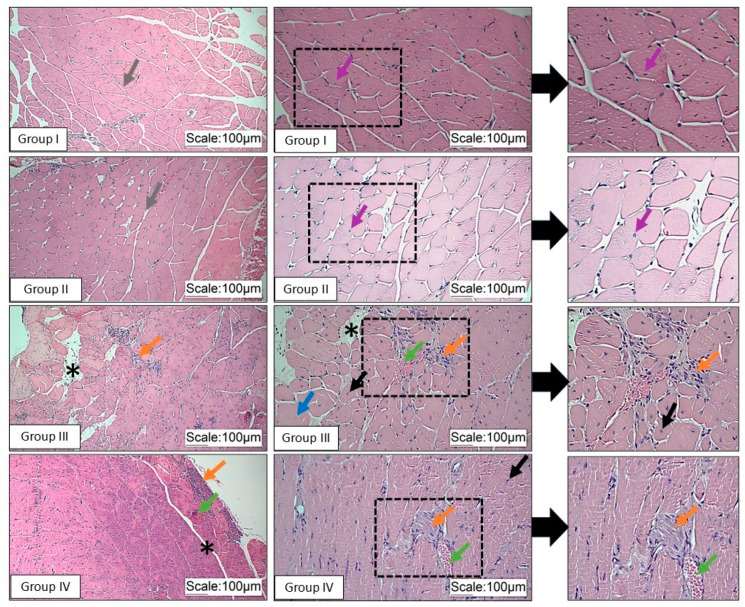
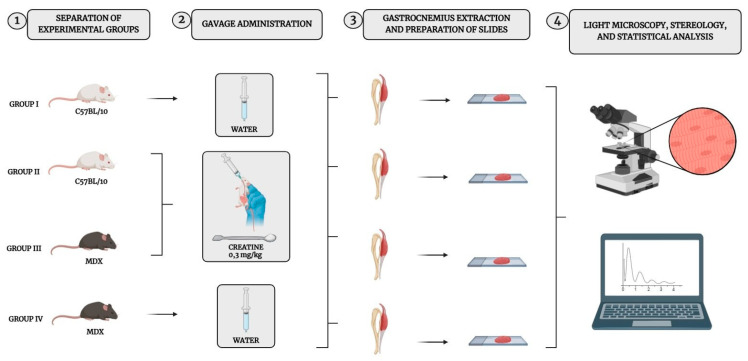
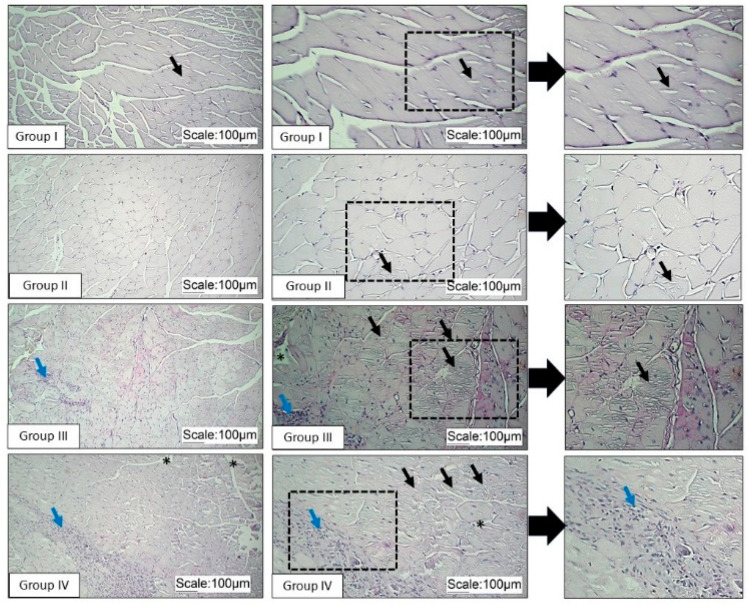
Background/Objectives: Duchenne muscular dystrophy (DMD) is a genetic disease characterized by a lack of dystrophin caused by mutations in the DMD gene, and some minor cases are due to decreased levels of dystrophin, leading to muscle weakness and motor impairment. Creatine supplementation has demonstrated several benefits for the muscle, such as increased strength, enhanced tissue repair, and improved ATP resynthesis. This preliminary study aimed to investigate the effects of creatine on the gastrocnemius muscle in dystrophy muscle (MDX) and healthy C57BL/10 mice. Methods: Twenty MDX and C57Bl/10 mice were organized into groups and supplemented or not with creatine in a dosage of 0.3 mg for 8 weeks. Gastrocnemius tissue was analyzed using histomorphology and histomorphometric techniques. Results: The results demonstrated potential anti-inflammatory effects of creatine, with less observation of inflammatory infiltrates, the preservation of intramuscular glycogen, and reduction in tissue fibrosis in supplemented animals. Conclusions: These findings suggest that creatine may enhance tissue function and slow the progression of DMD. However, further research, with more analysis, is needed to elucidate molecular mechanisms underlying creatine's effects on reducing mononuclear leukocytes and its role in mitigating tissue fibrosis.
期刊介绍:
Pathophysiology is an international journal which publishes papers in English which address the etiology, development, and elimination of pathological processes. Contributions on the basic mechanisms underlying these processes, model systems and interdisciplinary approaches are strongly encouraged.





 京公网安备 11010802042870号
京ICP备2023020795号-1
京公网安备 11010802042870号
京ICP备2023020795号-1

 分享
分享
 求助内容:
求助内容: 应助结果提醒方式:
 扫码关注我们
