{"title":"吲哚布芬治疗缺血性心脑血管疾病的疗效和安全性:系统评价和荟萃分析","authors":"Xiaolu Luo, Chenglu Lai, Tielong Chen","doi":"10.3389/fcvm.2024.1509010","DOIUrl":null,"url":null,"abstract":"<p><strong>Objective: </strong>This meta-analysis aims to evaluate the safety and efficacy of indobufen in the treatment of cardiovascular diseases, cerebrovascular diseases, and thromboembolic disorders. The primary focus is on the incidence of major adverse cardiovascular events (MACE), thrombosis, bleeding events, and adverse reactions. The results are intended to provide a reference for the clinical application of indobufen and suggest directions for further large-scale, multi-center, prospective studies.</p><p><strong>Methods: </strong>This review follows the Preferred Reporting Items for Systematic Reviews and Meta-Analyses (PRISMA) guidelines. A comprehensive search was conducted in PubMed, Embase, Web of Science, and the Cochrane Library databases to identify all relevant studies on indobufen. Twelve trials, all randomized controlled trials (RCTs), met the inclusion criteria. The results were presented as risk ratios (RR) with 95% confidence intervals (CI), and meta-analysis was performed using RevMan 5.3 and Stata 18.0 software.</p><p><strong>Results: </strong>The meta-analysis included 12 randomized controlled trials. Regarding safety, indobufen showed superior clinical outcomes compared to other antiplatelet agents regarding bleeding events, gastrointestinal adverse reactions, and overall adverse reactions, with these differences being more pronounced in cardiovascular diseases. However, the effects of both treatments on efficacy outcomes, including MACE, myocardial infarction, angina, mortality, and thrombotic events, were similar. For stroke events, particularly in patients with cerebrovascular diseases, the use of indobufen was associated with some risk.</p><p><strong>Conclusion: </strong>Indobufen is associated with a lower risk of adverse reactions and bleeding, making it a viable option for patients at risk of bleeding or adverse effects, particularly in those with cardiovascular diseases. However, compared to anticoagulants such as aspirin and clopidogrel, indobufen has a shorter history of use, and its evidence base is relatively limited, highlighting the need for further research. Currently, indobufen is widely used in secondary cardiovascular and cerebrovascular prevention and provides some guidance for antiplatelet therapy in patients with gastrointestinal discomfort or bleeding risk. However, due to the potential risks in MACE, stroke, and other events, further clinical trials are needed to assess the clinical applicability of indobufen.</p><p><strong>Systematic review registration: </strong>https://www.crd.york.ac.uk/, identifier (CRD42024587938).</p>","PeriodicalId":12414,"journal":{"name":"Frontiers in Cardiovascular Medicine","volume":"11 ","pages":"1509010"},"PeriodicalIF":2.8000,"publicationDate":"2025-01-09","publicationTypes":"Journal Article","fieldsOfStudy":null,"isOpenAccess":false,"openAccessPdf":"https://www.ncbi.nlm.nih.gov/pmc/articles/PMC11754262/pdf/","citationCount":"0","resultStr":"{\"title\":\"The efficacy and safety of indobufen in patients with ischemic cardiovascular or cerebrovascular diseases: systematic review and meta-analysis.\",\"authors\":\"Xiaolu Luo, Chenglu Lai, Tielong Chen\",\"doi\":\"10.3389/fcvm.2024.1509010\",\"DOIUrl\":null,\"url\":null,\"abstract\":\"<p><strong>Objective: </strong>This meta-analysis aims to evaluate the safety and efficacy of indobufen in the treatment of cardiovascular diseases, cerebrovascular diseases, and thromboembolic disorders. The primary focus is on the incidence of major adverse cardiovascular events (MACE), thrombosis, bleeding events, and adverse reactions. The results are intended to provide a reference for the clinical application of indobufen and suggest directions for further large-scale, multi-center, prospective studies.</p><p><strong>Methods: </strong>This review follows the Preferred Reporting Items for Systematic Reviews and Meta-Analyses (PRISMA) guidelines. A comprehensive search was conducted in PubMed, Embase, Web of Science, and the Cochrane Library databases to identify all relevant studies on indobufen. Twelve trials, all randomized controlled trials (RCTs), met the inclusion criteria. The results were presented as risk ratios (RR) with 95% confidence intervals (CI), and meta-analysis was performed using RevMan 5.3 and Stata 18.0 software.</p><p><strong>Results: </strong>The meta-analysis included 12 randomized controlled trials. Regarding safety, indobufen showed superior clinical outcomes compared to other antiplatelet agents regarding bleeding events, gastrointestinal adverse reactions, and overall adverse reactions, with these differences being more pronounced in cardiovascular diseases. However, the effects of both treatments on efficacy outcomes, including MACE, myocardial infarction, angina, mortality, and thrombotic events, were similar. For stroke events, particularly in patients with cerebrovascular diseases, the use of indobufen was associated with some risk.</p><p><strong>Conclusion: </strong>Indobufen is associated with a lower risk of adverse reactions and bleeding, making it a viable option for patients at risk of bleeding or adverse effects, particularly in those with cardiovascular diseases. However, compared to anticoagulants such as aspirin and clopidogrel, indobufen has a shorter history of use, and its evidence base is relatively limited, highlighting the need for further research. Currently, indobufen is widely used in secondary cardiovascular and cerebrovascular prevention and provides some guidance for antiplatelet therapy in patients with gastrointestinal discomfort or bleeding risk. However, due to the potential risks in MACE, stroke, and other events, further clinical trials are needed to assess the clinical applicability of indobufen.</p><p><strong>Systematic review registration: </strong>https://www.crd.york.ac.uk/, identifier (CRD42024587938).</p>\",\"PeriodicalId\":12414,\"journal\":{\"name\":\"Frontiers in Cardiovascular Medicine\",\"volume\":\"11 \",\"pages\":\"1509010\"},\"PeriodicalIF\":2.8000,\"publicationDate\":\"2025-01-09\",\"publicationTypes\":\"Journal Article\",\"fieldsOfStudy\":null,\"isOpenAccess\":false,\"openAccessPdf\":\"https://www.ncbi.nlm.nih.gov/pmc/articles/PMC11754262/pdf/\",\"citationCount\":\"0\",\"resultStr\":null,\"platform\":\"Semanticscholar\",\"paperid\":null,\"PeriodicalName\":\"Frontiers in Cardiovascular Medicine\",\"FirstCategoryId\":\"3\",\"ListUrlMain\":\"https://doi.org/10.3389/fcvm.2024.1509010\",\"RegionNum\":3,\"RegionCategory\":\"医学\",\"ArticlePicture\":[],\"TitleCN\":null,\"AbstractTextCN\":null,\"PMCID\":null,\"EPubDate\":\"2024/1/1 0:00:00\",\"PubModel\":\"eCollection\",\"JCR\":\"Q2\",\"JCRName\":\"CARDIAC & CARDIOVASCULAR SYSTEMS\",\"Score\":null,\"Total\":0}","platform":"Semanticscholar","paperid":null,"PeriodicalName":"Frontiers in Cardiovascular Medicine","FirstCategoryId":"3","ListUrlMain":"https://doi.org/10.3389/fcvm.2024.1509010","RegionNum":3,"RegionCategory":"医学","ArticlePicture":[],"TitleCN":null,"AbstractTextCN":null,"PMCID":null,"EPubDate":"2024/1/1 0:00:00","PubModel":"eCollection","JCR":"Q2","JCRName":"CARDIAC & CARDIOVASCULAR SYSTEMS","Score":null,"Total":0}
引用次数: 0
摘要
目的:本荟萃分析旨在评价吲哚布芬治疗心脑血管疾病和血栓栓塞性疾病的安全性和有效性。主要关注的是主要不良心血管事件(MACE)、血栓形成、出血事件和不良反应的发生率。本研究结果旨在为吲哚布芬的临床应用提供参考,并为进一步开展大规模、多中心、前瞻性研究提供方向。方法:本综述遵循系统评价和荟萃分析的首选报告项目(PRISMA)指南。我们在PubMed、Embase、Web of Science和Cochrane Library数据库中进行了全面的检索,以确定所有关于吲哚布芬的相关研究。12项试验均为随机对照试验(rct),符合纳入标准。结果以95%可信区间(CI)的风险比(RR)表示,采用RevMan 5.3和Stata 18.0软件进行meta分析。结果:meta分析纳入12项随机对照试验。在安全性方面,与其他抗血小板药物相比,indobufen在出血事件、胃肠道不良反应和总体不良反应方面表现出更好的临床结果,这些差异在心血管疾病中更为明显。然而,两种治疗对疗效结局的影响,包括MACE、心肌梗死、心绞痛、死亡率和血栓事件,是相似的。对于中风事件,特别是脑血管疾病患者,使用吲哚布芬与一定风险相关。结论:吲哚布芬与较低的不良反应和出血风险相关,使其成为出血或不良反应风险患者的可行选择,特别是那些患有心血管疾病的患者。然而,与阿司匹林、氯吡格雷等抗凝剂相比,吲哚布芬的使用历史较短,证据基础相对有限,需要进一步研究。目前,吲哚布芬广泛应用于心脑血管二级预防,对有胃肠道不适或出血风险患者的抗血小板治疗具有一定指导作用。然而,由于indobufen在MACE、卒中和其他事件中的潜在风险,需要进一步的临床试验来评估indobufen的临床适用性。系统评价注册:https://www.crd.york.ac.uk/,标识符(CRD42024587938)。
The efficacy and safety of indobufen in patients with ischemic cardiovascular or cerebrovascular diseases: systematic review and meta-analysis.
Objective: This meta-analysis aims to evaluate the safety and efficacy of indobufen in the treatment of cardiovascular diseases, cerebrovascular diseases, and thromboembolic disorders. The primary focus is on the incidence of major adverse cardiovascular events (MACE), thrombosis, bleeding events, and adverse reactions. The results are intended to provide a reference for the clinical application of indobufen and suggest directions for further large-scale, multi-center, prospective studies.
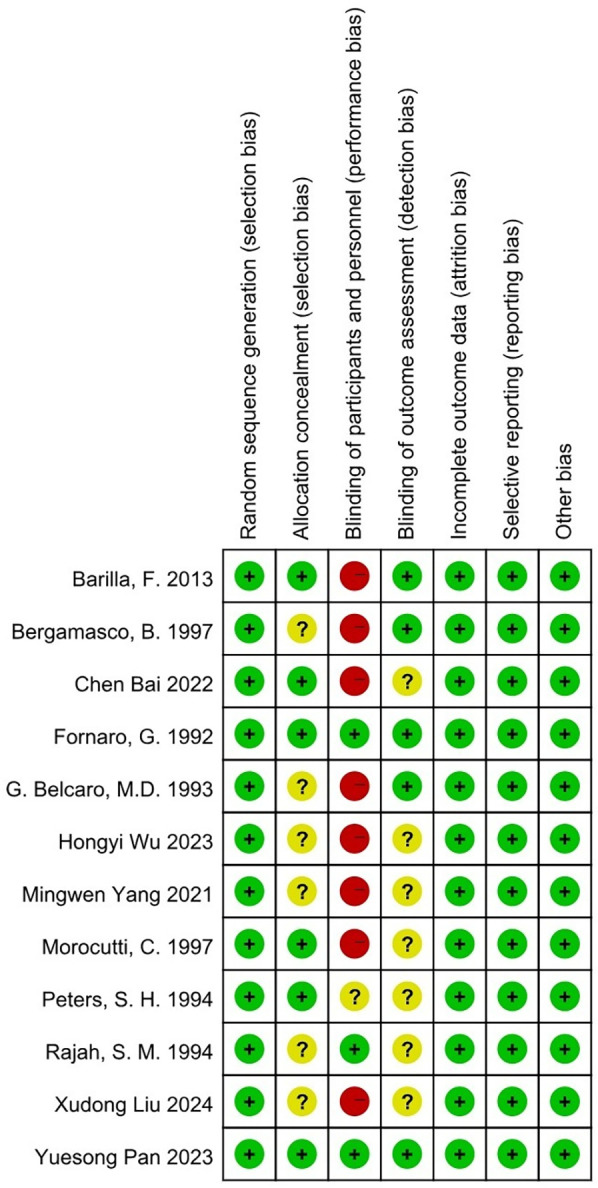
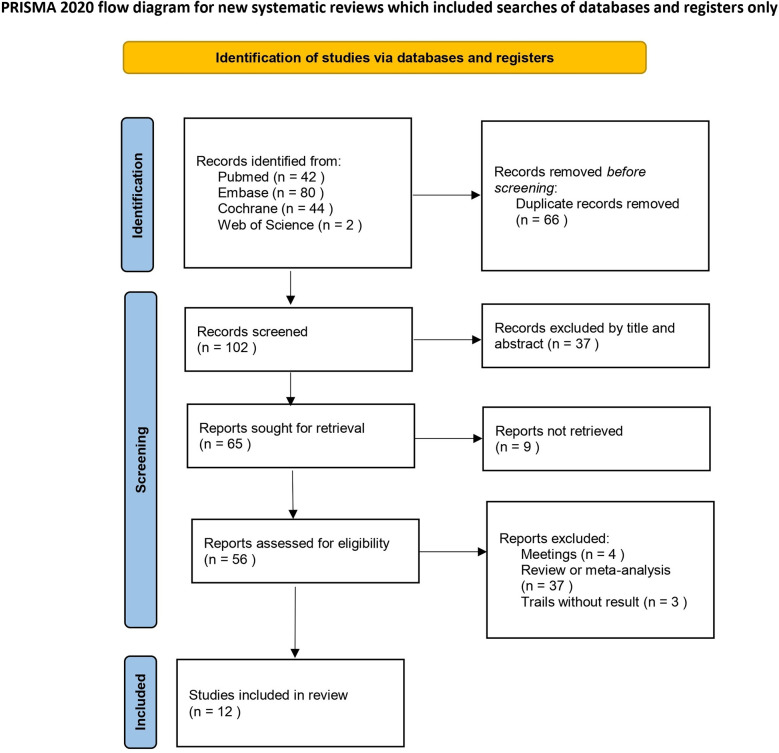
Methods: This review follows the Preferred Reporting Items for Systematic Reviews and Meta-Analyses (PRISMA) guidelines. A comprehensive search was conducted in PubMed, Embase, Web of Science, and the Cochrane Library databases to identify all relevant studies on indobufen. Twelve trials, all randomized controlled trials (RCTs), met the inclusion criteria. The results were presented as risk ratios (RR) with 95% confidence intervals (CI), and meta-analysis was performed using RevMan 5.3 and Stata 18.0 software.
Results: The meta-analysis included 12 randomized controlled trials. Regarding safety, indobufen showed superior clinical outcomes compared to other antiplatelet agents regarding bleeding events, gastrointestinal adverse reactions, and overall adverse reactions, with these differences being more pronounced in cardiovascular diseases. However, the effects of both treatments on efficacy outcomes, including MACE, myocardial infarction, angina, mortality, and thrombotic events, were similar. For stroke events, particularly in patients with cerebrovascular diseases, the use of indobufen was associated with some risk.
Conclusion: Indobufen is associated with a lower risk of adverse reactions and bleeding, making it a viable option for patients at risk of bleeding or adverse effects, particularly in those with cardiovascular diseases. However, compared to anticoagulants such as aspirin and clopidogrel, indobufen has a shorter history of use, and its evidence base is relatively limited, highlighting the need for further research. Currently, indobufen is widely used in secondary cardiovascular and cerebrovascular prevention and provides some guidance for antiplatelet therapy in patients with gastrointestinal discomfort or bleeding risk. However, due to the potential risks in MACE, stroke, and other events, further clinical trials are needed to assess the clinical applicability of indobufen.
期刊介绍:
Frontiers? Which frontiers? Where exactly are the frontiers of cardiovascular medicine? And who should be defining these frontiers?
At Frontiers in Cardiovascular Medicine we believe it is worth being curious to foresee and explore beyond the current frontiers. In other words, we would like, through the articles published by our community journal Frontiers in Cardiovascular Medicine, to anticipate the future of cardiovascular medicine, and thus better prevent cardiovascular disorders and improve therapeutic options and outcomes of our patients.





 京公网安备 11010802042870号
京ICP备2023020795号-1
京公网安备 11010802042870号
京ICP备2023020795号-1

 分享
分享
 求助内容:
求助内容: 应助结果提醒方式:
 扫码关注我们
