Fatimah Shaaban, Elie Salem Sokhn, Charbel Khalil, Fatima A Saleh
{"title":"脂肪源间充质基质细胞分泌组对耐甲氧西林金黄色葡萄球菌的抑菌活性。","authors":"Fatimah Shaaban, Elie Salem Sokhn, Charbel Khalil, Fatima A Saleh","doi":"10.1186/s13287-025-04138-3","DOIUrl":null,"url":null,"abstract":"<p><strong>Background: </strong>Methicillin-resistant Staphylococcus aureus (MRSA) is still a growing concern in the field of antimicrobial resistance due to its resistance to conventional antibiotics and its association with high mortality rates. Mesenchymal stromal cells (MSCs) have been shown as a promising and attractive alternative treatment for bacterial infections, due to their antibacterial properties and potential to bypass traditional resistance mechanisms. This study aims to shed light on the antibacterial potential of adipose-derived mesenchymal stromal cell (AD-MSC) secretome against clinical isolates of Staphylococcus spp., including MRSA strains.</p><p><strong>Methods: </strong>Using the Kirby-Bauer disk diffusion method, broth microdilution assays, and colony-forming unit (CFU) counting, the antibacterial activity of AD-MSC secretome was assessed. These tests were first conducted on Staphylococcus (S.) aureus ATCC 25923, then on 73 clinical isolates including MRSA strains. Further molecular analysis was performed to identify resistant genes in MRSA isolates.</p><p><strong>Results: </strong>The AD-MSC secretome demonstrated significant antibacterial activity against S. aureus ATCC with a 32 mm inhibition zone. 96% of the collected staphylococcal clinical isolates showed susceptibility to the secretome with 87.5% inhibition observed in MRSA isolates, along with 100% in MSSA, MSSE, and MRSE strains. Molecular analysis revealed that MRSA strains resistant to the secretome harbored mecA, ermA, and ermB genes. Additionally, the mecA-negative MRSA strains remained susceptible to the secretome, suggesting alternative resistance mechanisms.</p><p><strong>Conclusion: </strong>These findings emphasize the ability of AD-MSCs secretome as a promising alternative for treating antibiotic-resistant infections, with potential applications in combating MRSA. However, further research is required to explore its clinical applications as a complementary or standalone therapy for resistant infections.</p>","PeriodicalId":21876,"journal":{"name":"Stem Cell Research & Therapy","volume":"16 1","pages":"21"},"PeriodicalIF":7.8000,"publicationDate":"2025-01-23","publicationTypes":"Journal Article","fieldsOfStudy":null,"isOpenAccess":false,"openAccessPdf":"https://www.ncbi.nlm.nih.gov/pmc/articles/PMC11755800/pdf/","citationCount":"0","resultStr":"{\"title\":\"Antimicrobial activity of adipose-derived mesenchymal stromal cell secretome against methicillin-resistant Staphylococcus aureus.\",\"authors\":\"Fatimah Shaaban, Elie Salem Sokhn, Charbel Khalil, Fatima A Saleh\",\"doi\":\"10.1186/s13287-025-04138-3\",\"DOIUrl\":null,\"url\":null,\"abstract\":\"<p><strong>Background: </strong>Methicillin-resistant Staphylococcus aureus (MRSA) is still a growing concern in the field of antimicrobial resistance due to its resistance to conventional antibiotics and its association with high mortality rates. Mesenchymal stromal cells (MSCs) have been shown as a promising and attractive alternative treatment for bacterial infections, due to their antibacterial properties and potential to bypass traditional resistance mechanisms. This study aims to shed light on the antibacterial potential of adipose-derived mesenchymal stromal cell (AD-MSC) secretome against clinical isolates of Staphylococcus spp., including MRSA strains.</p><p><strong>Methods: </strong>Using the Kirby-Bauer disk diffusion method, broth microdilution assays, and colony-forming unit (CFU) counting, the antibacterial activity of AD-MSC secretome was assessed. These tests were first conducted on Staphylococcus (S.) aureus ATCC 25923, then on 73 clinical isolates including MRSA strains. Further molecular analysis was performed to identify resistant genes in MRSA isolates.</p><p><strong>Results: </strong>The AD-MSC secretome demonstrated significant antibacterial activity against S. aureus ATCC with a 32 mm inhibition zone. 96% of the collected staphylococcal clinical isolates showed susceptibility to the secretome with 87.5% inhibition observed in MRSA isolates, along with 100% in MSSA, MSSE, and MRSE strains. Molecular analysis revealed that MRSA strains resistant to the secretome harbored mecA, ermA, and ermB genes. Additionally, the mecA-negative MRSA strains remained susceptible to the secretome, suggesting alternative resistance mechanisms.</p><p><strong>Conclusion: </strong>These findings emphasize the ability of AD-MSCs secretome as a promising alternative for treating antibiotic-resistant infections, with potential applications in combating MRSA. However, further research is required to explore its clinical applications as a complementary or standalone therapy for resistant infections.</p>\",\"PeriodicalId\":21876,\"journal\":{\"name\":\"Stem Cell Research & Therapy\",\"volume\":\"16 1\",\"pages\":\"21\"},\"PeriodicalIF\":7.8000,\"publicationDate\":\"2025-01-23\",\"publicationTypes\":\"Journal Article\",\"fieldsOfStudy\":null,\"isOpenAccess\":false,\"openAccessPdf\":\"https://www.ncbi.nlm.nih.gov/pmc/articles/PMC11755800/pdf/\",\"citationCount\":\"0\",\"resultStr\":null,\"platform\":\"Semanticscholar\",\"paperid\":null,\"PeriodicalName\":\"Stem Cell Research & Therapy\",\"FirstCategoryId\":\"3\",\"ListUrlMain\":\"https://doi.org/10.1186/s13287-025-04138-3\",\"RegionNum\":2,\"RegionCategory\":\"医学\",\"ArticlePicture\":[],\"TitleCN\":null,\"AbstractTextCN\":null,\"PMCID\":null,\"EPubDate\":\"\",\"PubModel\":\"\",\"JCR\":\"Q1\",\"JCRName\":\"CELL & TISSUE ENGINEERING\",\"Score\":null,\"Total\":0}","platform":"Semanticscholar","paperid":null,"PeriodicalName":"Stem Cell Research & Therapy","FirstCategoryId":"3","ListUrlMain":"https://doi.org/10.1186/s13287-025-04138-3","RegionNum":2,"RegionCategory":"医学","ArticlePicture":[],"TitleCN":null,"AbstractTextCN":null,"PMCID":null,"EPubDate":"","PubModel":"","JCR":"Q1","JCRName":"CELL & TISSUE ENGINEERING","Score":null,"Total":0}
Antimicrobial activity of adipose-derived mesenchymal stromal cell secretome against methicillin-resistant Staphylococcus aureus.
Background: Methicillin-resistant Staphylococcus aureus (MRSA) is still a growing concern in the field of antimicrobial resistance due to its resistance to conventional antibiotics and its association with high mortality rates. Mesenchymal stromal cells (MSCs) have been shown as a promising and attractive alternative treatment for bacterial infections, due to their antibacterial properties and potential to bypass traditional resistance mechanisms. This study aims to shed light on the antibacterial potential of adipose-derived mesenchymal stromal cell (AD-MSC) secretome against clinical isolates of Staphylococcus spp., including MRSA strains.
Methods: Using the Kirby-Bauer disk diffusion method, broth microdilution assays, and colony-forming unit (CFU) counting, the antibacterial activity of AD-MSC secretome was assessed. These tests were first conducted on Staphylococcus (S.) aureus ATCC 25923, then on 73 clinical isolates including MRSA strains. Further molecular analysis was performed to identify resistant genes in MRSA isolates.
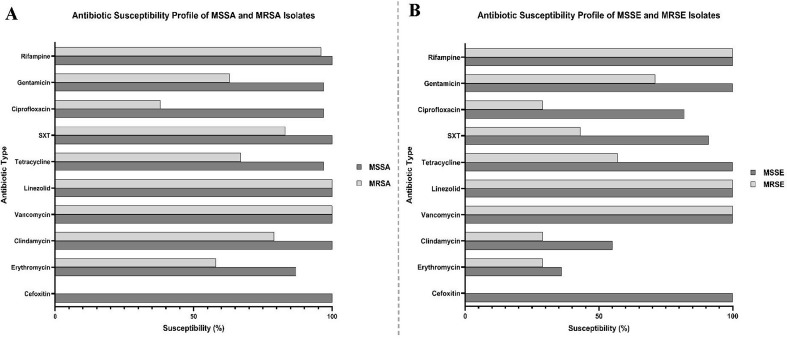
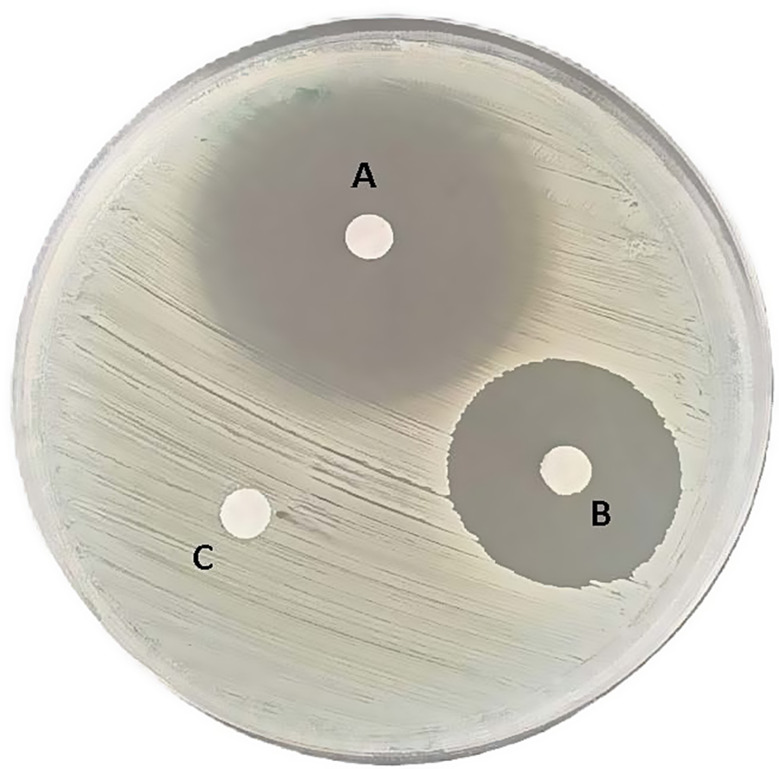
Results: The AD-MSC secretome demonstrated significant antibacterial activity against S. aureus ATCC with a 32 mm inhibition zone. 96% of the collected staphylococcal clinical isolates showed susceptibility to the secretome with 87.5% inhibition observed in MRSA isolates, along with 100% in MSSA, MSSE, and MRSE strains. Molecular analysis revealed that MRSA strains resistant to the secretome harbored mecA, ermA, and ermB genes. Additionally, the mecA-negative MRSA strains remained susceptible to the secretome, suggesting alternative resistance mechanisms.
Conclusion: These findings emphasize the ability of AD-MSCs secretome as a promising alternative for treating antibiotic-resistant infections, with potential applications in combating MRSA. However, further research is required to explore its clinical applications as a complementary or standalone therapy for resistant infections.
期刊介绍:
Stem Cell Research & Therapy serves as a leading platform for translational research in stem cell therapies. This international, peer-reviewed journal publishes high-quality open-access research articles, with a focus on basic, translational, and clinical research in stem cell therapeutics and regenerative therapies. Coverage includes animal models and clinical trials. Additionally, the journal offers reviews, viewpoints, commentaries, and reports.





 京公网安备 11010802042870号
京ICP备2023020795号-1
京公网安备 11010802042870号
京ICP备2023020795号-1

 分享
分享
 求助内容:
求助内容: 应助结果提醒方式:
 扫码关注我们
