{"title":"o - glcn酰化FTO促进SOX4的m6A修饰,从而增强MDS/AML细胞的增殖。","authors":"Junjie Gou, Jingjing Bi, Kexin Wang, Lei Lei, Yanli Feng, Zengqi Tan, Jiaojiao Gao, Yanan Song, Enci Kang, Feng Guan, Xiang Li","doi":"10.1186/s12964-025-02058-6","DOIUrl":null,"url":null,"abstract":"<p><p>Fat mass and obesity-associated protein (FTO) was the first m6A demethylase identified, which is responsible for eliminating m6A modifications in target RNAs. While it is well-established that numerous cytosolic and nuclear proteins undergo O-GlcNAcylation, the possibility of FTO being O-GlcNAcylated and its functional implications remain unclear. This study found that a negative correlation between FTO expression and O-GlcNAcylation in patients with myelodysplastic syndrome (MDS) and acute myeloid leukemia (AML). The decreased O-GlcNAcylation on FTO can result in diminished m6A modification of SRY-related high mobility group box 4 (SOX4). This led to the promotion of cell apoptosis and inhibition of cell proliferation in MDS/AML. The O-GlcNAcylation of FTO stabilized SOX4 transcripts in an m6A-dependent manner, resulting in increased AKT and MAPK phosphorylation and decreased cell apoptosis. Inhibiting FTO O-GlcNAcylation significantly slowed AML progression in vitro, a finding supported by clinical data in MDS/AML patients. In conclusion, our study highlights the crucial role of FTO O-GlcNAcylation in RNA m6A methylation and the progression of MDS/AML, thereby providing a potential therapeutic avenue for these formidable diseases.</p>","PeriodicalId":55268,"journal":{"name":"Cell Communication and Signaling","volume":"23 1","pages":"43"},"PeriodicalIF":8.2000,"publicationDate":"2025-01-23","publicationTypes":"Journal Article","fieldsOfStudy":null,"isOpenAccess":false,"openAccessPdf":"https://www.ncbi.nlm.nih.gov/pmc/articles/PMC11761745/pdf/","citationCount":"0","resultStr":"{\"title\":\"O-GlcNAcylated FTO promotes m6A modification of SOX4 to enhance MDS/AML cell proliferation.\",\"authors\":\"Junjie Gou, Jingjing Bi, Kexin Wang, Lei Lei, Yanli Feng, Zengqi Tan, Jiaojiao Gao, Yanan Song, Enci Kang, Feng Guan, Xiang Li\",\"doi\":\"10.1186/s12964-025-02058-6\",\"DOIUrl\":null,\"url\":null,\"abstract\":\"<p><p>Fat mass and obesity-associated protein (FTO) was the first m6A demethylase identified, which is responsible for eliminating m6A modifications in target RNAs. While it is well-established that numerous cytosolic and nuclear proteins undergo O-GlcNAcylation, the possibility of FTO being O-GlcNAcylated and its functional implications remain unclear. This study found that a negative correlation between FTO expression and O-GlcNAcylation in patients with myelodysplastic syndrome (MDS) and acute myeloid leukemia (AML). The decreased O-GlcNAcylation on FTO can result in diminished m6A modification of SRY-related high mobility group box 4 (SOX4). This led to the promotion of cell apoptosis and inhibition of cell proliferation in MDS/AML. The O-GlcNAcylation of FTO stabilized SOX4 transcripts in an m6A-dependent manner, resulting in increased AKT and MAPK phosphorylation and decreased cell apoptosis. Inhibiting FTO O-GlcNAcylation significantly slowed AML progression in vitro, a finding supported by clinical data in MDS/AML patients. In conclusion, our study highlights the crucial role of FTO O-GlcNAcylation in RNA m6A methylation and the progression of MDS/AML, thereby providing a potential therapeutic avenue for these formidable diseases.</p>\",\"PeriodicalId\":55268,\"journal\":{\"name\":\"Cell Communication and Signaling\",\"volume\":\"23 1\",\"pages\":\"43\"},\"PeriodicalIF\":8.2000,\"publicationDate\":\"2025-01-23\",\"publicationTypes\":\"Journal Article\",\"fieldsOfStudy\":null,\"isOpenAccess\":false,\"openAccessPdf\":\"https://www.ncbi.nlm.nih.gov/pmc/articles/PMC11761745/pdf/\",\"citationCount\":\"0\",\"resultStr\":null,\"platform\":\"Semanticscholar\",\"paperid\":null,\"PeriodicalName\":\"Cell Communication and Signaling\",\"FirstCategoryId\":\"99\",\"ListUrlMain\":\"https://doi.org/10.1186/s12964-025-02058-6\",\"RegionNum\":2,\"RegionCategory\":\"生物学\",\"ArticlePicture\":[],\"TitleCN\":null,\"AbstractTextCN\":null,\"PMCID\":null,\"EPubDate\":\"\",\"PubModel\":\"\",\"JCR\":\"Q1\",\"JCRName\":\"CELL BIOLOGY\",\"Score\":null,\"Total\":0}","platform":"Semanticscholar","paperid":null,"PeriodicalName":"Cell Communication and Signaling","FirstCategoryId":"99","ListUrlMain":"https://doi.org/10.1186/s12964-025-02058-6","RegionNum":2,"RegionCategory":"生物学","ArticlePicture":[],"TitleCN":null,"AbstractTextCN":null,"PMCID":null,"EPubDate":"","PubModel":"","JCR":"Q1","JCRName":"CELL BIOLOGY","Score":null,"Total":0}
引用次数: 0
摘要
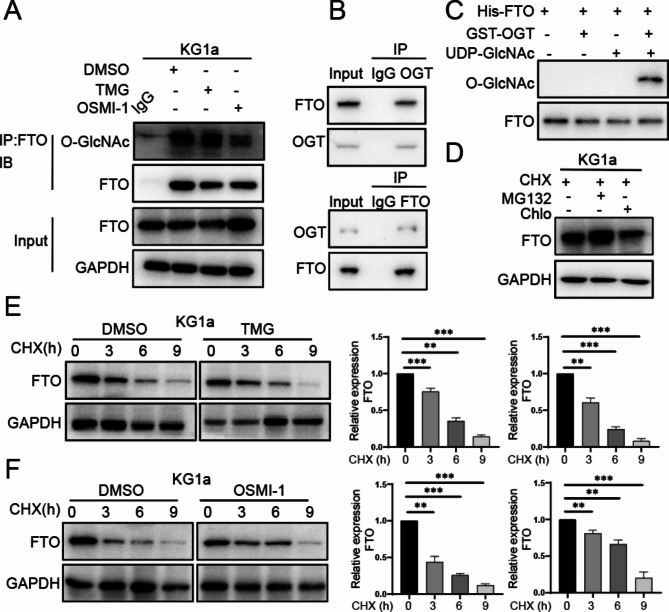
脂肪质量和肥胖相关蛋白(FTO)是第一个被发现的m6A去甲基化酶,它负责消除靶rna中的m6A修饰。虽然许多细胞质和核蛋白都经历了o - glcn酰化,但FTO被o - glcn酰化的可能性及其功能意义尚不清楚。本研究发现,在骨髓增生异常综合征(MDS)和急性髓系白血病(AML)患者中,FTO表达与o - glcnac酰化呈负相关。FTO上o - glcn酰化的减少可导致sry相关高迁移率组盒4 (SOX4)的m6A修饰减少。这导致MDS/AML中细胞凋亡的促进和细胞增殖的抑制。FTO的o - glcn酰化以m6a依赖的方式稳定SOX4转录本,导致AKT和MAPK磷酸化增加,减少细胞凋亡。抑制FTO o - glcn酰化可显著减缓体外AML进展,这一发现得到MDS/AML患者临床数据的支持。总之,我们的研究强调了FTO o - glcn酰化在RNA m6A甲基化和MDS/AML进展中的关键作用,从而为这些可怕的疾病提供了潜在的治疗途径。
O-GlcNAcylated FTO promotes m6A modification of SOX4 to enhance MDS/AML cell proliferation.
Fat mass and obesity-associated protein (FTO) was the first m6A demethylase identified, which is responsible for eliminating m6A modifications in target RNAs. While it is well-established that numerous cytosolic and nuclear proteins undergo O-GlcNAcylation, the possibility of FTO being O-GlcNAcylated and its functional implications remain unclear. This study found that a negative correlation between FTO expression and O-GlcNAcylation in patients with myelodysplastic syndrome (MDS) and acute myeloid leukemia (AML). The decreased O-GlcNAcylation on FTO can result in diminished m6A modification of SRY-related high mobility group box 4 (SOX4). This led to the promotion of cell apoptosis and inhibition of cell proliferation in MDS/AML. The O-GlcNAcylation of FTO stabilized SOX4 transcripts in an m6A-dependent manner, resulting in increased AKT and MAPK phosphorylation and decreased cell apoptosis. Inhibiting FTO O-GlcNAcylation significantly slowed AML progression in vitro, a finding supported by clinical data in MDS/AML patients. In conclusion, our study highlights the crucial role of FTO O-GlcNAcylation in RNA m6A methylation and the progression of MDS/AML, thereby providing a potential therapeutic avenue for these formidable diseases.
期刊介绍:
Cell Communication and Signaling (CCS) is a peer-reviewed, open-access scientific journal that focuses on cellular signaling pathways in both normal and pathological conditions. It publishes original research, reviews, and commentaries, welcoming studies that utilize molecular, morphological, biochemical, structural, and cell biology approaches. CCS also encourages interdisciplinary work and innovative models, including in silico, in vitro, and in vivo approaches, to facilitate investigations of cell signaling pathways, networks, and behavior.
Starting from January 2019, CCS is proud to announce its affiliation with the International Cell Death Society. The journal now encourages submissions covering all aspects of cell death, including apoptotic and non-apoptotic mechanisms, cell death in model systems, autophagy, clearance of dying cells, and the immunological and pathological consequences of dying cells in the tissue microenvironment.






 京公网安备 11010802042870号
京ICP备2023020795号-1
京公网安备 11010802042870号
京ICP备2023020795号-1

 分享
分享
 求助内容:
求助内容: 应助结果提醒方式:
 扫码关注我们
